If you're choosing between tarantula hawk, queen bee, honey bee, and wasp in Grow a Garden right now, tarantula hawk is the strongest all-around pick for cooldown-focused farm efficiency. Bee swarms do not have a fixed duration in every garden, but they usually last for a limited window once they form and move through your area how long do bee swarms last grow a garden. It pollinates every 25 minutes AND stings a random pet every 5 minutes to cut that pet's ability cooldown by 80 seconds. That double-duty passive is what separates it from the rest of the bee-type family, and the community meta consistently backs it up as the go-to cooldown-reduction pet for serious farming setups.
Tarantula Hawk vs Queen Bee in Grow a Garden

Julian Russo
3 Jul 2026
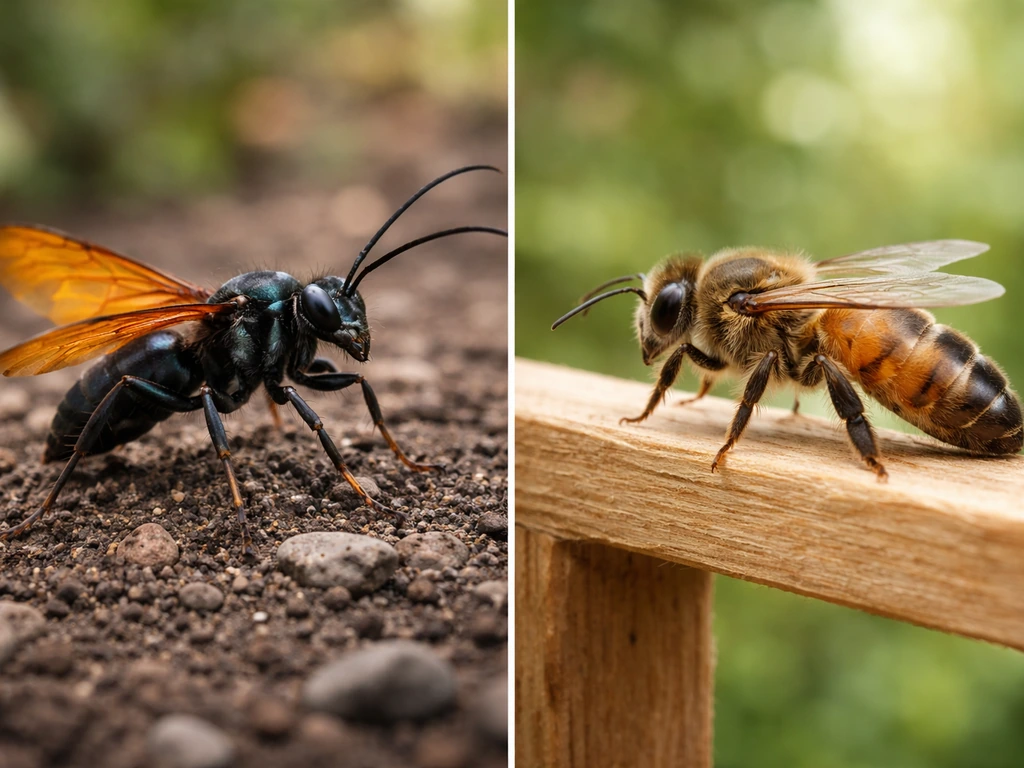
Quick answer: which to pick for your garden goal

Here's the short version before we go deep on the numbers. Each creature has a different strength, so the right pick really does depend on what you're farming for. If you're also deciding between Grow a Garden strategies and a bee swarm simulator approach, your farming target and pacing matter just as much you're farming for.
| Creature | Best For | Skip If |
|---|---|---|
| Tarantula Hawk | Cooldown reduction + pollination combo, late-game efficiency | You're early game and can't access Anti Bee Eggs yet |
| Queen Bee | Reliable pollination + highest-cooldown pet targeting, mid-game utility | You want fast sting cycles and don't care about the 'For the Queen' reset |
| Honey Bee | Fastest raw pollination cadence (every 20 min), budget-friendly from Bee Egg | You need cooldown reduction on top of pollination |
| Wasp | Cheapest Anti Bee Egg pull (55% hatch rate), decent cooldown advance | You want reliable pet ability cycling without risk of disruption |
If you only have one slot to fill and you're past early progression, put tarantula hawk in it. If you're still building your egg stockpile, honey bee from a Bee Egg is a solid bridge pick while you save up for Anti Bee Eggs.
In-game identity check: tarantula hawk vs queen bee vs honey bee
First, let's clear something up because this confuses a lot of players: queen bee and honey bee are not the same creature. They are completely separate pet entities in Grow a Garden, with different cards, different stat pages, and different hatch odds from the Bee Egg. When you crack open a Bee Egg, honey bee comes out 25% of the time, while queen bee only has a 1% hatch rate. That 1% is a big deal and reflects how much stronger queen bee's passive kit is compared to the common honey bee. Tarantula hawk, meanwhile, doesn't come from the Bee Egg at all. It's in the Anti Bee Egg pool, which is a completely different egg category.
- Honey Bee: Rare pet, hatches from Bee Egg at 25% odds, pollination focused
- Queen Bee: Rare/high-value pet, hatches from Bee Egg at 1% odds, pollination + cooldown targeting passive
- Tarantula Hawk: Hatches from Anti Bee Egg at 30% odds, pollination + fast sting cooldown reduction
- Wasp: Hatches from Anti Bee Egg at 55% odds, pollination + slower sting cooldown advance
The bee vs honey bee distinction matters a lot when you're deciding which eggs to farm. If you want queen bee specifically, you're grinding Bee Eggs and hoping to beat 1% odds. If you want tarantula hawk or wasp, you're spending Anti Bee Eggs instead. These two egg pools are separate investments, so knowing which creature you're targeting upfront saves you a lot of wasted hatching.
Tarantula hawk vs queen bee: stats, viability, and breeding fit
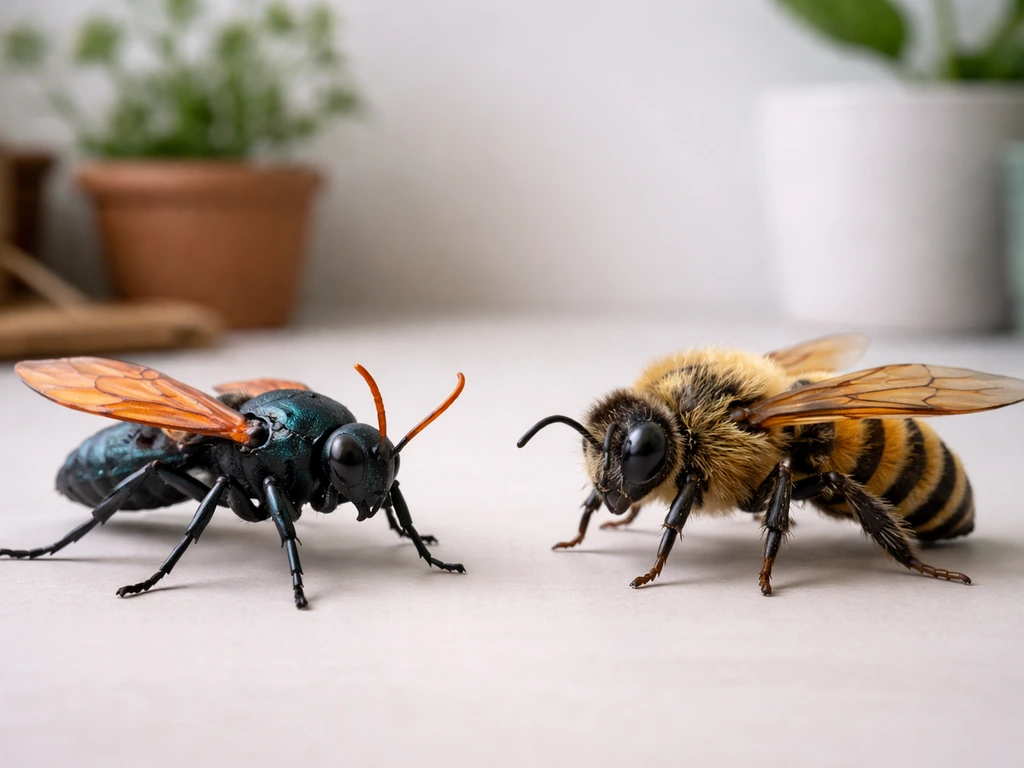
This is the core comparison most players are asking about, and the answer comes down to what you value more: raw cooldown reduction frequency, or intelligent cooldown targeting.
| Mechanic | Tarantula Hawk | Queen Bee |
|---|---|---|
| Pollination cadence | Every 25 minutes | Every 25 minutes |
| Pollination mutation applied | Pollinated | Pollinated |
| Sting/ability reset mechanic | Stings random pet every 5 min, reduces cooldown by 80s | Targets pet with highest cooldown ('For the Queen'), refreshes it |
| Sting frequency | Every 5 minutes | Tied to the Queen passive trigger |
| Egg source | Anti Bee Egg (30% hatch rate) | Bee Egg (1% hatch rate) |
| Accessibility | Moderate (Anti Bee Eggs needed) | Hard (1% from Bee Egg) |
On paper, they both pollinate at the same 25-minute interval, so pollination output is a wash. The real difference is in the sting mechanic. Tarantula hawk blank" rel="noopener noreferrer">fires every 5 minutes and shaves 80 seconds off a random pet's cooldown each time. Over an hour, that's 12 sting events dumping 960 seconds of cooldown reduction into your team. blank" rel="noopener noreferrer">Queen bee's 'For the Queen' passive is smarter because it targets the highest-cooldown pet, but the cadence is slower and the absolute numbers don't beat tarantula hawk's raw throughput. If you are comparing amber vs old amber to decide which pet or material to prioritize, factor in how the updated mechanics change cooldown and efficiency.
For most mid-to-late game setups where you're running multiple high-value pets together, tarantula hawk's aggressive 5-minute cycle will cycle your team faster overall. Queen bee is still a solid pick, especially if you only have one cooldown-reduction slot and want that targeting to go to your biggest-cooldown pet. But if you can get tarantula hawk, it's the stronger choice in almost every scenario. The community meta lines up with this: players consistently list tarantula hawk over queen bee when building cooldown-reduction farm teams.
One practical note on egg acquisition: queen bee at 1% from Bee Eggs is genuinely hard to obtain. If you're also wondering what to feed the queen bee to keep your garden’s support going, check the full guide on what to feed queen bee and how to use it in a grow-a-garden setup. Tarantula hawk at 30% from Anti Bee Eggs is much more farmable. If you're sitting on Anti Bee Eggs, go for tarantula hawk and don't feel like you're settling. It's not the inferior fallback option. It's actually the meta pick.
Tarantula hawk vs honey bee: efficiency and outcomes
Honey bee is actually the fastest pollinator of the bunch at 20 minutes per cycle, which is 5 minutes faster than tarantula hawk's 25-minute cadence. If pure pollination rate is your only metric, honey bee wins. But that's the only category it wins.
| Mechanic | Tarantula Hawk | Honey Bee |
|---|---|---|
| Pollination cadence | Every 25 minutes | Every 20 minutes |
| Cooldown reduction | Yes, 80s every 5 minutes via sting | No |
| Egg source | Anti Bee Egg (30%) | Bee Egg (25%) |
| Farm role | Pollination + cooldown support hybrid | Dedicated pollinator only |
Honey bee is a one-trick pet. It pollinates quickly and that's genuinely useful, especially early on when you're just trying to get Pollinated mutations consistently on your fruits. But once you're at a stage where your other pets' ability cooldowns are the bottleneck on your farm's output, honey bee brings nothing extra to the table. If you want a quick guide on building around bees, see how bee versus honey bee grow a garden affects your pollination and cooldown strategy bee vs honey bee grow a garden. Tarantula hawk's 5-minute sting cycle adds a layer of active team support that honey bee simply doesn't have.
The practical takeaway: use honey bee while you're building up and don't have access to Anti Bee Eggs. It's cheap to hatch at 25% odds from Bee Eggs and does a real job pollinating your crops. Once you can reliably farm Anti Bee Eggs, swap it out for tarantula hawk. You lose 5 minutes of pollination speed but gain a full cooldown-reduction engine that scales much better into harder farm setups.
Tarantula hawk vs wasp: tradeoffs and best use cases
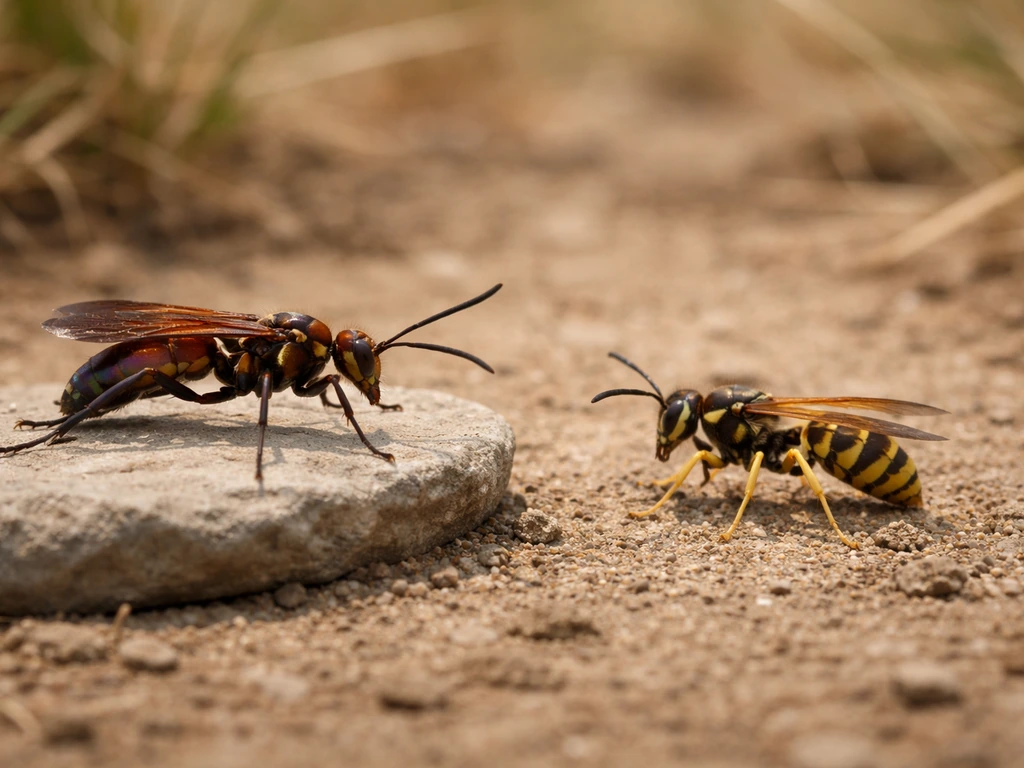
Wasp and tarantula hawk come from the same egg pool (Anti Bee Egg), so players are often choosing between them during the same hatch session. Wasp has a 55% drop rate versus tarantula hawk's 30%, so you'll see wasp a lot more often. But there are real reasons to prefer tarantula hawk.
| Mechanic | Tarantula Hawk | Wasp |
|---|---|---|
| Pollination cadence | Every 25 minutes | Every 30 minutes |
| Sting frequency | Every 5 minutes | Every 10 minutes |
| Cooldown effect per sting | Reduces cooldown by 80 seconds | Advances cooldown by 60 seconds |
| Hatch rate from Anti Bee Egg | 30% | 55% |
| Ability disruption risk | Lower | Higher (community reports of ability interference) |
Tarantula hawk is strictly better than wasp on almost every stat that matters. It pollinates 5 minutes faster, stings twice as often, and gives 20 more seconds of cooldown reduction per sting. Wasp's only advantage is that it's easier to hatch, which makes it a common early find from Anti Bee Eggs. Don't build your farm around wasp just because you got one first. It's a placeholder until you pull tarantula hawk.
There's also a practical gameplay warning worth mentioning: some players report that wasp (and related variants) can interfere with pet ability timing in ways that actually disrupt your farm's cycle rather than help it. The risk appears tied to the sting mechanic interacting poorly with certain ability sequences. Tarantula hawk's faster, higher-value sting is less likely to cause this kind of disruption in optimized setups. If you're running a tightly tuned farm and seeing weird ability gaps, wasp is a likely culprit worth swapping out.
Breeding and farm setup next steps
Here's what to actually do today based on where you are with your egg inventory and farm build.
- Target Anti Bee Eggs to farm tarantula hawk. At 30% hatch odds, you should see one within a reasonable run of eggs. Don't burn Bee Eggs chasing tarantula hawk because it doesn't live in that pool.
- If you're waiting on Anti Bee Eggs, slot a honey bee from your Bee Egg stash as a temporary pollinator. It does real work at 20-minute pollination cycles and costs you almost nothing to hatch at 25% odds.
- Once you have tarantula hawk, put it in an active slot alongside your highest-value ability pets. Its 5-minute sting cycle will consistently cut cooldowns for whatever pet it randomly targets, so the more high-cooldown pets you have alongside it, the better the total throughput.
- Don't double up on wasp and tarantula hawk in the same build. You'll get overlapping sting effects and risk the ability disruption issues the community has flagged. Pick one, and that one should be tarantula hawk.
- If you're chasing queen bee for its smart 'For the Queen' targeting mechanic, be realistic about the 1% Bee Egg hatch rate. Farm Bee Eggs in bulk sessions and treat queen bee as a bonus when it lands, not a primary target you're grinding for over tarantula hawk.
- Level up your tarantula hawk. Community tips specifically call out a 'sub-1-minute effective cycle' tarantula hawk as the benchmark for late-game leveling setups, which means investing pet XP into tarantula hawk pays off at scale.
Choosing based on your stage: progression and optimization tips
Your ideal pick isn't the same at every stage of the game, so here's a realistic breakdown by where you are in your progression.
Early game: get any pollinator on the board
If you're just starting out, honey bee from Bee Eggs is your best accessible pollinator. It's a 25% hatch rate from a common egg type, it applies the Pollinated mutation every 20 minutes, and it covers your pollination needs without requiring any advanced egg pool access. Don't overthink the bee vs wasp choice at this stage. If you're comparing which is better bee or wasp in Grow a Garden, the short answer is to prioritize what egg pool you can access right now and optimize later. Just get something pollinating your crops and move on.
Mid game: transition to Anti Bee Eggs and start building your cooldown team
Once you're regularly opening Anti Bee Eggs, start hunting for tarantula hawk. Wasp will show up constantly at 55% odds, and it's fine as a temporary slot. But track tarantula hawk as your actual target. This is also the stage where queen bee becomes interesting if you've been accumulating Bee Eggs. A queen bee alongside tarantula hawk is a strong combo because the 'For the Queen' targeting fills in the gap between tarantula hawk's random sting cycles by intelligently picking the highest-cooldown pet.
Late game and optimization: tarantula hawk as a core team anchor
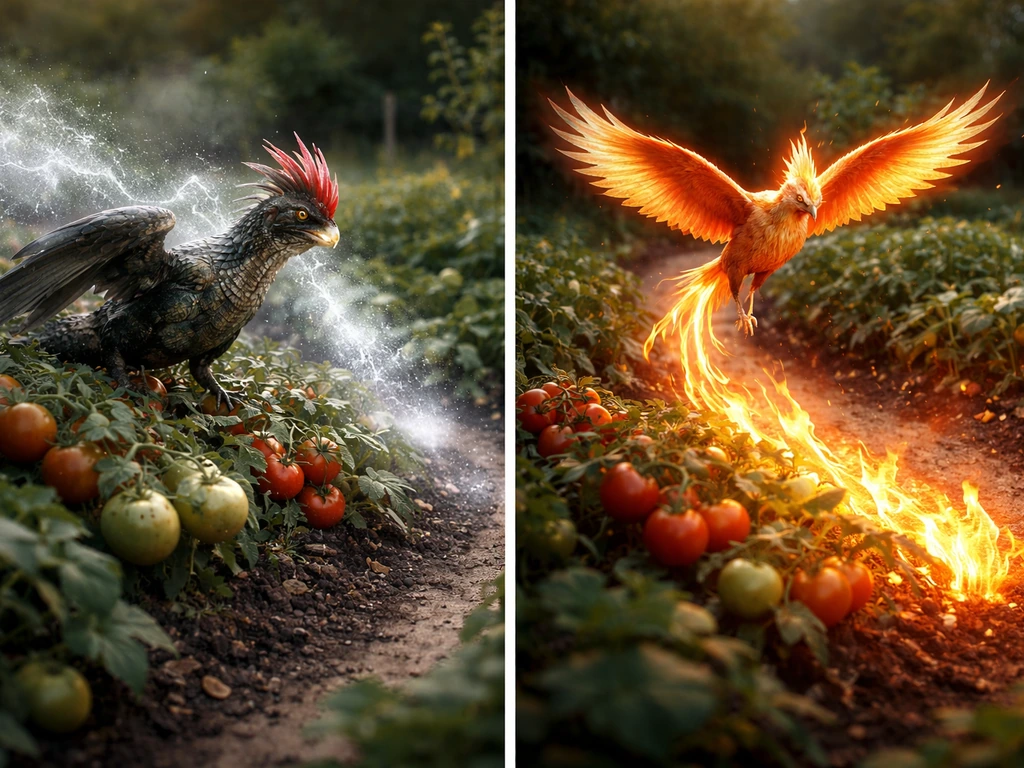
At late game, tarantula hawk is a staple in the community's recommended leveling and efficiency setups. It gets specifically named alongside peacock, meerkat, and ferrets as part of the cooldown-reduction core that makes high-efficiency farms tick. Leveling your tarantula hawk directly reduces its effective sting cooldown, which compounds the benefit over time. If you're also choosing between cockatrice and phoenix for similar garden goals, compare their own cooldown and hatch rates before committing to a long-term build cockatrice vs phoenix grow a garden. If you're at this stage and still running wasp instead of tarantula hawk, that's the single easiest swap to improve your farm's cycle speed. The difference in sting frequency (5 min vs 10 min) and per-sting value (80s vs 60s) adds up to a meaningful gap in daily output across a full farming session.
One final note: the meta in Grow a Garden does shift as the game gets updated and new creatures get added or rebalanced. Tarantula hawk's current edge over queen bee, honey bee, and wasp is based on the passive mechanics as they stand today (July 2026). Keep an eye on any patch notes that adjust pollination timers or sting cooldown values, because that's exactly where creature rankings can flip. For now, though, tarantula hawk is the right answer for most farms.
FAQ
If I already have a queen bee, should I still swap to tarantula hawk once I unlock Anti Bee Eggs?
Yes, in most mid to late builds. Queen bee targets the highest cooldown pet, but tarantula hawk adds more sting events overall (faster cadence and higher per-sting cooldown reduction), so the total cooldown shaved across your whole team is usually higher. Keep queen bee only if you are intentionally running a “smart targeting” setup and you have an extra slot.
How do I decide between “random sting” (tarantula hawk) and “highest-cooldown targeting” (queen bee) if my pets have different ability schedules?
Make a quick check of your team’s cooldown bottleneck. If one pet is consistently the slowest to refresh, queen bee can feel smoother because it repeatedly picks that highest-cooldown target. If your cooldown pain is spread across multiple pets, tarantula hawk’s random stings typically smooth out more gaps because it fires more often and hits the team more times per hour.
Does honey bee’s faster pollination still matter once cooldowns become the main bottleneck?
Usually no. Honey bee helps if your limiting factor is simply reaching pollinated mutation frequency on fruits. Once your farm is gated by pet ability cooldowns (not by pollination), honey bee stops contributing unique value. At that point, tarantula hawk’s sting-driven cooldown reduction tends to increase overall output more than the extra 5 minute pollination speed.
What’s the best way to use tarantula hawk if I can only equip one cooldown-reduction pet?
Equip tarantula hawk first for maximum throughput, then add queen bee only if you later expand to a second slot and want highest-cooldown targeting to further smooth the biggest bottleneck pet. If you stay single-slot, tarantula hawk generally gives the largest net cooldown shave over time.
I’m getting wasp more often than tarantula hawk from Anti Bee Eggs, should I keep wasp long term?
Keep wasp only temporarily. Wasp’s higher drop rate makes it a common early occupant, but tarantula hawk’s sting frequency and cooldown reduction per sting are better in almost every practical comparison. Your best improvement path is swapping wasp out as soon as tarantula hawk hatches.
What if I notice my pet abilities “gap” or desync after I equip wasp, could it be caused by something else?
It could be caused by wasp interacting with ability timing sequences, but also double-check your loadout and ability order. Remove other recently changed pets or items first, then test by swapping wasp off for tarantula hawk, if available. If the timing issue disappears immediately, wasp was the likely trigger.
Does leveling tarantula hawk change how quickly it stings, or only the value of each sting?
Leveling is described as improving its effective sting cooldown, which means you typically get more frequent sting events over time, not just stronger effects. That amplifies the daily benefit because higher event frequency compounds across long farming sessions.
If I’m aiming for queen bee specifically, should I focus on Bee Eggs or also pull from Anti Bee Eggs?
Focus Bee Eggs if queen bee is your primary target, because queen bee hatches from Bee Eggs with the much lower 1% rate. Pull Anti Bee Eggs only if you also want tarantula hawk in parallel, since those are a separate investment pool and mixing goals can slow down your queen bee hunt.
Can I “wait it out” and keep honey bee until my queen bee drops, without hurting late-game efficiency?
You can wait out the queen bee grind, but late-game efficiency will usually be lower than if you switch to tarantula hawk once Anti Bee Eggs are accessible. Honey bee will keep pollinating, but it will not address the cooldown bottleneck the same way, so your farm’s ceiling is often limited until you add a sting-based cooldown reducer.
How should I track whether my farm is actually cooldown-limited versus pollination-limited?
Watch which event happens first in your loop: the next wave of pollination or the moment your key pet abilities come off cooldown. If your fruits are consistently ready before abilities refresh, you are cooldown-limited. If abilities are ready but fruits are not producing new pollination progress, you are pollination-limited, and honey bee can be the right interim choice.
Do patch changes ever flip the ranking between tarantula hawk and queen bee?
Yes. If updates adjust pollination timers, sting cooldowns, or cooldown reduction values, the “best” choice can change. The practical approach is to review patch notes for changes affecting sting cadence and cooldown reduction amounts first, since those directly determine which pet produces more net cooldown shaved per hour.
Next Article
Cockatrice vs Phoenix in Grow a Garden: Breeding Guide
Cockatrice vs Phoenix breeding guide for Grow a Garden: roles, egg hatching, requirements, and best farm efficiency pick