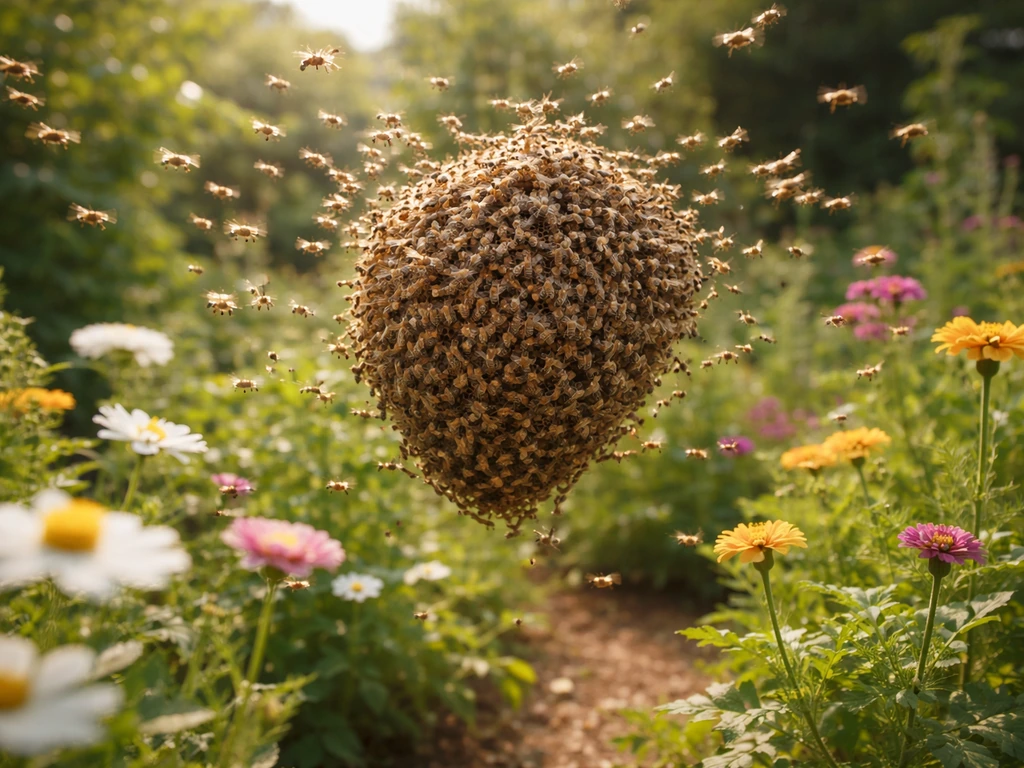
Right now, Phoenix is the better investment for most players. It applies the Flaming mutation to crops, which is one of the rarest and most valuable mutation types in Grow a Garden, and it holds strong Tier A trading value within the Fairy Event pet ecosystem. Cockatrice is not a bad pick at all, but its role is more utility-focused, helping you silver crops and accelerate egg hatching rather than stacking high-value mutations. If you are optimizing for crop value and trading leverage, go Phoenix. If you need a versatile farm tool that speeds up your whole operation, Cockatrice earns its spot too. Here is everything you need to make that call and act on it.
Cockatrice vs Phoenix in Grow a Garden: Breeding Guide

Julian Russo
26 Jun 2026

What Cockatrice and Phoenix actually do on your farm
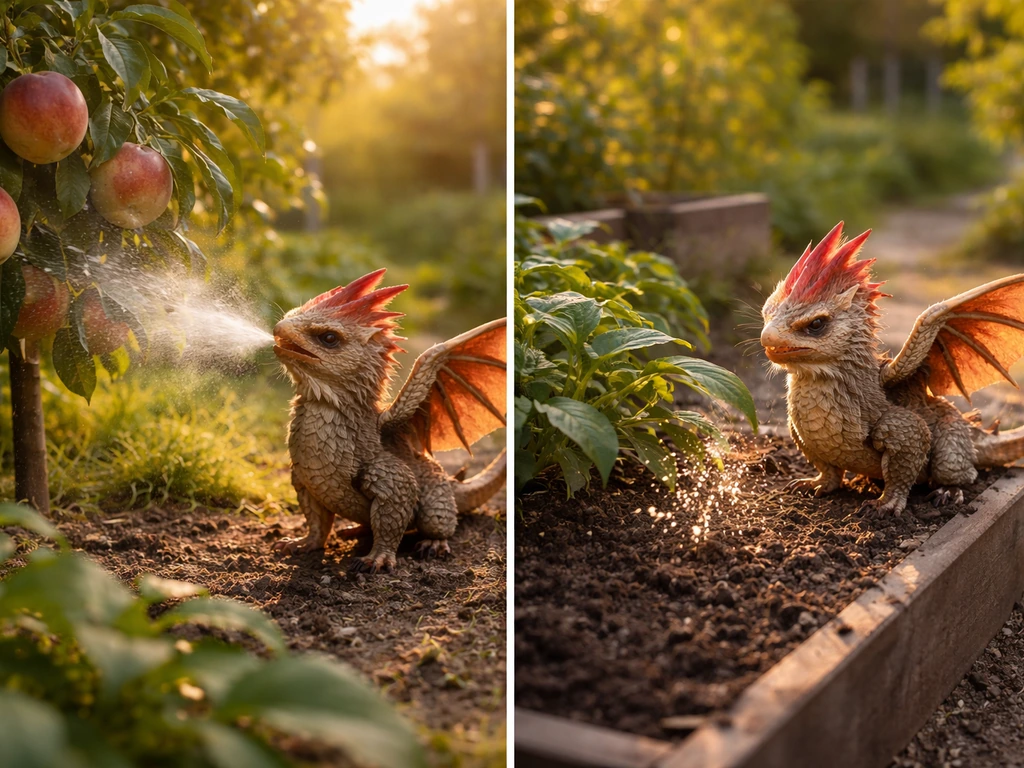
Cockatrice: the utility workhorse
Cockatrice is a multi-tool pet. It runs two active abilities. First, Silver Screech fires roughly every 6:40 to 16:40 minutes and gives nearby fruits a 20 to 40 percent chance to turn Silver and a 1 to 3 percent chance to flip Gold. Second, Venom Spit activates much faster, roughly every 3:00 to 10:25 minutes, and targets 5 to 10 fruits, eggs, or pets at once. The Venom Spit does double duty: it applies the Toxic mutation to crops and, when it hits eggs, it reduces incubation time and grants pet XP. That egg-hatch acceleration effect is genuinely useful if you are running a heavy breeding operation alongside your farm. The combination of Silver mutation production, Gold chance, Toxic mutation spreading, and passive egg-boosting makes Cockatrice one of the most versatile pets in the game. If you are coming from other mobile farming games, it can help to compare how progress works in Grow a Garden versus Bee Swarm Simulator before you commit to a pet strategy grow a garden vs bee swarm simulator.
Phoenix: the rare-mutation specialist
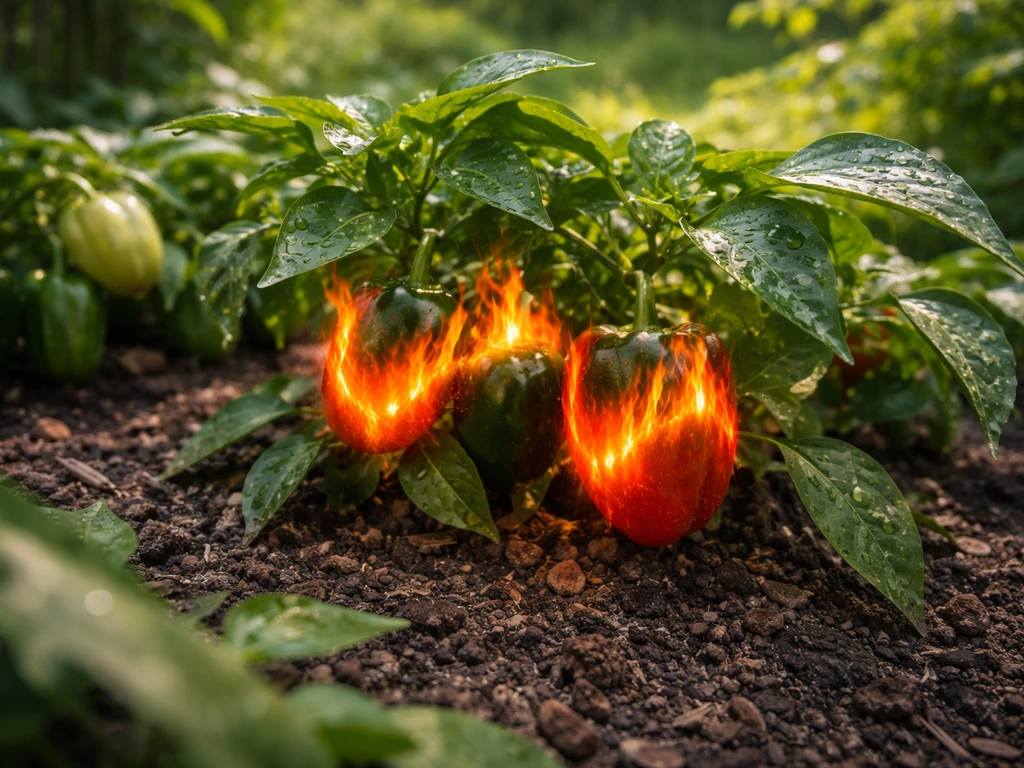
Phoenix does one thing, but it does it in a way almost nothing else can match. Its ability applies the Flaming mutation to crops, with approximately a 20 percent chance on each fruit it touches. Flaming is among the rarest mutation types in the game, and outside of Phoenix, your options for getting it are very limited: Fennec Fox, T-Rex, Spinosaurus, and the Soulflame pet are basically the full list. That scarcity is exactly why Phoenix sits at Tier A. Players who want to produce Flaming crops consistently, either for personal farm value or for trading, treat Phoenix as a core pet rather than a luxury. It does not speed up egg hatching or boost XP, so it is a specialist, not a generalist.
How to get each one: eggs, incubation, and hatching
Both creatures come from the Enchanted Egg, which is the key gating mechanic you need to understand before planning your breeding approach. The Enchanted Egg is a Fairy Event egg, meaning it is tied to event availability rather than something you can grind at any time. This matters a lot for timing your efforts.
Cockatrice from the Enchanted Egg
Cockatrice has a 1 percent hatch rate from the Enchanted Egg. GAGdata’s hatching guide also describes Cockatrice as an egg-hatching booster, since its Venom Spit accelerates incubation Cockatrice has a 1 percent hatch rate from the Enchanted Egg.. That is a low rate, so you need to go in with realistic expectations. The upside is that Cockatrice itself, once you have one, acts as an egg-hatch booster through its Venom Spit ability, which means your first Cockatrice can meaningfully speed up your attempts to hatch more. Stack your Cockatrice near active eggs to get that incubation time reduction working while you farm additional Enchanted Eggs.
Phoenix from the Enchanted Egg
Phoenix is also obtained from the Enchanted Egg as part of the Fairy Event pet pool. The exact hatch rate for Phoenix is not publicly pinned to a single confirmed number the same way Cockatrice's 1 percent figure is, but it is positioned as a rare Fairy Event pet alongside other high-tier drops. Because both creatures share the same egg source, every Enchanted Egg you crack is essentially competing across the full Fairy Event pet pool. Prioritize collecting as many Enchanted Eggs as possible during active event windows rather than trickling through them slowly.
Breeding paths and fastest routes to each creature
There are no complex multi-step breeding chains here the way some other creatures require. Both Cockatrice and Phoenix are direct Enchanted Egg hatches, so your breeding path is really about maximizing Enchanted Egg acquisition and hatch efficiency rather than chaining prerequisites.
- Participate actively in Fairy Event windows: this is the primary gate. Enchanted Eggs are event-locked, so your first priority is always being present and farming during active events.
- Stack egg-boosting pets near your incubation slots: once you have a Cockatrice, deploy it specifically near eggs to reduce incubation time via Venom Spit. Any other egg-acceleration pets you own should also be active during this phase.
- Hatch in bulk: because both targets sit in the rare-or-lower range from the Enchanted Egg pool, volume matters more than single-egg luck. Save up Enchanted Eggs and open them in batches during event periods rather than one at a time.
- Target Phoenix first if crop value is your goal: since Phoenix is the stronger trading asset and harder to replace with alternatives, prioritize it when you have a limited batch of Enchanted Eggs and need to make a call.
- Target Cockatrice second or simultaneously: Cockatrice's egg-hatch acceleration means it actually helps you get Phoenix faster once you have it, creating a useful feedback loop.
Farm efficiency, viability, and who each creature actually fits
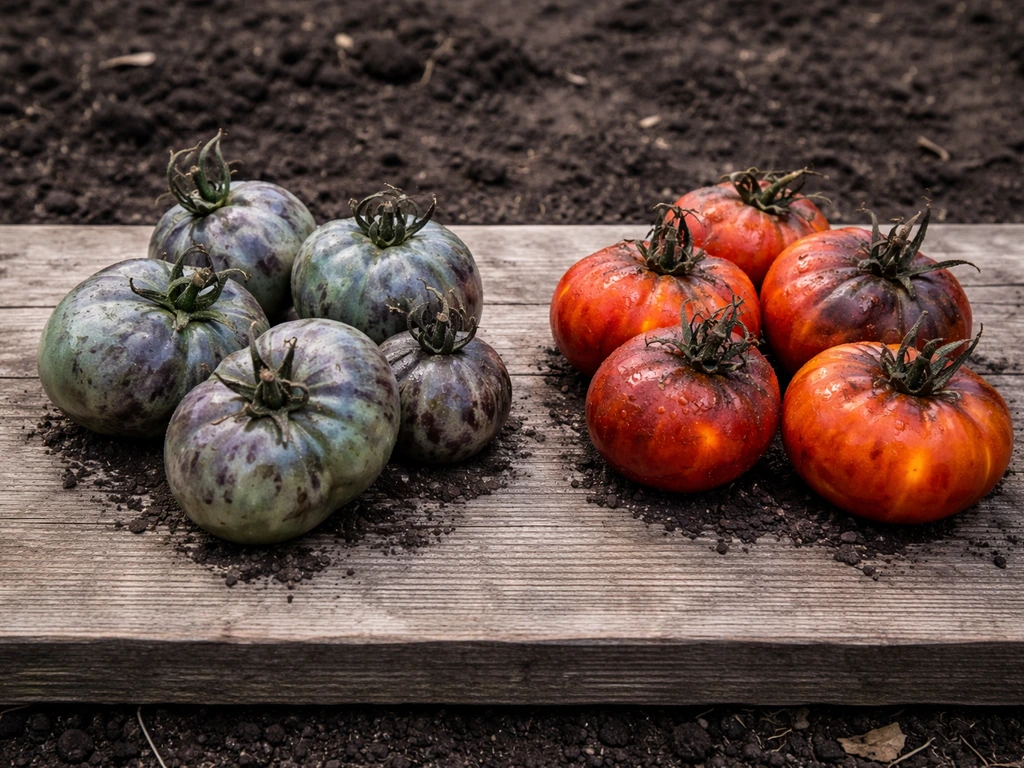
Survivability in Grow a Garden is less about a pet taking damage and more about how consistently it contributes across different farm setups. If you are also working on a garden plan, use a queen bee as a model for steady, targeted feeding to support the colony as it grows. Cockatrice shines in busy, densely planted farms where its multi-target Venom Spit can hit many fruits and eggs at once. The more you have going on simultaneously, the more Cockatrice's ability spread is worth. It is also excellent if you run an active breeding operation alongside your crop farm, since the egg-hatch reduction compounds over time. The Silver Screech ability with its 20 to 40 percent Silver conversion rate adds steady baseline value to your crop output, and even the 1 to 3 percent Gold chance adds up when you are processing large numbers of fruits.
Phoenix is more of a targeted deployment. You place it where you want Flaming mutations to appear, and you let its 20 percent Flaming chance do the work. Because Flaming is rare and commands real trading value, even a moderate number of Flaming crops per session is meaningful. Phoenix is the right fit if your farm is oriented toward producing high-value individual crops for trading rather than volume Silver output. If you want a quick guide for adding bee art to your garden themes, look up how to draw a queen bee in Grow a Garden-style tutorials how to draw queen bee in grow a garden. It is also worth noting that if you already own a Fennec Fox or a Soulflame, Phoenix becomes somewhat redundant for pure Flaming coverage, though it still holds trading value on its own.
Cockatrice vs Phoenix: stats and meta ranking compared
| Category | Cockatrice | Phoenix |
|---|---|---|
| Primary mutation | Silver (20-40%), Toxic (Venom Spit) | Flaming (~20% per affected fruit) |
| Secondary effect | Gold chance (1-3%), egg hatch acceleration, pet XP | None outside Flaming application |
| Ability cooldown (fast) | Venom Spit: ~3:00-10:25 min | Varies; single-role ability |
| Ability cooldown (slow) | Silver Screech: ~6:40-16:40 min | N/A |
| Targets per use | 5-10 (Venom Spit) | Crop-range based |
| Egg incubation boost | Yes, via Venom Spit | No |
| Meta tier | Strong utility / mid-high tier | Tier A (Fairy Event) |
| Source | Enchanted Egg (1% hatch rate confirmed) | Enchanted Egg (Fairy Event pool) |
| Best farm fit | Dense farms, active breeders | Trading-focused, high-value crop farms |
| Replaceability | Partially replaceable for mutations | Very hard to replace for Flaming |
On a pure meta ranking, Phoenix edges ahead because of how scarce Flaming production is and how well it holds trading value. Cockatrice is more flexible and arguably more immediately useful for a broader range of players, but Phoenix has a ceiling that Cockatrice does not reach. Think of it this way: Cockatrice makes your everyday farm run better; Phoenix makes your best crops worth significantly more. If you want a clearer Amber comparison, it helps to understand how Phoenix and Cockatrice differ in mutation value and farm roles when you’re deciding your amber strategy for Grow a Garden Cockatrice makes your everyday farm run better.
When to go Phoenix, when to go Cockatrice, and how to prioritize
Go after Phoenix first if you are focused on trading, building a high-value crop collection, or do not already own another Flaming source like Fennec Fox or Soulflame. Phoenix is the rarer strategic asset, and waiting on it costs you Flaming production you cannot easily substitute. During any active Fairy Event window, Phoenix should be your primary target when opening Enchanted Eggs. If you are weighing tarantula hawk vs queen bee grow a garden, compare how each pick affects your Flaming or utility mutation output and your long-term farming goals Phoenix should be your primary target.
Prioritize Cockatrice first if your main bottleneck right now is egg hatching speed or if you are in the early-to-mid stage of building your pet roster and want more general farm coverage. If you are deciding which is better bee or wasp in Grow a Garden, start by checking whether egg hatching speed or Flaming mutation value matters more to your goals. The egg-hatch acceleration from Venom Spit is a real quality-of-life upgrade that compounds, and the Silver Screech ability gives you consistent mutation output immediately. Cockatrice also feeds into your Phoenix chase: once you have one, it accelerates your Enchanted Egg incubation, which directly improves your odds of landing Phoenix faster.
If you can only open a limited batch of Enchanted Eggs, here is the practical call: open them during event windows, use any egg-boosting pets you already own to speed incubation, and accept that Cockatrice might land first given its confirmed 1 percent rate. If it does, immediately put it to work near your remaining eggs. The ideal endgame is having both on your farm. If you are also growing a garden in real life, you will probably wonder how long bee swarms last before the colony moves on how long do bee swarms last grow a garden. They cover completely different mutation types and do not compete for the same role, so there is no efficiency loss from running both simultaneously.
One last thing worth keeping in mind: the Grow a Garden meta shifts with updates, and Fairy Event availability changes the calculus on both of these pets whenever a new event cycle runs. Check active event schedules before spending resources, and if you see discussions around other comparisons like tarantula hawk vs queen bee or bee vs wasp viability, the same event-gating logic often applies there too. Stay alert to when Enchanted Eggs are actually obtainable and batch your opening sessions around those windows.
FAQ
Which pet should I choose if my main goal is only Flaming crops for trading?
If you only care about Flaming crop generation, Phoenix is the direct choice because Cockatrice applies Flaming indirectly (it does not list Flaming as its mutation output). Cockatrice is better when your priority is improving daily throughput through Silver conversion and spreading Toxic while you also keep egg incubation moving.
How should I plan around Cockatrice’s low 1 percent hatch rate from the Enchanted Egg?
Because Cockatrice has a confirmed 1 percent hatch rate, do not plan your long-term Flaming or high-value mutation target around “one lucky opening.” A more reliable approach is to treat Cockatrice as an acceleration tool you can deploy early, then keep opening Enchanted Eggs during event windows until Phoenix arrives.
Do I need a specific placement order for Cockatrice near eggs and Phoenix near crops?
Do not wait to “finish” your farm layout before placing Cockatrice or Phoenix. Place Cockatrice close to any active eggs you are incubating, since its incubation reduction only matters while eggs are present. For Phoenix, reposition it before you start a fruit processing session so Flaming application happens while you are touching crops.
Is Phoenix still worth chasing if I already have another Flaming source?
If you already own another Flaming source (like Fennec Fox or Soulflame), Phoenix becomes less critical for Flaming coverage, but it may still be worth it for redundancy and trading consistency. Consider Phoenix lower priority if your current bottleneck is egg hatching speed, where Cockatrice’s Venom Spit incubation effect gives more immediate value.
If I cannot open many Enchanted Eggs, is it better to wait for the event or open whenever possible?
Yes, you should still prioritize Enchanted Eggs during Fairy Event windows, even if you have limited batches. The reason is that both pets come from the same egg pool, so spreading openings across non-event time effectively reduces the number of opportunities where Phoenix or Cockatrice can even drop.
What’s the most common mistake when using Cockatrice for farm value?
A common mistake is running Cockatrice for Silver output without also engaging the egg side of its kit. To maximize compound gains, use it where Venom Spit can hit eggs during breeding, then also let its Silver Screech and Gold chance work on fruit batches immediately afterward.
Does Cockatrice become worse if my garden has fewer crops and fewer eggs active at the same time?
If your farm is sparse (few crops and few eggs active at once), Cockatrice loses some of its edge because Venom Spit targets multiple things at once. In that case, Phoenix is often smoother because it is a targeted deployment tool for Flaming application regardless of how dense your farm is.
Are there any breeding chains or prerequisite steps I should plan for when going Cockatrice vs Phoenix?
Both pets are from direct Enchanted Egg hatches, so you typically avoid multi-step breeding prep. The only real decision is operational, not chain-based: decide whether to invest early in egg incubation speed (Cockatrice) or in Flaming value generation (Phoenix) based on what you need first.
How do I decide when to use Phoenix versus Cockatrice during a single play session?
If you are inventory limited, treat Phoenix as your “high-value session” tool and Cockatrice as your “throughput session” tool. Run Phoenix during your high-trade crop pushes, then use Cockatrice for periods where you are also breeding or processing large volumes that benefit from Silver and Toxic spread.
Which pet helps more if I am running a heavy breeding operation at the same time as crop farming?
If you are already deep into breeding, Cockatrice usually accelerates your workflow more than Phoenix because its Venom Spit reduces incubation time when it hits eggs and also grants pet XP via egg hits. Phoenix still matters for Flaming mutation output, but Cockatrice can increase how fast you can cycle toward more Enchanted Eggs and future Phoenix attempts.
Next Article
How Long Do Bee Swarms Last in Grow a Garden
Learn how long bee swarms last in Grow a Garden, estimate remaining time, and fix issues when swarms fail or seem off.