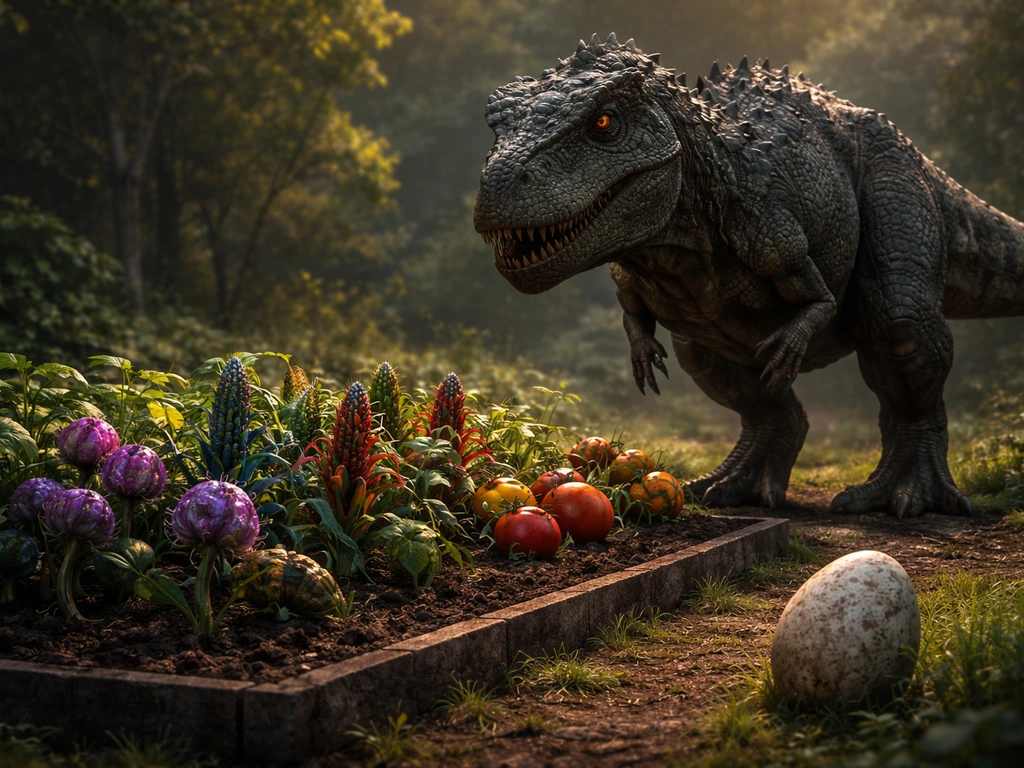
Yes, Raptor is a solid choice in Grow a Garden, but with a clear ceiling. It's the most accessible dinosaur pet by a wide margin, and its two traits give you a passive Amber mutation chance on harvest plus a meaningful movement speed boost.
Is Raptor Good in Grow a Garden? Yes or No Guide

Julian Russo
11 Apr 2026
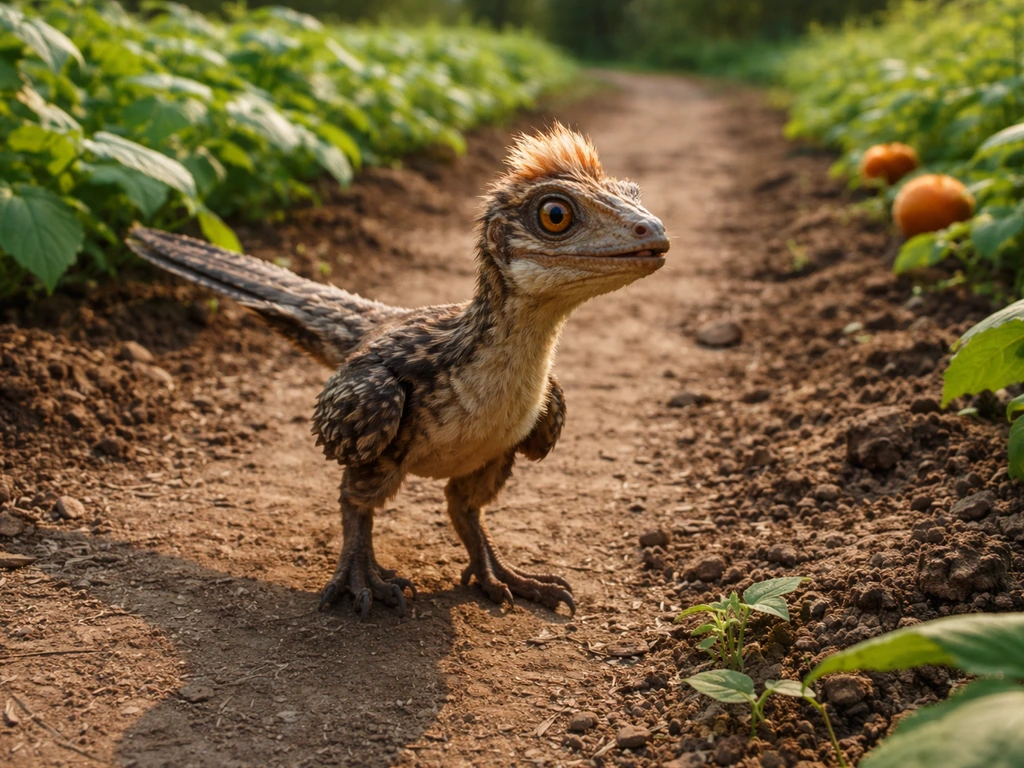
PC Gamer notes two ways to get Amber in Grow a Garden: using Mutation Spray Amber or hatching a Raptor pet whose Clever Claws can grant Amber to fruits after harvesting its two traits give you a passive Amber mutation chance on harvest. It's not the flashiest dinosaur and it won't compete with T-Rex for raw mutation-spreading power, but for most players it's genuinely useful and easy to obtain.
Here's everything you need to know to decide if Raptor belongs in your setup today.
What Raptor actually does in Grow a Garden
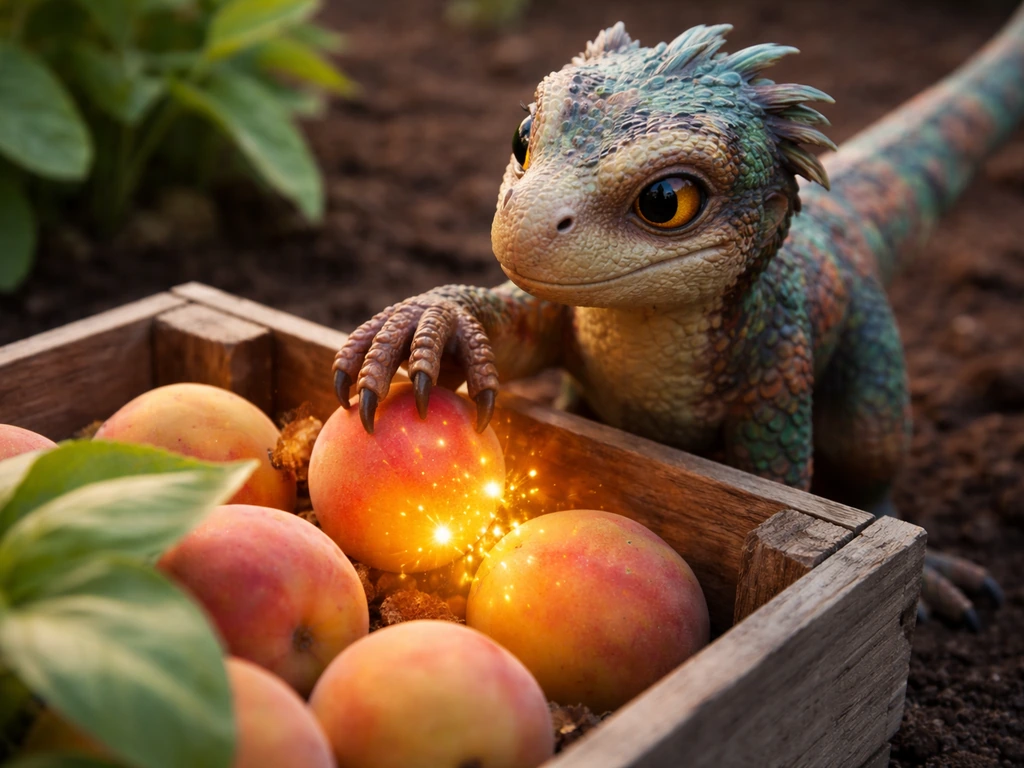
Raptor has two traits: Clever Claws and Raptor Dance. Clever Claws gives every harvested fruit a roughly 2% to 2.5% chance to receive the Amber mutation (with reported numbers ranging from 2.26% to 2.71% depending on your Raptor's level and the source). The wiki is explicit that the chance is lower on rarer plants, so your most valuable crops get a smaller slice of that probability. Raptor Dance is a passive movement speed buff of around 14% to 15% while the Raptor is equipped, which in testing lands at roughly 14.89% to 15.03% depending on level and weight.
Both bonuses scale with pet level, so a higher-level Raptor gives you marginally better Amber odds and a slightly faster sprint. The Hunger stat sits at 40,000, which gives you a reasonable window between feeding sessions compared to more demanding pets. The key limitation to understand upfront: Raptor doesn't spread existing mutations the way T-Rex or Spinosaurus do. It only adds Amber, and only at harvest, via a low-percentage chance. A Grow A Garden mutation guide also notes that Amber can be applied via Mutation Spray Amber and occasionally through the Raptor pet during fruit harvest Mutation Spray Amber and the Raptor pet can both provide Amber. That's the whole kit, nothing more.
Is Raptor actually good? Farm value and where it sits in the meta
For a Legendary pet, Raptor punches at a mid-tier level. The Amber mutation is genuinely useful, especially if you're trying to build toward the Ancient Amber pathway, which requires Amber mutations as a foundation. Getting Amber for free on harvest, even at a 2% to 2.71% clip, adds up over hundreds of harvests without spending any Mutation Spray. That said, a dedicated player who wants consistent Amber output will find the Raptor's feeding and upkeep habits easy to manage precisely because the pet is low-friction.
The movement speed bonus is a genuine quality-of-life upgrade. A 15% speed increase doesn't sound massive, but if you're running a large garden and harvesting frequently, it adds up to real time saved per session. Casual players often underrate this. Hardcore optimizers tend to dismiss it because they're comparing it to mutation-spreading powerhouses, but as a secondary effect on a pet you're already equipping for Clever Claws, it's free value.
The honest critique: Clever Claws is unreliable. A ~2.26% chance per harvest means you'll go many harvests without a single Amber proc. If Amber is your primary goal, the Mutation Spray Amber route is more consistent. Raptor's Amber output is better framed as a passive bonus that occasionally pays off rather than a dependable farming strategy.
How Raptor compares to the other dinosaurs
| Pet | Hatch Chance (Dino Egg) | Primary Ability | Ability Timing | Movement Buff |
|---|---|---|---|---|
| Raptor | 35% | Clever Claws: ~2.71% Amber per harvest | On harvest (per fruit) | ~15% via Raptor Dance |
| Stegosaurus | 28% | Prehistoric Doubling: ~8% chance to duplicate harvested fruit | On harvest (per fruit) | None listed |
| T-Rex | 0.5% | Apex Predator: eats and spreads a random mutation to ~3 nearby fruits | Every ~20 minutes | None listed |
| Spinosaurus | 0.5% | Food Chain: devours mutation from up to 3 fruits, spreads to 1 (favors favorites) | Every ~20 minutes | None listed |
| Brontosaurus | 1% | Not detailed here | Unknown | None listed |
| Pterodactyl | 3% | Not detailed here | Unknown | None listed |
The picture is clear: Raptor is the easiest dinosaur to get and trades raw power for accessibility. T-Rex and Spinosaurus are dramatically rarer (0.5% hatch chance each) and operate on a 20-minute cooldown cycle, spreading existing mutations rather than adding Amber. If you want a deeper look at how those two stack up head-to-head, the T-Rex vs Raptor breakdown for Grow a Garden covers that comparison in full. Stegosaurus sits in between, with a better duplication ability for raw crop volume but no movement buff and no mutation addition.
Breeding efficiency: is Raptor worth hatching for?
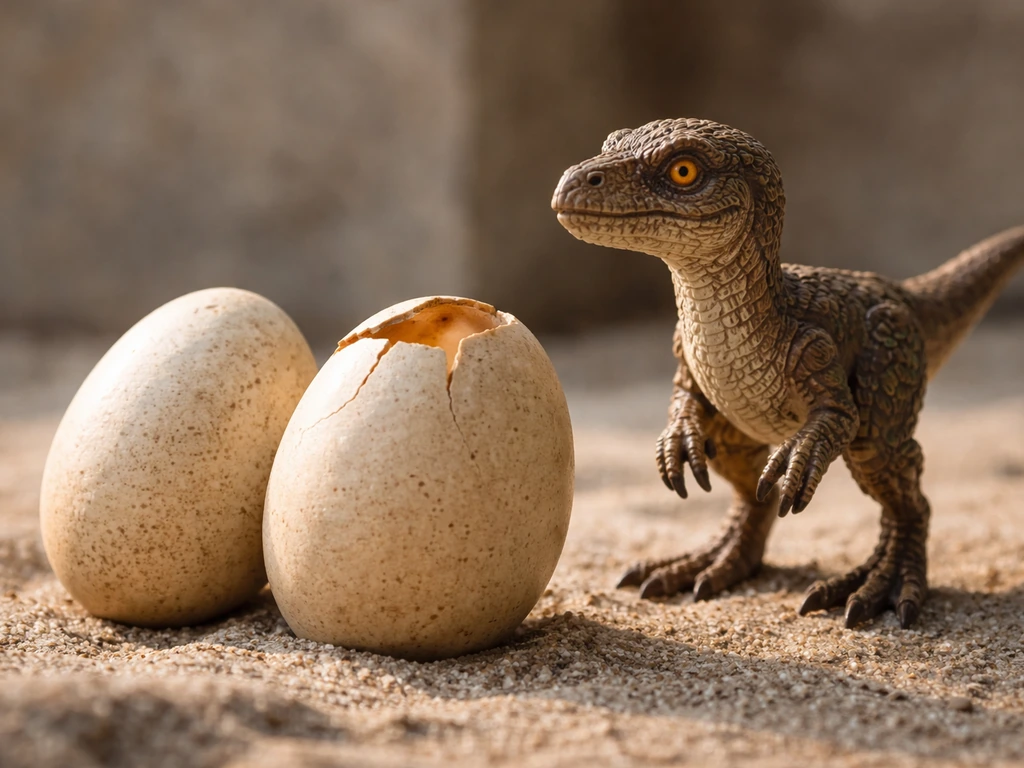
Dinosaur Eggs take 4 hours and 10 minutes to hatch, and there's an accelerated option available at a cost. With a 35% hatch rate, Raptor is the single most likely outcome from any Dinosaur Egg, which means you'll often land one while chasing rarer dinosaurs. Players who run multiple egg loops report getting Raptors frequently, which is both a blessing (easy to get) and a mild frustration (if you wanted a T-Rex, you'll see a lot of Raptors first). The DNA Converter offers another path, processing one Dinosaur Egg per hour, though the exact probability on that route isn't publicly confirmed.
From a pure breeding-efficiency standpoint: if your goal is to obtain a Raptor specifically, your expected investment is low. You're likely to hatch one within the first two or three Dinosaur Eggs. If you're breeding toward a T-Rex or Spinosaurus and getting Raptors along the way, those extra Raptors aren't dead weight. Use them to cover movement-speed utility while you keep hatching, or keep a leveled one as a backup pet. The full egg probability breakdown (Raptor 35%, Triceratops 32.5%, Stegosaurus 28%, Pterodactyl 3%, Brontosaurus 1%, T-Rex 0.5%) makes it obvious that patience is the only real cost to getting a Raptor.
Raptor as a day-to-day pet and companion
As a companion, Raptor is one of the more comfortable pets to maintain. The Hunger value of 40,000 means you're not constantly feeding it, and both of its traits are passive, so there's nothing to manually trigger or time. You equip it, harvest your crops, and the bonuses apply automatically. That makes it genuinely low-effort compared to pets that require timing or garden setup to function. If you've ever run into the kinds of issues players face with the Sugar Glider not working correctly in Grow a Garden, you'll appreciate that Raptor's mechanics are straightforward and rarely bugged.
The movement speed from Raptor Dance is the trait that earns the most goodwill from players actually using it day-to-day. A garden that covers significant ground benefits noticeably from a consistent ~15% speed increase, especially during peak harvests. It's the kind of perk that casual players will feel immediately and optimizers will quietly appreciate even while wishing the Amber proc rate were higher.
Who Raptor is best for: casual players vs. optimizers
Your player stage matters a lot here. Here's a direct breakdown:
- Early-game players: Raptor is an excellent first dinosaur. It's accessible, its traits help immediately (Amber is a premium mutation, and movement speed reduces time spent navigating), and there's no complex setup required.
- Mid-game players building toward Amber content: Raptor's passive Amber proc becomes more valuable once you understand the Ancient Amber crafting pathway. Every free Amber mutation on harvest is one fewer Mutation Spray you need to use.
- Hardcore optimizers focused on mutation spreading: Raptor probably isn't your main pet, but it's a useful secondary. Keep a leveled one for sessions where you're doing mass harvests and want the Amber bonus running passively while your primary mutation-spreader handles the heavier work.
- Players farming common crops at scale: Clever Claws is most effective here. Because the Amber chance drops on rarer plants, volume harvesting of common crops gives you the best expected Amber output per session.
- Players who prioritize QoL over raw power: Raptor Dance alone justifies equipping it for long farming sessions. If you dislike slow movement across a large garden, Raptor solves that without any extra investment.
When to pick Raptor vs. alternatives
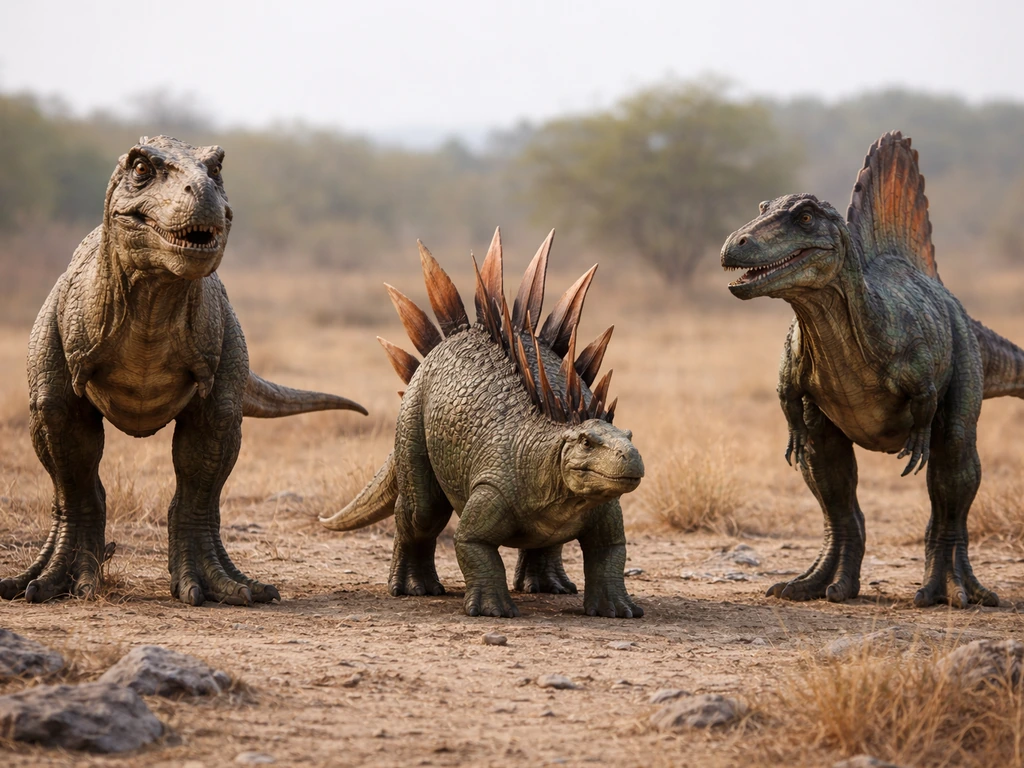
The main alternatives worth comparing directly are T-Rex, Stegosaurus, and Spinosaurus. T-Rex is dramatically rarer and more powerful for mutation spreading, but it requires you to already have existing mutations to spread, and its Apex Predator ability won't target favorited fruit. Understanding exactly how T-Rex interacts with your farm, including whether T-Rex ignores favorited fruits in Grow a Garden, is critical before you invest heavily in chasing one. Spinosaurus has a similar cooldown-based spread mechanic but prioritizes favorited fruits and requires more than four fruits in the garden to avoid wasting its ability.
Stegosaurus gives you duplication (roughly 8% per harvest for common crops, with an extra 5% for prehistoric-type crops via Prehistoric Harvester), which is a completely different value proposition focused on volume rather than mutation quality. If you want to understand how T-Rex performs as an investment before deciding between it and Raptor, the full breakdown of whether T-Rex is good in Grow a Garden is worth reading alongside this one.
Here's when to choose each option:
- Choose Raptor if: you want an easy-to-obtain Legendary dinosaur, you value passive Amber procs on harvest, or you want a movement speed boost without chasing a 0.5% hatch chance.
- Choose T-Rex if: you have existing high-value mutations you want to spread quickly across your garden and you're prepared to invest significant time or resources into a 0.5% hatch. For context on what T-Rex is actually worth in terms of trade or sell value, the T-Rex value guide for Grow a Garden has current numbers.
- Choose Stegosaurus if: your priority is crop volume and duplication rather than mutations, especially for prehistoric-type crops.
- Choose Spinosaurus if: you have a large garden with favorited fruits and want the most targeted mutation-spreading tool available, and you're comfortable with the 0.5% rarity grind.
- Use both Raptor and a mutation-spreader if: you're a mid-to-hardcore player who runs long sessions and wants Amber procs running passively while a T-Rex or Spinosaurus handles the mutation-spreading cycles. The Sugar Glider vs T-Rex comparison in Grow a Garden is a good reference for how to think about stacking complementary pets across different roles.
What to do today if you're considering Raptor
If you don't have a Raptor yet, the fastest path is hatching Dinosaur Eggs. Each egg takes 4 hours and 10 minutes, and with a 35% hatch rate, you should realistically land a Raptor within two to three eggs. Start a hatch now and check back in. If you're already sitting on Dinosaur Eggs and haven't started hatching, there's no reason to wait.
Once you have a Raptor, level it up. Both Clever Claws and Raptor Dance scale with level, so a higher-level Raptor gives you meaningfully better Amber odds and a slightly faster movement boost. Even modest leveling makes a noticeable difference over time. Feed it consistently to keep its stats active, and equip it during any session where you're doing bulk harvesting, especially of common crops where Clever Claws has the highest effective Amber chance.
- Start hatching a Dinosaur Egg today if you don't have one. Budget 4 hours and 10 minutes per hatch.
- Level your Raptor as a priority. Don't leave it at base level and expect strong Clever Claws output.
- Use Raptor for bulk common-crop harvests. The Amber proc rate is higher on common plants, so volume matters.
- Don't rely on Clever Claws alone if Amber is your primary goal. Supplement with Mutation Spray Amber for more consistent results.
- If you want T-Rex eventually, keep hatching Dinosaur Eggs. You'll collect more Raptors on the way, and each one is usable while you wait for the 0.5% hit.
- Check your garden size. If movement feels slow during harvests, equipping Raptor for the Raptor Dance buff alone is a legitimate reason to keep it as your active pet.
Bottom line: Raptor is a good, accessible, and genuinely useful pet in Grow a Garden. It's not the most powerful dinosaur, but it earns its keep through passive Amber generation and consistent movement speed, and it costs you far less grind than the alternatives. For most players, especially those not yet at the point of chasing 0.5% hatch rates, Raptor is the right dinosaur to build around right now.
FAQ
If my main goal is Ancient Amber, should I rely on Raptor for the Amber I need?
Yes, but treat it as a supplementary source. Because Clever Claws only applies on harvest and with a low proc chance, you will still want a more reliable Amber plan (for example, using Mutation Spray Amber) if you need steady progression rather than occasional wins.
Does leveling Raptor make the Amber chance and speed buff good enough to change its overall value?
Level helps, but it will not turn the proc into something consistent. If your Raptor is low level, you can still use it for the movement speed and the occasional Amber procs, but don’t expect frequent Amber harvests until you level it and keep expectations realistic.
Should I equip Raptor while harvesting favorited or rare crops?
Favorited crops can reduce how effective Clever Claws feels, because the Amber chance is lower on rarer plants. Practically, that means Raptor’s best Amber returns often come from your most common harvest targets, where the proc loss is least noticeable.
When is the optimal time to equip Raptor, before planting, during walking around, or right before harvesting?
Use Raptor during your bulk harvesting sessions, not necessarily all the time. Since both traits are passive, you can equip it for the window when you harvest most, then swap to mutation-spread pets when you are trying to trigger their cooldown-based mechanics.
Can Raptor duplicate or spread the mutations I already got on my plants?
It won’t. Raptor adds Amber through procs at harvest, it does not spread mutations you already have on your crops the way T-Rex or Spinosaurus do. If your farm already has mutation progress you want to propagate, Raptor is not the substitute.
Why does it feel like Raptor “never procs” when I only harvest a little at a time?
Because it is only a harvest proc, very short gardening loops can feel “worse” than long sessions. If you harvest only a few fruits between feedings, you’ll wait longer in real time for a proc you can notice, even though the per-harvest chance is the same.
What happens if I forget to feed Raptor between harvest runs?
Plan around the feed cycle, even if it is low effort. If you run your session until your Raptor’s stats lapse, you lose the passive Amber chances and speed for the remainder of that run, so it can help to feed earlier rather than exactly when hunger runs low.
Is Raptor still the best choice later in the game, or do mutation-spreading dinosaurs overtake it?
For pure farming time, Raptor usually wins early because you get fast accessibility and a consistent speed boost. The optimizer tradeoff is that T-Rex or Spinosaurus can spread existing mutations more effectively over long-term planning, so choose based on whether you are still building your mutation base or already spreading it.
If I’m hatching toward a rare dinosaur, will getting many Raptors slow me down or help?
Raptor’s value is mostly independent of your preferred egg route, but your patience cost changes. Since eggs hatch over a fixed 4 hours 10 minutes and Raptors are a common outcome, you will often have a Raptor ready before you finish chasing the rarer 0.5% options, which can be an advantage if you use that time to level and keep it equipped.
Should I choose Raptor or try to chase T-Rex first if I am not sure my farm setup is optimized yet?
If you are choosing between Raptor and T-Rex early, remember that T-Rex needs specific mutation setup to work well and has its own targeting behavior around favorited fruits. If you do not already have the mutation base, Raptor’s “easy to start benefiting” profile can be the safer investment.
Next Article
T-Rex Worth Grow a Garden: Is It Worth It in Game?
T-Rex worth it? See uses, costs, breeding inputs, and value vs other creatures to decide fast.