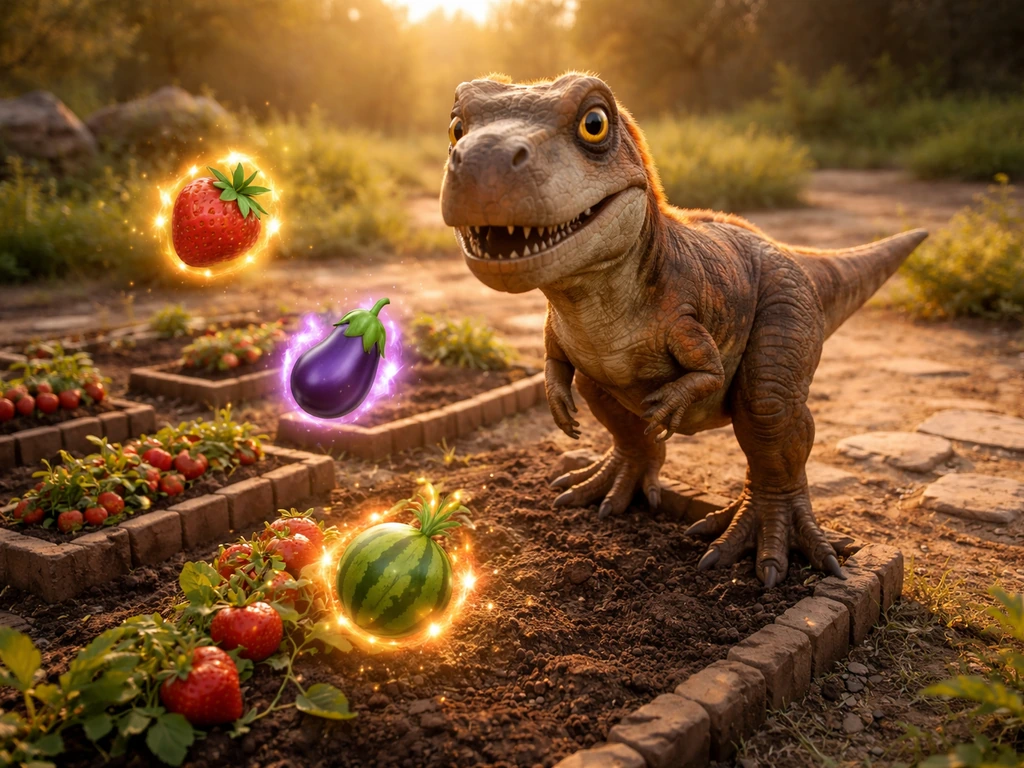
[Raptors in Grow a Garden eat harvested crops and food items](/dinosaur-tier-guide/is-raptor-good-in-grow-a-garden) from your farm inventory. There is no single "raptor-specific" food type locked behind a special mechanic. Like all pets in the game, your Raptor gets fed with whatever crops you have on hand, and keeping that hunger bar filled (it sits at a hefty 40,000 hunger points) is what keeps it growing and its abilities active.
What Raptors Eat in Grow a Garden: What to Feed

Julian Russo
4 May 2026
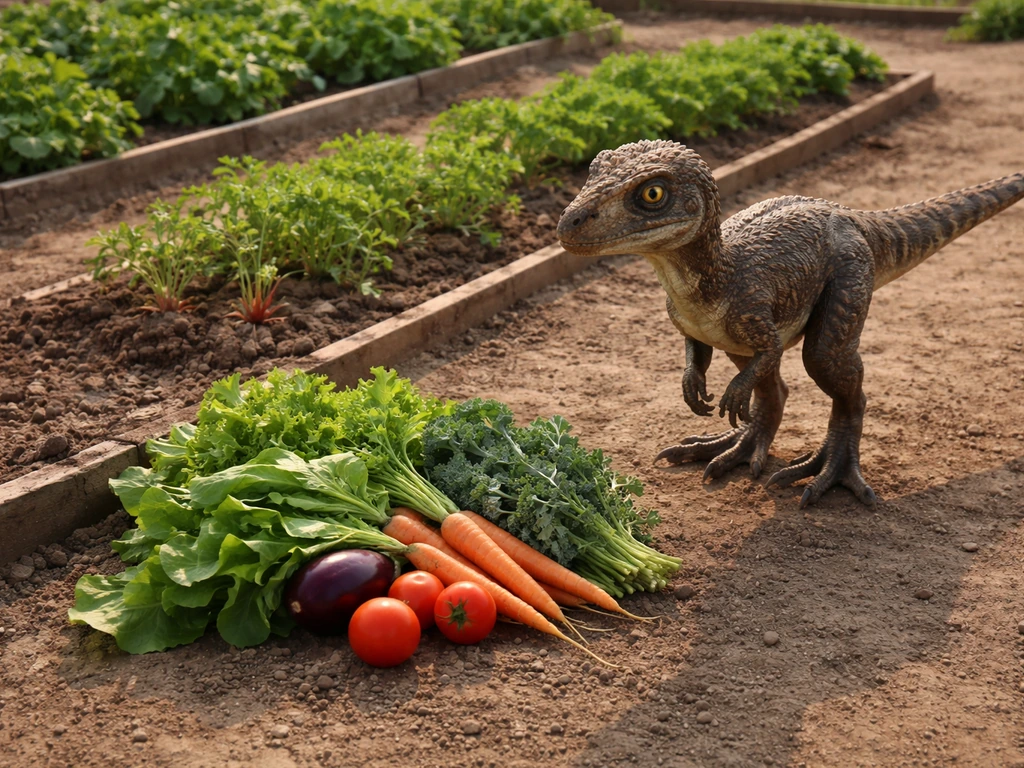
If you're wondering how the Raptor fits into the broader “Grow a Garden” setup, also compare its feeding and growth pace to other dinosaurs like the T-Rex. If you are trying to use Sugar Gliders to garden in Grow a Garden but it is not working, the same hunger-and-feeding rules apply to keep them active and producing sugar glider grow a garden not working.
Raptors' diet basics in Grow a Garden
The Raptor is a Legendary dinosaur pet introduced during the Prehistoric Event, and it runs on the same core feeding system as every other pet in Grow a Garden. Its hunger stat is 40,000, which is on the higher end compared to common pets, so it takes more consistent feeding to keep it happy. When the hunger bar hits zero, the Raptor stops growing and its passive traits, Clever Claws and Raptor Dance, stop working. That's the core reason feeding matters: it's not just cosmetic. A starving Raptor is a dead weight on your farm.
The feeding system in Grow a Garden is intentionally straightforward. Pets consume food from your harvested crop inventory, and the Raptor is no exception. Grow a Garden crops are grown from seeds, and once mature they can be harvested and then added to your player inventory harvested crop inventory. The game doesn't require you to hunt down prehistoric-themed items or special dinosaur feed. What it does require is that you keep a steady crop supply and feed efficiently, especially given how large the Raptor's hunger pool is.
What to feed raptors (exact food items)
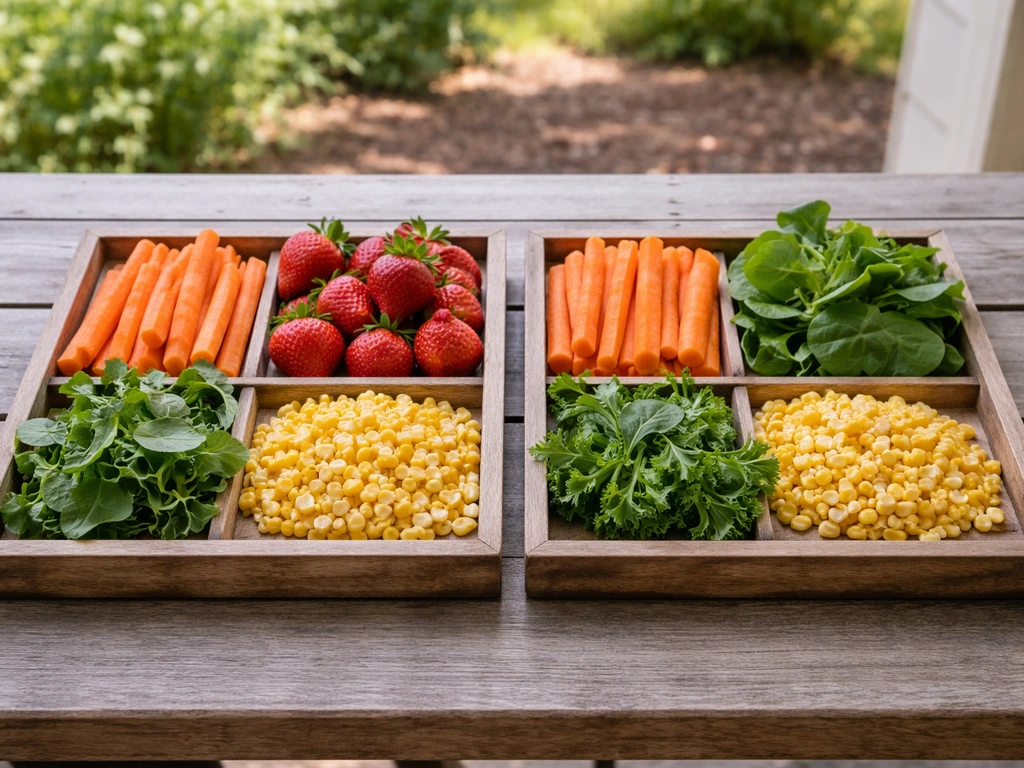
You feed your Raptor using harvested crops from your garden. Any crop you can grow and harvest works as food. That said, not all crops are created equal when it comes to feeding efficiency. Higher-rarity crops generally provide more hunger restoration per feed, which means you burn through fewer items to keep that 40,000 hunger bar topped up. Here's how to think about your food choices:
- Common crops (Carrots, Strawberries, Corn, etc.): Low hunger value per item. Fine to use if you have a massive surplus, but you'll burn through stacks quickly against a 40,000 hunger stat.
- Uncommon and Rare crops: Better hunger restoration per item. These are your reliable day-to-day feed for the Raptor without hemorrhaging inventory.
- Epic and Legendary crops: High hunger value per item, very efficient. Worth using if you're generating them in bulk and don't need them for coins or other purposes.
- Mutated crops: Mutations generally add value (and often hunger restoration) on top of the base crop. If a crop has an Amber mutation from the Raptor's own Clever Claws ability, it may actually be worth selling rather than feeding back, depending on your economy.
The practical takeaway: use your most abundant crop type first. If you're running a high-volume common crop farm, those can absolutely sustain your Raptor. If you're a more optimized player growing rarer crops, use the overflow or lower-quality harvests for feeding and sell the premium stuff.
How to tell what your raptor wants right now
Check the Raptor's info panel in-game. It shows the current hunger bar as a number out of 40,000. There's no complex "mood" system or rotating preference list for raptors. There is also no special rule about ignoring favorited fruits, since the Raptor follows the same crop inventory feeding logic as other pets preference list. If the hunger bar is dropping toward zero, it needs food. If it's above halfway, you have time. The straightforward rule: feed before it hits zero, because once it does, growth pauses and you lose out on leveling progress and mutation opportunities.
Growth stage also matters. Early on, when your Raptor is at a low level, the hunger drains at a slower rate relative to feeding return. As it levels up, keep a closer eye on the bar because higher-level pets tend to drain faster and the stakes are higher (more mutation chance to protect). The Raptor's Amber mutation rate ranges from 2% to 2.5% and scales with level, so a well-fed, higher-level Raptor is giving you better odds on every harvest.
Feeding strategy for faster growth and better efficiency

The goal here is to keep hunger consistently high without wasting premium crops on a pet when you could be earning from them. Here's the strategy that works:
- Set a feeding floor at around 50% hunger (roughly 20,000 out of 40,000). Don't let it drop below this before you feed. Feeding in one large batch when the bar is critically low wastes the "overflow" potential and risks gaps where growth is paused.
- Batch-feed with your lowest-value surplus crops first. Sort your inventory by rarity and use the bottom tier before burning anything valuable.
- Feed after each major harvest session. If you're actively playing and harvesting, top off the Raptor's hunger as part of your end-of-session routine.
- If you're going to be offline for a while, feed the Raptor to as close to full (40,000) as you can before logging off. This gives you the maximum buffer before hunger hits zero.
- Track your crop output versus hunger drain rate. If you're consistently running low on food before your next harvest, consider planting faster-growing common crops specifically as raptor feed to supplement your main crop rotation.
The math is simple but worth internalizing: a Raptor at full hunger with its Clever Claws passive active is applying a 2% to 2.5% Amber mutation chance to your plants. That's passive income from the pet doing its job. Every hour it sits at zero hunger is lost mutation opportunity, so efficiency in feeding has a direct impact on your farm's output.
Avoiding common mistakes with raptor feeding
Most players make the same handful of errors when feeding raptors. Here's what to watch out for:
- Feeding premium crops blindly: Don't dump your highest-value Legendary crops into your Raptor's hunger bar if common or uncommon crops will do the job. That's coins leaving your economy for no extra growth benefit.
- Letting hunger hit zero: This is the biggest mistake. Growth pauses when hunger reaches 0, and you lose all the passive mutation work the Raptor would have been doing. Set a reminder or a feeding routine to prevent this.
- Hoarding food and then panic-feeding: Some players sit on stacks of crops and then dump everything in at once. This works fine mechanically, but it means you had periods of zero hunger in between. Feed steadily rather than in crisis mode.
- Ignoring the Raptor when grinding other mechanics: If you're deep into breeding runs or working on another part of your farm, it's easy to forget the Raptor. Check in on it regularly, especially during longer play sessions.
- Using mutated crops as feed when they're worth selling: A crop with an Amber mutation applied by your Raptor's Clever Claws is worth more as a sale than as pet food. Sell those, and feed with unmutated surplus instead.
Breeding and farm optimization alongside feeding
Feeding your Raptor consistently isn't just about keeping it alive. It directly affects your breeding and farm efficiency. The Clever Claws trait applies the Amber mutation chance to plants as the Raptor works, and that chance scales with the Raptor's level. A Raptor that's always fed grows faster, levels higher, and gives you better mutation odds (up to 2.5% at higher levels). In a farm optimized around the Raptor, that Amber mutation output becomes a meaningful part of your crop value, especially on rarer plant types where a mutation multiplies the sell price significantly.
From a breeding standpoint, a well-fed and leveled Raptor is a more viable breeder. If you're comparing creatures for your farm slots, the Raptor competes with options like the T-Rex, which has its own mechanics around fruit targeting. If you're also considering a T-Rex, its fruit targeting mechanics can change which crops you prioritize for feeding and growth. The Raptor's value comes specifically from its mutation application and the Raptor Dance speed bonus, both of which only function when the pet is active and fed. This makes consistent feeding a prerequisite for evaluating whether the Raptor is pulling its weight on your farm.
For farm layout, consider planting crops the Raptor can interact with frequently during its movement cycles. Since Raptor Dance gives a movement speed boost, a denser planting layout means more crop interactions per unit of time, which means more chances for Clever Claws to apply the Amber mutation. Pair that with a reliable food-crop rotation that keeps your Raptor fed without dipping into your sellable inventory, and you've got a tight, self-sustaining loop. If your sugar glider garden setup is not working, simplify your feeding and rotation until you see steady growth again self-sustaining loop.
| Crop Tier | Feeding Efficiency | Best Use Case |
|---|---|---|
| Common (Carrot, Corn, etc.) | Low hunger per item, requires many | Use when you have a large surplus or a dedicated feed crop rotation |
| Uncommon / Rare | Moderate hunger per item | Reliable everyday feed; balances supply without burning premium stock |
| Epic / Legendary | High hunger per item, very efficient | Use overflow or lower-quality versions; don't feed your best sellables |
| Mutated crops (Amber, etc.) | High value but better sold | Sell these; use the coins to optimize your farm instead of feeding them back |
Bottom line: treat raptor feeding as a core part of your daily farm loop, not an afterthought. Keep the hunger bar above 50%, use your surplus crops smartly, and the Raptor will pay for its food with Amber mutations and speed bonuses. If you're also comparing how different creatures affect farm planning, you can look at sugar glider vs t-rex grow a garden to guide your approach. Let it starve and you're wasting one of the game's Legendary pet slots.
FAQ
What do raptors eat in Grow a Garden, specifically?
Raptors eat the same thing all pets eat in Grow a Garden, harvested crops from your inventory. There is no separate “raptor feed” item or special dinosaur-only food, so your feeding choices come down to which crops you can harvest most reliably.
Do I need to match a specific crop type for the Raptor, or will any harvested crop work?
Any harvested crop you have on hand can be used to feed a Raptor, there is no required crop match. The practical difference is efficiency, higher rarity crops typically restore more hunger per feed, so use abundant crops to keep hunger stable while saving premium harvests for selling or overflow.
How can I tell when to feed my Raptor?
Check the Raptor info panel and watch the hunger number out of 40,000. If it is dropping toward zero, feed immediately, and if it is above about half you usually have time to plan a crop rotation rather than panic-feeding premium harvests.
If I stop feeding for a while, will my Raptor recover later?
Feeding back up can restart growth progression, but the lost time matters because passive traits stop functioning while hunger is at zero. If your goal is consistent Amber mutation output and Raptor Dance uptime, avoid letting it hit zero even briefly.
Which crops are best to keep a Raptor fed with, common or rare?
Both work, but common crops are usually best for day-to-day feeding if you can produce them consistently. Rare crops can be more “energy efficient” per feed, so use them for buffer feeding when your common supply is temporarily low, not as your only food source.
Does feeding a Raptor affect its Amber mutation chance?
Yes, Amber mutation application depends on the Raptor being active, which requires non-zero hunger. A fed Raptor will keep applying mutation chances while it works, and those odds scale with its level, so consistent feeding increases effective mutation uptime.
Will a well-fed Raptor improve breeding, or is it only for mutations?
Breeding viability improves because a fed, leveled Raptor continues performing its active functions. If the Raptor is starving, growth pauses and you lose momentum toward higher levels, which indirectly reduces how competitive it is as a breeder compared with other farm options.
Do Raptors have a preferred food list or will they ignore certain crops?
Raptors follow the same general crop-inventory feeding logic as other pets, there is no special preference requirement for them. That means you should not expect them to consistently prioritize one fruit or ignore another, you mainly manage which crops you keep available.
How should I place crops for a better feeding loop with a Raptor?
Use a denser planting layout so the Raptor can interact with crops more frequently during its movement cycles. Since Raptor Dance boosts movement speed, tighter crop spacing typically increases the number of crop interactions, which supports more consistent Clever Claws (Amber) uptime.
What is the most common feeding mistake with Raptors?
Letting hunger hit zero. Players often focus on feeding only at obvious low points, but the real cost is lost passive trait uptime and growth pause, which reduces both mutation output and overall farm value from the Legendary slot.
Next Article
Is T-Rex Good in Grow a Garden? Worth It or Not
Is T-Rex a good pet in Grow a Garden? Real value, best use, comparison, and when to avoid it.