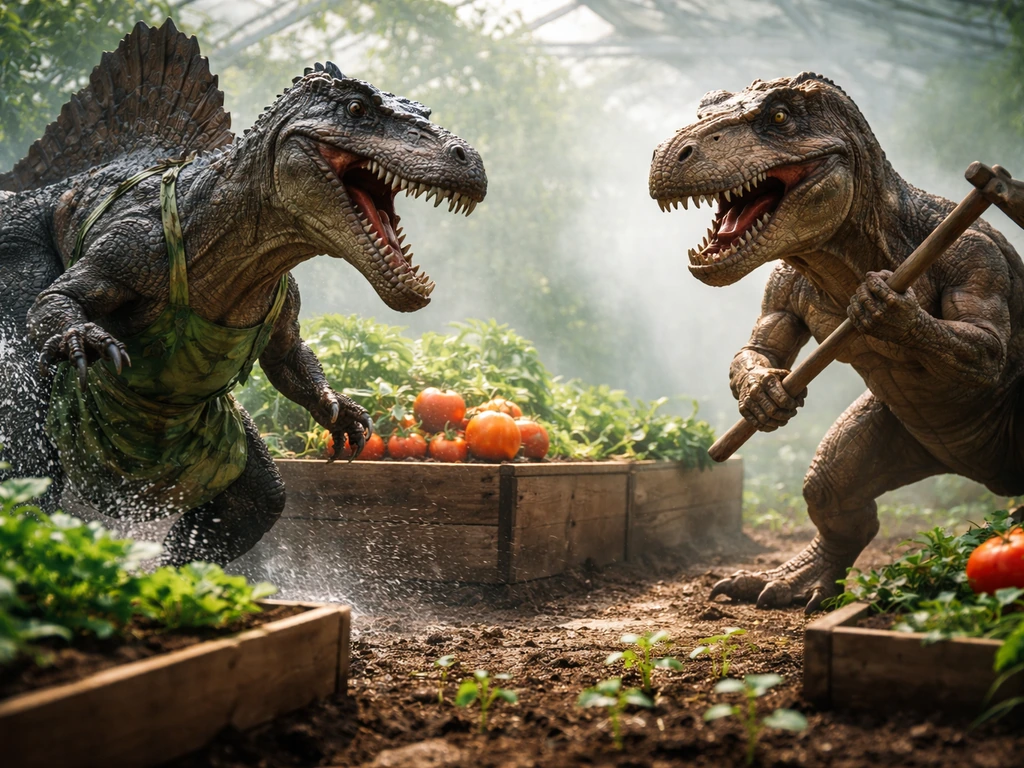
Spinosaurus cannot transfer or spread the Rainbow mutation in Grow a Garden. Rainbow is classified as a variant, not a standard mutation, and Spinosaurus's Food Chain ability only works on regular mutations. No matter how many times you run the cycle, if you're expecting Spinosaurus to devour a Rainbow and spit it onto another crop, it won't happen. That's the short, definitive answer based on community testing and wiki documentation as of July 2026.
Can Spinosaurus Transfer Rainbow in Grow a Garden?

Julian Russo
5 Jul 2026
What 'Rainbow Mutation' Actually Is in Grow a Garden
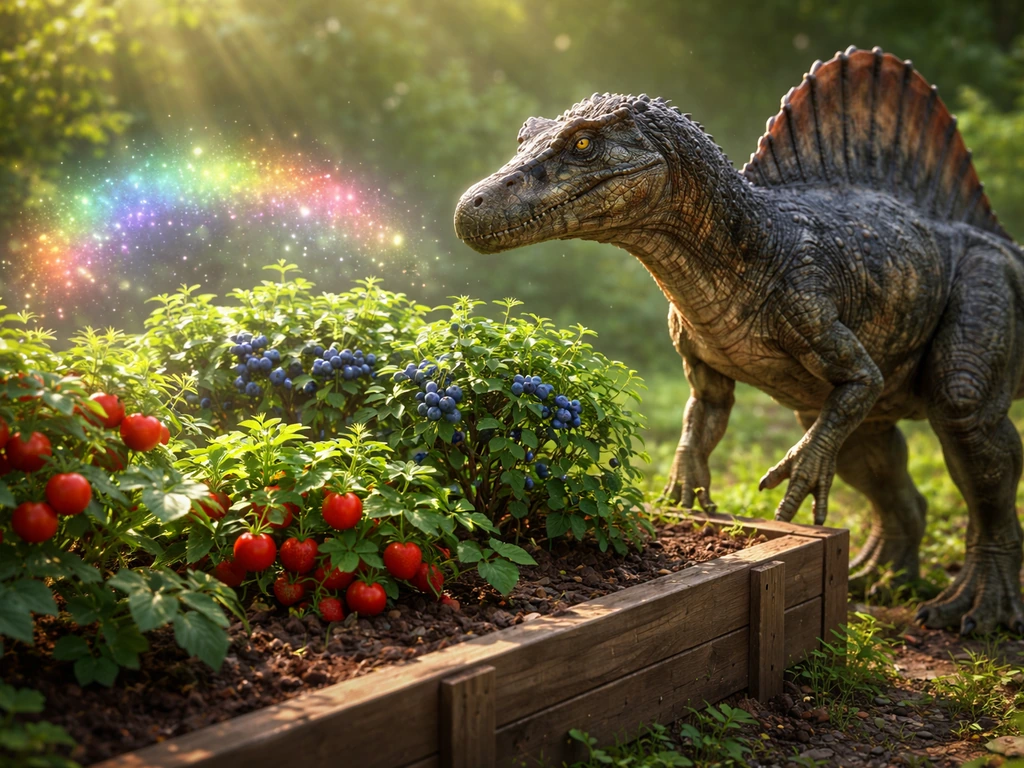
Rainbow in Grow a Garden makes a plant continuously cycle through colors and emit yellow particles, with a rainbow visual effect appearing above it. It looks incredible, which is a big part of why players chase it so hard. But here's the thing that trips people up: Rainbow is technically a variant, not a mutation. The in-game categorization matters more than the name suggests.
Standard mutations (like Wet, Chilled, Chocolate, etc.) are the effects that Spinosaurus can interact with through its Food Chain ability. Variants like Rainbow and Gold sit in a different bucket entirely. They have their own low natural growth rates (community guides put Rainbow at roughly 0.1% chance to appear on a crop), and they don't respond to the same transfer and spread mechanics that regular mutations do. When players call Rainbow a 'mutation,' they're using the word loosely, and that loose usage leads directly to the confusion about whether Spinosaurus can spread it.
How Spinosaurus Transfer vs. Spread Actually Works
Spinosaurus has one core ability called Food Chain. Roughly every 20 minutes, it devours a random mutation from up to three different fruits in your garden, then roars and applies that mutation to one other random fruit. So the loop is: eat a mutation from Fruit A, apply it to Fruit B. That's both the 'transfer' and the 'spread' mechanic in one ability. There's no separate mode where it transfers a mutation to eggs or other creatures; it strictly works on grown fruits sitting in your garden.
The key word throughout all of this is 'mutation.' Spinosaurus's ability targets eligible mutations on fruits. Rainbow, being a variant, doesn't register as an eligible target for Food Chain. The Spinosaurus will still cycle through its cooldown, it will still animate and devour other mutations if they're available, but it will completely skip Rainbow. Community testing has confirmed the same limitation applies to Gold. If you're comparing this to T-Rex's ability, that pet has the same restriction: Gold and Rainbow variants are off-limits for both.
Setting Up Your Garden to Test Mutation Transfer
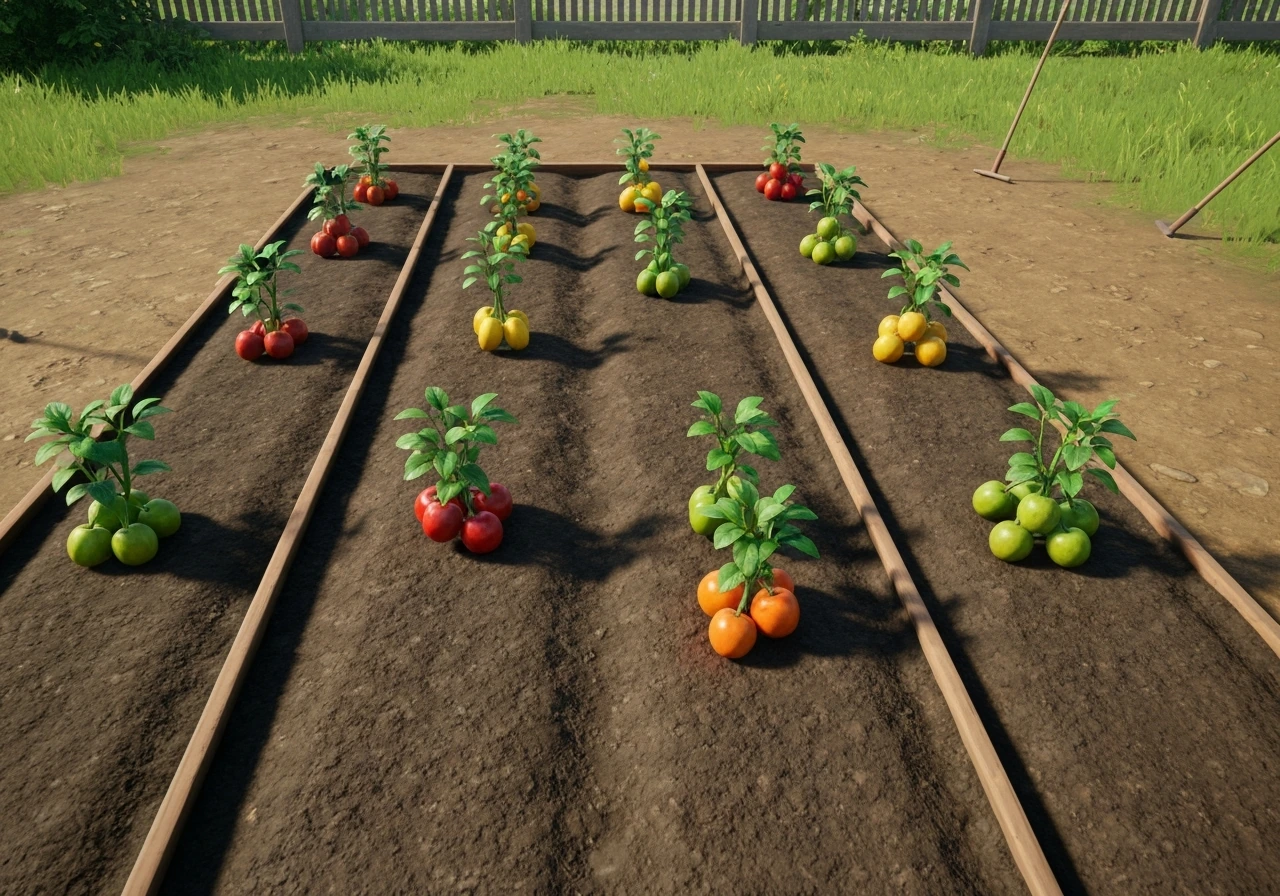
Even though Rainbow specifically won't transfer, it's worth understanding the correct setup for Spinosaurus mutation work so you can verify the mechanic yourself and use it effectively for other mutations. Here's what a proper test garden looks like:
- Have at least five fruits grown and present in your garden. Spinosaurus requires more than four fruits to complete its spit cycle. If you have four or fewer, it may eat a mutation but fail to apply it anywhere.
- Make sure at least one fruit carries a regular transferable mutation (Wet, Chilled, Moonlit, etc.), not just a variant. This gives Spinosaurus something valid to devour.
- Place your Spinosaurus in the garden and wait for the full 20-minute cooldown. Don't harvest between cycles if you want to observe the full behavior.
- Keep one fruit with Rainbow present in the garden so you can confirm whether Rainbow is ever selected as a source or target.
- After each Spinosaurus cycle, check the mutation/variant icons on every fruit. Screenshot before and after if you want clean records.
The purpose of including a Rainbow fruit in the garden is to watch whether Spinosaurus ever interacts with it as a source. In controlled tests, Spinosaurus ignores Rainbow-variant fruits when selecting what to devour. It will pick up a Wet or Chilled mutation sitting on a different fruit instead.
Step-by-Step Test: Proving Whether Spinosaurus Can Spread Rainbow
- Grow at least five crops. Label or note which ones have which mutations or variants before you start.
- Make sure one crop carries the Rainbow variant naturally (or use one you already have).
- Equip at least one other crop with a normal transferable mutation so Spinosaurus has a valid target to eat. This is your control mutation.
- Place your Spinosaurus and wait a full 20-minute cycle without harvesting anything.
- After the roar animation plays, check every fruit's mutation and variant status. The control mutation should have moved or spread to a new fruit. The Rainbow variant should be unchanged and untouched.
- Repeat two more cycles. If Rainbow has not moved or been copied after three full Spinosaurus cycles, you've confirmed the variant limitation firsthand.
- To make the test bulletproof, also check whether Spinosaurus ever eats from the Rainbow fruit as a source. If your control mutations are moving but Rainbow stays locked to its original fruit, that's your answer.
One caution worth flagging: there are reported edge cases where Spinosaurus appears to animate near a fruit but the mutation state doesn't change as expected afterward. This can look like a bug or a failed transfer. Always verify by checking the actual mutation icon on each fruit, not just the animation. A Reddit thread from the community flags this exact issue, so don't trust the roar animation alone as confirmation.
Why Transfers Fail: Common Blockers to Know
Beyond the Rainbow variant limitation, there are several other conditions that can block Spinosaurus from working at all. If you're troubleshooting a Spinosaurus that seems completely stuck, run through this list:
- Too few fruits in the garden: Spinosaurus needs more than four fruits present to complete its ability. It may eat a mutation but refuse to apply it if there aren't enough eligible target fruits.
- No valid mutation sources: If every fruit in your garden carries only variants (Rainbow, Gold) and no standard mutations, Spinosaurus has nothing to devour and the ability effectively idles.
- All fruits already have the mutation: If every fruit in the garden already carries the mutation Spinosaurus is trying to spread, the game blocks the application with an eligibility check. You'll sometimes see a 'No plants have attained [Mutation]!' style message.
- Random targeting working against you: Spinosaurus picks source and target fruits randomly. Even with a valid mutation present, it might keep targeting fruits that don't result in visible changes for several cycles.
- Harvesting mid-cycle: Clearing your garden between Spinosaurus cycles can reset eligibility or leave too few fruits for the ability to complete. Wait until after the roar to harvest.
- Bug states: Community reports confirm some instances where Spinosaurus consumes a mutation but the application doesn't register correctly. If you suspect this, try leaving the garden and re-entering, or check if a recent patch addressed Spinosaurus behavior.
Getting Rainbow the Right Way
Since Spinosaurus won't give you Rainbow, it's worth knowing what actually does produce it. If you are wondering whether the garden setup is worth it, check how to plan for an Ankylosaurus strategy and why it can be more efficient ankylosaurus worth grow a garden. Rainbow appears naturally at roughly a 0.1% growth rate on crops, meaning it replaces a normal variant when a plant grows. The main levers players use to improve odds are mutation-boosting items, specific fertilizers, and garden setups that maximize the number of crop growth events per session. More growth cycles mean more rolls at that 0.1% rate. Stacking any available mutation chance multipliers before planting is the most practical path to a Rainbow crop.
If you're comparing Spinosaurus to other dinosaur pets for mutation work, the T-Rex has the same Gold and Rainbow variant restriction, so switching pets won't solve this specific problem. Spinosaurus genuinely shines for spreading regular high-value mutations across your garden efficiently. For pure Rainbow hunting, the pet slot is better used on something that boosts growth rates or crop yield, since that directly increases your natural Rainbow rolls.
Optimization Tips for Mutation Work with Spinosaurus
Even though Rainbow is off the table, Spinosaurus is still one of the stronger mutation-spreading pets in the game for everything else. Here's how to get the most out of it: If you're also curious about how to optimize your garden layout for mutation-spreading pets, see the optimization tips section in spinosaurus bug grow a garden.
- Keep 7 to 10 fruits in the garden during Spinosaurus cycles. More fruits means more valid targets for the spread and less chance the ability idles due to fruit count limits.
- Seed your garden with one or two fruits that carry the mutation you want to spread. Spinosaurus will pull from those and eventually apply the mutation across other crops.
- Don't mix too many different mutations in the garden at once. The random selection means Spinosaurus might eat and spread a low-value mutation instead of the one you're farming. Keep the mutation pool focused.
- Plan harvests around the 20-minute cooldown. Harvest a batch right after Spinosaurus completes a cycle, then replant quickly so fruit count stays above the four-fruit threshold for the next cycle.
- Track which mutations are actually moving by checking before and after each cycle. This sounds tedious but it helps you catch bug states early and confirms when the setup is working correctly.
- If Spinosaurus seems to be avoiding a specific crop repeatedly, that fruit may have a condition or placement that makes it ineligible as a target. Try replacing it with a freshly grown crop of the same type.
For players deep into optimizing their farms, Spinosaurus pairs well with setups that already have one or two rare mutations established. Use it as a multiplier for mutations you already have rather than a tool for generating new ones like Rainbow. If you're weighing whether Spinosaurus is worth the investment for your garden overall, or how it stacks up against the T-Rex for mutation spreading, those are worth looking into as separate questions because the ability overlap between those two pets is significant enough to affect which one you prioritize. For a quick reality check on whether Spinosaurus is worth growing a garden for mutation spreading, focus on its ability to target regular mutations rather than variants like Rainbow spinosaurus worth grow a garden.
Where to Go From Here
If your goal was specifically to use Spinosaurus to spread Rainbow, redirect that energy toward natural Rainbow farming: maximize growth cycles, stack mutation chance buffs, and be patient with the 0. If you want to understand the other side of the equation, you can also learn how Pterodactyl farming strategies help players build the kind of garden that produces rare variants faster. 1% rate. If your goal is to use Spinosaurus effectively for other mutations, the setup and optimization advice above applies directly. Run the test outlined in this guide at least three cycles and verify results by checking mutation icons, not animations, and you'll have a clear, confirmed picture of exactly what your Spinosaurus can and can't do in your specific garden state.
FAQ
If Rainbow is in my garden, can Spinosaurus still spread it by applying mutations to nearby crops as they grow?
No. Spinosaurus’s Food Chain applies a mutation from one grown fruit to another grown fruit, it does not affect eggs, seedlings, or newly planted stages. So even if a Rainbow plant exists in the garden, it will not be “seeded” into future growth via Food Chain.
How do I confirm whether Spinosaurus actually transferred a mutation when the game animations look convincing?
If a plant visually cycles colors but the mutation icon does not change after the roar, treat it as a non-transfer. The reliable check is the mutation icon state on the fruit after each Food Chain event, not the animation, since there are known cases where the animation can appear misleading even when the underlying mutation state stays the same.
If I keep waiting through multiple Food Chain cooldowns, will Rainbow eventually become transferable?
Running more cycles will not eventually make Rainbow eligible for Food Chain. Food Chain consistently skips Rainbow and other variants, so extra cooldowns only increase transfers of eligible standard mutations, not a transition from skipped Rainbow to transferred Rainbow.
What’s the simplest practical test garden setup to verify spinosaurus transfer behavior in my own farm?
Food Chain chooses among mutations it considers valid targets, so your best approach is to test with two standard mutations you know are present, like Wet and Chilled, and a Rainbow plant. If Spinosaurus transfers between the standard-mutated fruits but never changes any Rainbow fruit’s mutation state, that confirms your garden has the expected restriction.
What should I check if Spinosaurus seems active but no useful transfers are happening?
Yes, you can waste time if your garden lacks eligible standard mutations. If there are no standard mutations sitting on grown fruits at the time of a Food Chain event, Spinosaurus may appear to do something but you will not see meaningful mutation redistribution. Ensure at least one standard mutation is already present on a fruit before running your verification cycles.
Can switching to T-Rex (or another pet) allow Rainbow to be transferred?
No pet swap will fix this specific issue. T-Rex has the same restriction against Rainbow and Gold variants, so changing from Spinosaurus to T-Rex will not make Rainbow transferable, you’d need to change the strategy (focus on natural Rainbow rolls or standard mutations).
If Spinosaurus cannot transfer Rainbow, what’s the most efficient way to farm Rainbow anyway?
Rainbow is a low natural variant appearance (about 0.1% on crops), and it typically replaces a normal variant during growth. That means the most effective plan for Rainbow is increasing the number of crop growth events and stacking mutation chance boosts before planting, rather than trying to force it through Food Chain transfers.
Next Article
Spinosaurus vs T Rex in Grow A Garden: Which Is Better?
Spinosaurus vs T-Rex in Grow A Garden: choose the stronger gardener, best stats, breeding tips, and payout results.