Yes, Spinosaurus is worth it, but only if your garden is big enough and you know what you're getting into. It's a Divine-tier pet with a genuinely powerful passive ability, and for mid-to-late game players who have the farm space to support it, Spinosaurus can be one of the best mutation-spreading tools in the game. For early players or anyone running a small garden, though, it's a hard pass right now. Here's everything you need to decide whether to chase it.
Spinosaurus Worth Growing in Grow A Garden? Guide

Julian Russo
8 Apr 2026
What Spinosaurus actually does in your garden
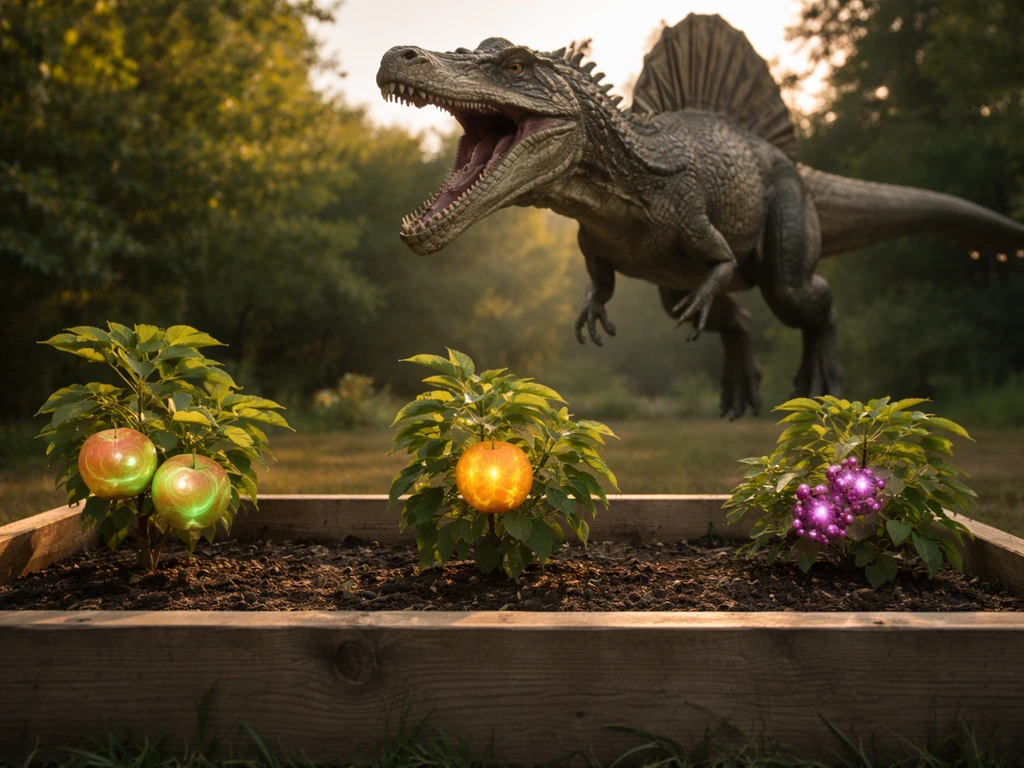
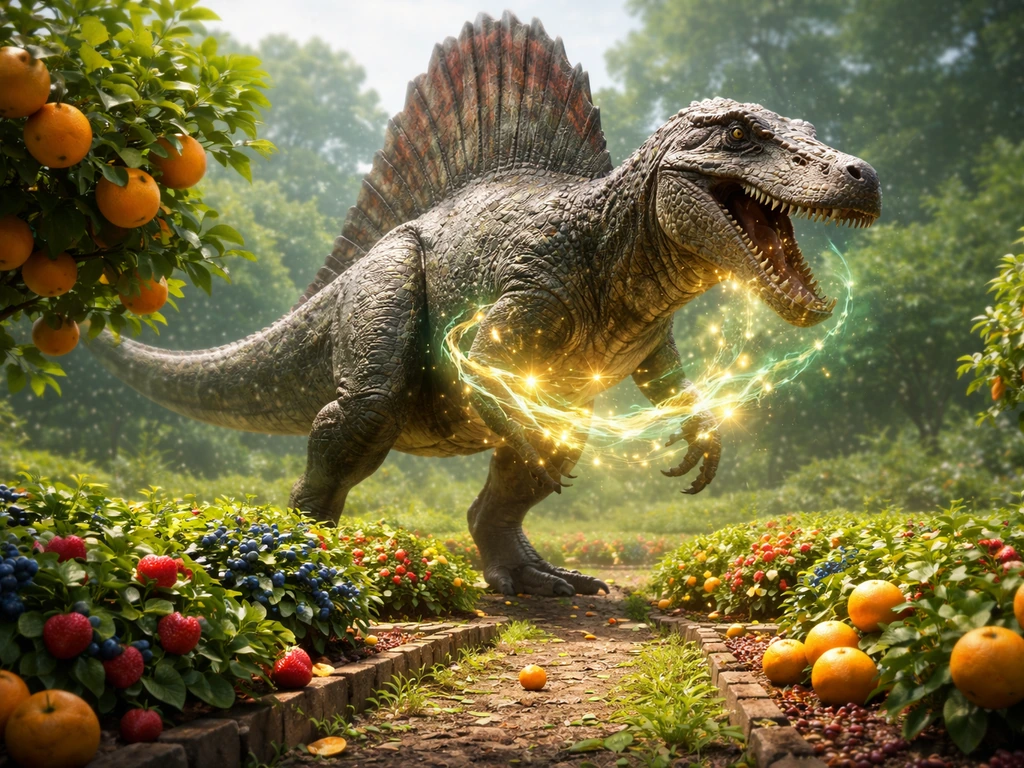
Spinosaurus has a passive ability called Food Chain. Spinosaurus is listed as a Divine pet, and its “blank" rel="noopener noreferrer">Food Chain” passive devours mutations from three fruits every ~20 minutes before spreading them to new fruits. blank" rel="noopener noreferrer">Every 20 minutes or so, it "devours" a random mutation from up to three different fruits in your garden, then "roars" to apply one of those mutations to a different random fruit. In plain terms: it grabs mutations from existing fruits and spreads them around your garden automatically. You don't have to do anything. The ability just fires on its own cooldown.
There's one important edge case you need to know about before you invest. If your garden has four or fewer fruits at the time the ability fires, Spinosaurus may fail to spit the mutation out onto a new fruit. The mechanic needs enough targets to work correctly. If you're running a small garden, you'll sometimes see the ability trigger but get nothing useful out of it. This is a real limitation, not a minor footnote, so keep it in mind when evaluating your setup.
The practical upside is significant for larger farms. If you've already cultivated fruits with rare or stacked mutations, Spinosaurus passively spreads those mutations to other fruits without you doing the work manually. Over a long play session, that compounds fast. Think of it as a mutation multiplier that runs in the background every 20 minutes.
What it costs to get and keep Spinosaurus
Let's be direct about the cost: Spinosaurus is expensive to acquire and comes with real opportunity cost. It's a Divine-tier pet, which already puts it at the top of the rarity ladder. It hatches from the Primal Egg at a 0.5% chance, which is 1 in 200 eggs. If you're buying or farming Primal Eggs, you need to mentally budget for potentially cracking open hundreds of them before you see a Spinosaurus. That's a lot of currency, time, or trade value depending on how you source your eggs.
Beyond acquisition, consider the ongoing cost. Spinosaurus needs a well-stocked garden (more than four fruits active at a time) to reliably trigger its ability. That means you're also committing to maintaining a certain farm density. If you're at a stage where you're still building up your fruit variety and count, you may get suboptimal returns even after landing the pet.
- Hatch source: Primal Egg only
- Hatch rate: 0.5% (1 in 200 eggs)
- Rarity tier: Divine
- Ability cooldown: approximately every 20 minutes
- Garden minimum to work reliably: more than 4 active fruits
- Opportunity cost: Primal Eggs can yield other strong Divine pets, so every egg spent is a gamble on the pool
How to get Spinosaurus efficiently
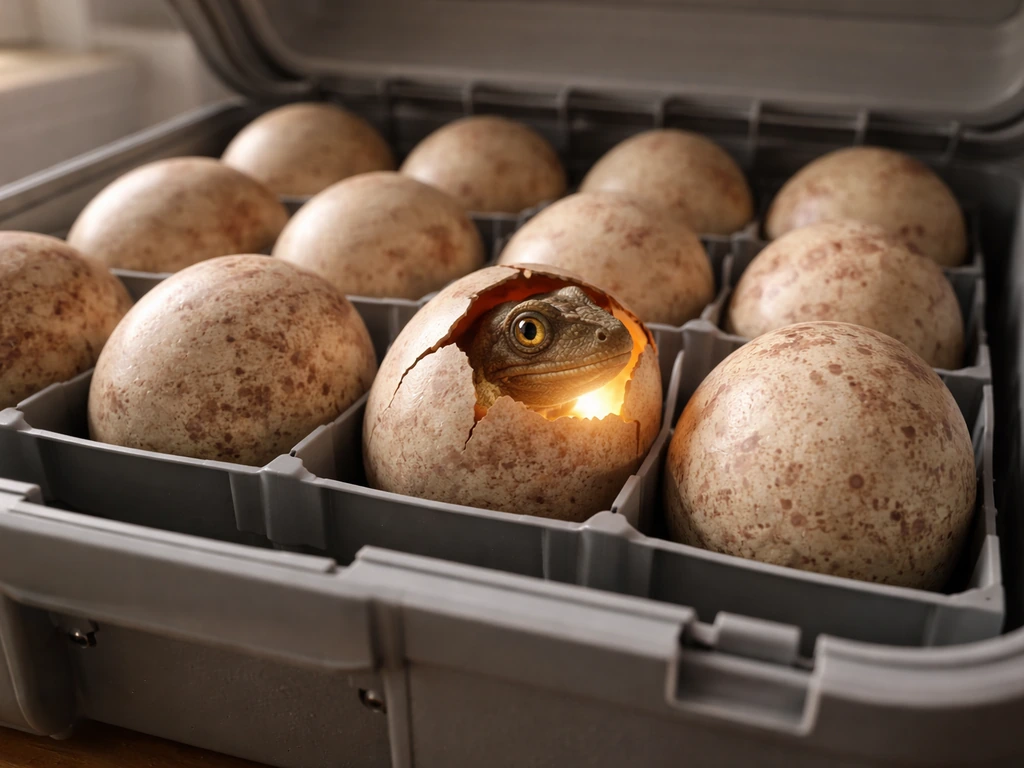
The only acquisition path for Spinosaurus is hatching Primal Eggs, so efficiency here is really about how you accumulate and spend those eggs. Don't crack eggs one at a time if you can batch them. Some players report better psychological tolerance for the grind by setting a session target (say, 20 eggs at a time) rather than cracking them indefinitely hoping for a hit. It won't change the math, but it keeps the grind from burning you out.
Trading is genuinely worth considering. If you already have duplicate Divines or strong pets the community values, trading into a Spinosaurus directly can be faster than grinding eggs, especially if your egg drop rate isn't great. Check current trade values in the community before committing either direction. The meta shifts and Spinosaurus's trade value can move with it.
If you're chasing the Food Chain ability specifically, also check whether there are any known Spinosaurus bugs in Grow A Garden before you invest heavily. Occasionally abilities get patched or broken in updates, and the last thing you want is to land a Spinosaurus and find the passive is currently bugged or underperforming.
One more angle worth flagging: if you're thinking about unlocking the ability to transfer rainbow mutations with Spinosaurus, that's a separate mechanic layer that changes the calculus considerably. Rainbow transfers can supercharge what Food Chain does, so factor that in when deciding how much to invest in the egg grind.
How Spinosaurus stacks up against other options
Spinosaurus doesn't exist in a vacuum. It shares egg pool space with other Divines, and there are solid alternatives at lower rarity tiers that can carry your farm if you don't pull a Spinosaurus. Here's a direct comparison of the creatures players most often weigh it against:
| Creature | Rarity | Hatch Source | Key Ability | Garden Minimum | Best For |
|---|---|---|---|---|---|
| Spinosaurus | Divine | Primal Egg (0.5%) | Food Chain: spreads mutations every ~20 min | 5+ fruits | Mid-late game mutation farming |
| T-Rex | Divine | Primal Egg | Aggressive combat/boosting passive | Flexible | Players focused on combat or alternate outputs |
| Pterodactyl | Divine/High Rare | Primal Egg | Flight-based area ability | Flexible | Players wanting AOE or alternative spread mechanics |
| Ankylosaurus | Rare/High | Standard eggs | Defensive/buffing passive | Low | Early-mid game efficiency and survivability |
If you're deciding between the big dinosaurs, it's worth reading the Spinosaurus vs T-Rex breakdown for Grow A Garden in detail. The short version: Spinosaurus wins for pure mutation spreading on large gardens, but T-Rex can edge ahead in specific scenarios depending on your farm goals and what you already have built up.
For players who aren't ready to chase Divines yet, the Ankylosaurus in Grow A Garden is a much more accessible option that delivers solid value without the egg lottery. It won't spread mutations the way Spinosaurus does, but it provides consistent utility while you build toward a stronger roster.
On the flying side, Pterodactyl's value in Grow A Garden is worth understanding too, especially if you like area-effect style abilities. Some players run Pterodactyl alongside Spinosaurus for coverage on different mechanics, though that's a late-game luxury.
When Spinosaurus is worth it, and when to skip it
This is the actual decision you're here for, so let's be specific. Spinosaurus earns its spot under certain conditions and is genuinely not the right call under others.
Go for Spinosaurus if:
- Your garden consistently runs 5 or more active fruits, so Food Chain reliably has targets
- You already have good base mutations on your fruits and want to spread them faster
- You're in mid-to-late game and have the egg stock or trade assets to realistically acquire it
- You're prioritizing passive automation and want your farm to self-optimize over long sessions
- You understand the 0.5% hatch rate and can stomach the grind without it draining your resources dry
Skip Spinosaurus (for now) if:
- Your garden is still small (4 or fewer fruits regularly), because Food Chain will misfire often
- You're early game and Primal Eggs are scarce, use that resource on more reliable pulls first
- You don't yet have good mutations on existing fruits, Food Chain needs quality inputs to give quality outputs
- You're optimizing for something other than mutation spreading (combat, resource generation, etc.)
- Your egg budget is limited and you need a high-certainty return rather than a lottery ticket
Practical next steps to build your farm around Spinosaurus
If you've decided Spinosaurus is the right move, here's how to set yourself up to actually get value out of it once you land one.
- Get your fruit count above 5 before anything else. Spinosaurus's Food Chain ability needs enough garden targets to function reliably. Prioritize expanding your plot and planting diverse fruits now, not after you hatch the pet.
- Stack at least a couple of fruits with desirable mutations before Spinosaurus arrives. The ability spreads existing mutations, it doesn't create new ones. If your garden is mutation-poor, Food Chain has nothing interesting to work with.
- Batch your Primal Egg openings. Opening eggs in bulk feels better and keeps the grind sustainable. Set a session limit so you don't blow your entire egg reserve in one sitting chasing a 0.5% pull.
- Look into rainbow transfer mechanics before you go deep. Understanding how Spinosaurus interacts with rainbow mutations can significantly change how you prioritize which fruits get mutations in the first place.
- Track your ability triggers. Since Food Chain fires every 20 minutes, play sessions of at least 40-60 minutes give you 2-3 activations per session. Short sessions (under 20 min) may mean you never see the passive fire at all.
- Consider your overall pet roster. Spinosaurus is powerful, but one Divine pet doesn't carry a whole farm. Use it as a force multiplier on an already-decent setup, not as a silver bullet for a struggling garden.
Bottom line: Spinosaurus is one of the strongest mutation-spreading tools in the game when used correctly. The 0.5% hatch rate is punishing, but for players with a developed garden and the patience to grind for it, the payoff is real. If that description fits where you are right now, it's worth the chase. If not, build the foundation first and come back to it.
FAQ
How big does my garden need to be for Food Chain to actually work reliably?
Plan around garden size, not just time. To get consistent Food Chain output, keep more than four fruits active at the moment the cooldown hits, and avoid long dry periods where you temporarily have only a handful of fruits.
What’s a practical way to avoid wasting too many Primal Eggs chasing Spinosaurus?
Divine rarity makes the egg grind the bottleneck, so consider stopping rules. If you have not seen a Spinosaurus after a large batch of eggs (for example, 200 plus, based on your risk tolerance), switch to trading or invest in a lower-rarity mutation spreader to avoid sunk-cost burnout.
Does stacking rare mutations on one fruit increase Spinosaurus value?
Yes, but it will not improve the Food Chain targeting rule. Even if you stack mutations on the same fruit, the ability still needs enough separate fruit targets at the time it fires, so you get more value by increasing fruit variety and count.
Can I time Food Chain to spread the mutations I want most?
If you log in right after a cooldown, you cannot force which mutations get copied, so you should treat it as a background system. The useful step is making sure you have your best candidate fruits already in the garden before Food Chain triggers.
What should I do if Food Chain triggers but doesn’t spread mutations?
If you have four or fewer fruits, the ability may trigger but fail to apply anything. The clean workaround is to keep a “buffer” of extra fruits running, even if they are not your permanent endgame fruits.
Is it better to trade for Spinosaurus or keep hatching Primal Eggs?
Trading is often the fastest path, but verify what you are giving up. If you trade away a duplicate Divine that already helps your farm in other ways, the net gain might be smaller than it looks, especially if your garden is still under the four-plus fruit requirement.
Should I chase Spinosaurus differently if I’m aiming for rainbow mutation transfers?
Rainbow mutation transfer plans change the value because they can amplify what Food Chain accomplishes. If you are not already building toward rainbow transfer mechanics, Spinosaurus may feel underwhelming compared to investing in a more immediate, reliable mutation strategy.
How can I minimize random spreading that gives me less useful mutations?
Because it spreads randomly from up to three fruits, you should curate which fruits you are willing to “donate” mutations from. A common mistake is letting many low-value mutation fruits fill your garden, which can dilute the mutations you hope Food Chain will replicate.
When should I choose another mutation spreader instead of Spinosaurus?
Compare alternatives by your current bottleneck. If your issue is farm space and mutation distribution, Spinosaurus can be worth it for late game, but if your garden is small or still forming, a more consistent utility pet like Ankylosaurus usually helps more before you can satisfy the Food Chain target rule.
Next Article
Echo Frog vs Frog Grow A Garden: Breeding, Stats & Tactics
Echo Frog vs Frog (Grow A Garden): data-driven head-to-head with exact stats, breeding recipes, and farm optimization