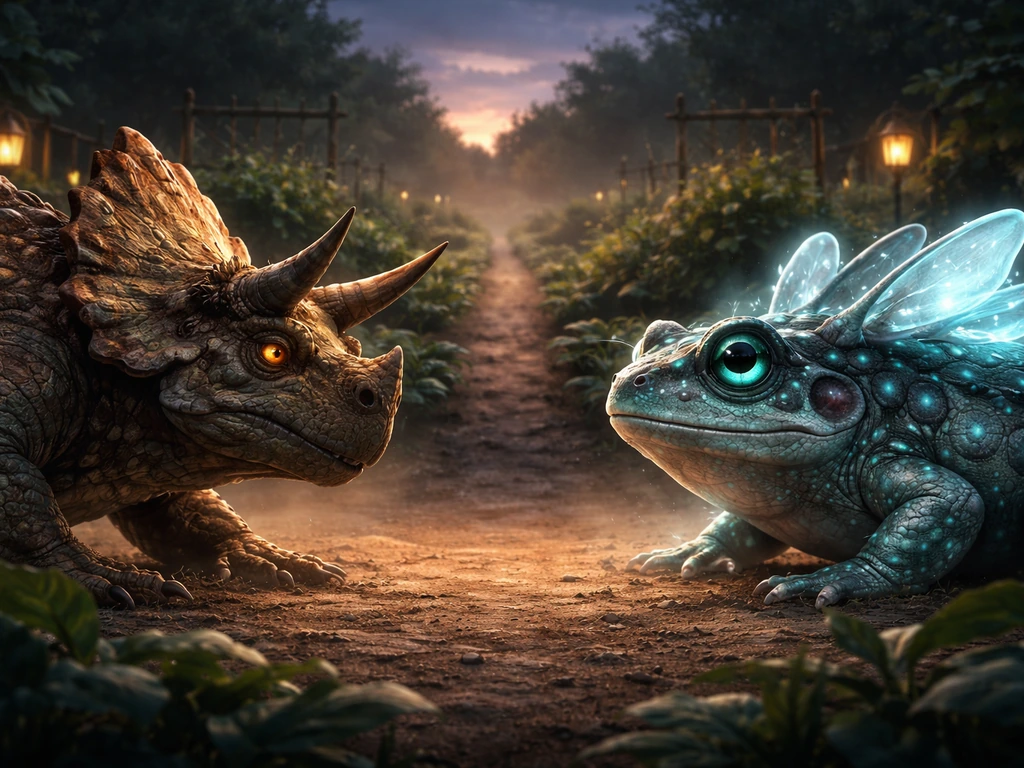
Triceratops is generally the stronger pick for mid-game players focused on progression speed, while Stegosaurus is the better choice if your farm is already harvest-heavy and you want passive output gains. Both are Legendary dinosaurs from the same Dinosaur Egg pool, so the decision really comes down to what your farm needs right now: faster growth cycles or more fruit per harvest.
Which Is Better Stegosaurus or Triceratops in Grow a Garden

Julian Russo
7 Jun 2026
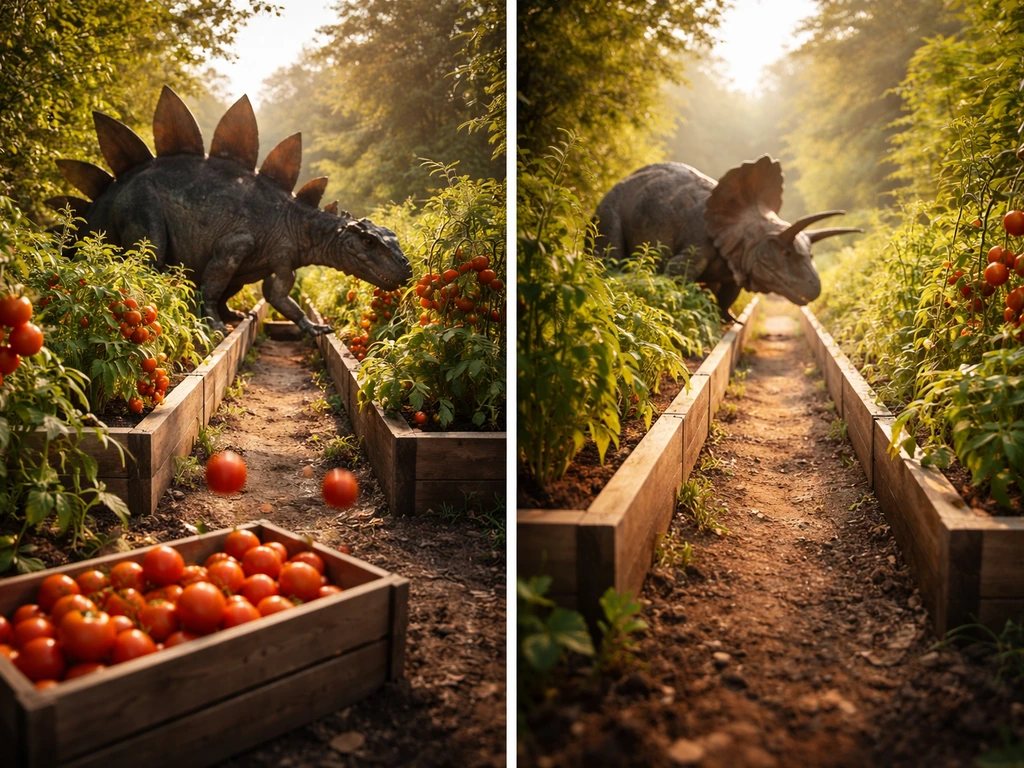
Quick verdict: which to pick and when
If you're still building out your farm and want to squeeze more growth cycles into every session, go Triceratops. Its Tri-Horn ability fires every 3 minutes 33 seconds, advances 3 random plants by 33 minutes 33 seconds each, and has a 15.18% chance to trigger again immediately. That kind of growth acceleration compounds fast, especially on slow-growing plants and trees. If your farm is already optimized for frequent harvesting and you run prehistoric-type crops, Stegosaurus starts pulling ahead because its duplication chance stacks directly with how often you harvest. The more you harvest, the more value you extract from that 8% baseline duplication rate.
| Situation | Pick This |
|---|---|
| You want faster growth cycles and more harvests per session | Triceratops |
| Your farm runs prehistoric crops and you harvest constantly | Stegosaurus |
| Early-to-mid game, still unlocking and expanding | Triceratops |
| Late game, farm is mature and harvest-optimized | Stegosaurus |
| You're targeting large or slow-growing fruit/trees | Triceratops |
| You want a low-management passive bonus | Stegosaurus |
Grow a Garden basics: how dinosaur value is measured
In Grow a Garden, a dinosaur's value comes down to two things: how much it boosts your farm's output, and how consistently it does so relative to how much effort it takes to use. If you're wondering how many dinosaurs there are in Grow a Garden, it helps to think of them in tiers and egg pools like the Legendary options discussed here how many dinosaurs are there in Grow a Garden. The two main output levers are growth speed (how fast your plants cycle from seed to harvest) and yield multiplication (how much fruit you get per harvest event). A dinosaur that accelerates growth lets you fit more harvests into a session. A dinosaur that duplicates harvested fruit multiplies what each harvest produces. Neither type is universally better; they just shine in different farm configurations.
Breeding efficiency also matters. Both Stegosaurus and Triceratops are Legendary tier, both drop from the Dinosaur Egg, and both can be obtained through the DNA Converter. The key difference is hatch probability: Triceratops sits at 32.5% while Stegosaurus is at 28%. That gap means you'll statistically need fewer Dinosaur Eggs to get your first Triceratops, which is a real factor if you're trying to scale quickly during the Prehistoric Event window.
Stegosaurus deep dive: strengths, weaknesses, best use cases
Stegosaurus is a pure harvest-duplication pet. Its two abilities work together: Prehistoric Doubling gives an 8% chance to duplicate any harvested fruit, and Prehistoric Harvester adds a further 5% duplication chance specifically for prehistoric-type crops. Combined, that's up to a 13% duplication rate on prehistoric crops, which is genuinely strong if your farm leans into that crop type. The beauty of this setup is that it's completely passive. You harvest, the game rolls, and sometimes you get double the fruit. No cooldown management, no timing windows.
Where Stegosaurus shines
- Farms that harvest frequently, since every harvest is an independent roll for duplication
- Players running prehistoric-type crops, where the full 13% duplication rate applies
- Late-game setups where growth speed is less of a bottleneck and maximizing yield per cycle matters more
- Low-maintenance playstyles where you don't want to think about cooldown timing
Stegosaurus weaknesses
- The duplication effect is entirely dependent on harvest frequency. If you're not harvesting often, you're barely using the pet
- On non-prehistoric crops, the bonus drops to just 8%, which is decent but not spectacular
- It does nothing to speed up growth, so slow-growing plants still take just as long
- Getting to a useful number of copies requires patience since the 28% hatch rate is lower than Triceratops
Triceratops deep dive: strengths, weaknesses, best use cases
Triceratops does something completely different. Its Tri-Horn ability triggers every 3 minutes 33 seconds, picks 3 random plants, and pushes each one forward by 33 minutes 33 seconds of growth. There's also a 15.18% chance it fires again immediately, which can chain into multiple consecutive triggers. On a farm with slow-growing crops or trees, this is enormous. You're essentially compressing hours of real growth time into a short session.
Where Triceratops shines
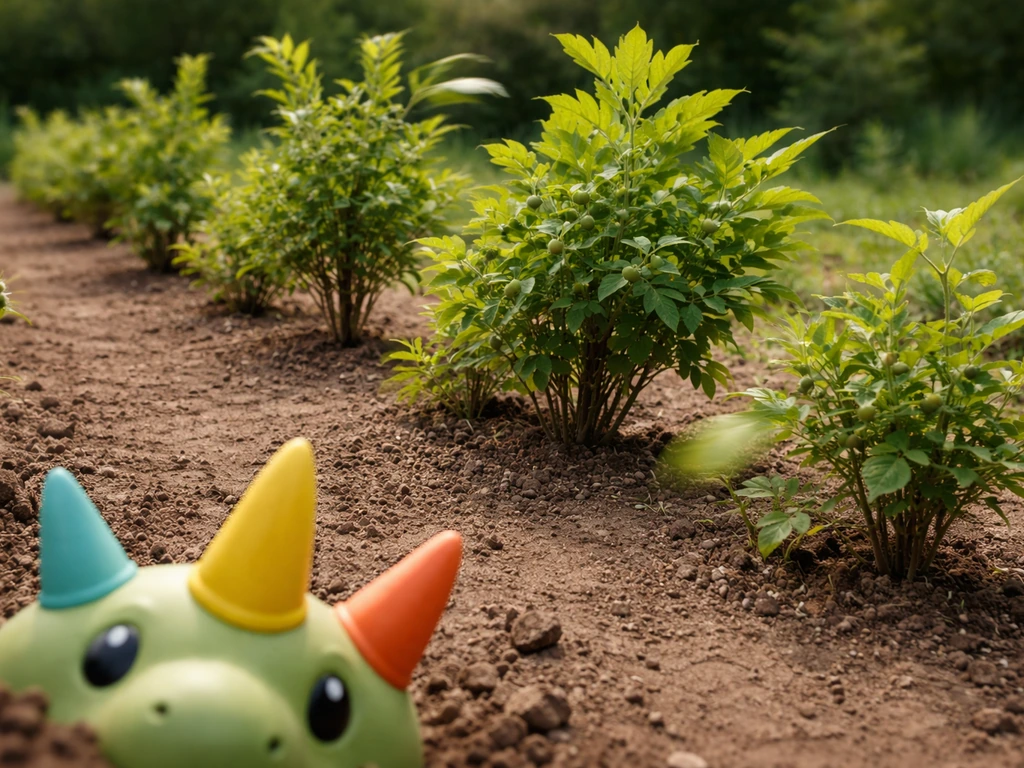
- Farms targeting large, slow-growing fruit or trees where growth time is the main bottleneck
- Early-to-mid game when you need to increase the number of harvest cycles per session
- Players actively managing their farm during sessions, since Tri-Horn is most valuable when applied to plants still in active growth stages
- Any setup where fitting more growth cycles into a fixed session length directly improves your progression rate
Triceratops weaknesses
- The ability targets random plants, so you can't guarantee it hits the specific crops you want it to
- If plants are already fully grown and waiting to be harvested, Tri-Horn does nothing useful on those slots
- Requires more active farm management to extract maximum value compared to Stegosaurus's passive bonus
- The chained 15.18% repeat trigger is powerful but inconsistent, so session-to-session variance can be frustrating
Side-by-side comparison
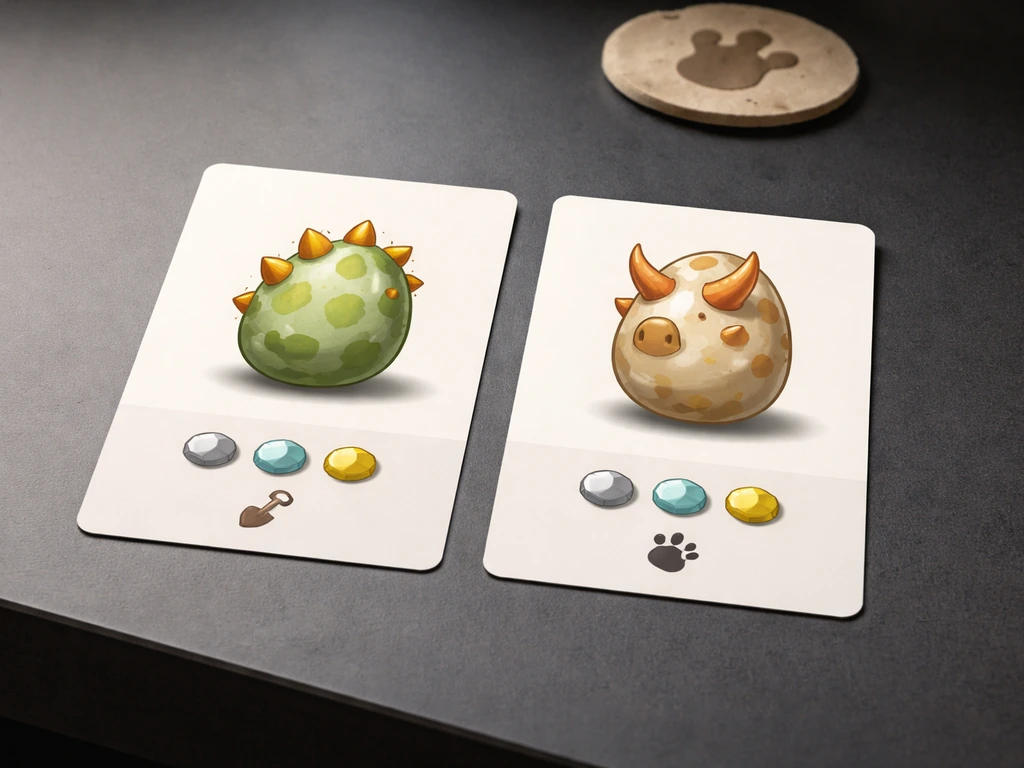
| Factor | Stegosaurus | Triceratops |
|---|---|---|
| Rarity tier | Legendary | Legendary |
| Hatch chance (Dinosaur Egg) | 28% | 32.5% |
| Acquisition | Dinosaur Egg / DNA Converter | Dinosaur Egg / DNA Converter |
| Core mechanic | Harvest duplication (passive) | Growth acceleration (active cooldown) |
| Baseline bonus | 8% fruit duplication on any harvest | 33m 33s growth advance on 3 plants every 3m 33s |
| Prehistoric crop bonus | +5% extra duplication (13% total) | No crop-type distinction |
| Repeat trigger chance | None | 15.18% chance to fire again immediately |
| Management required | Low (fully passive) | Medium (timing and plant state matter) |
| Best farm stage | Late game, harvest-optimized | Early to mid game, growth-limited |
| Breeding efficiency | Slightly harder to accumulate (28%) | Easier to accumulate (32.5%) |
The bottom line on the comparison: Triceratops offers more dynamic value during active sessions and is easier to obtain in volume thanks to its higher hatch rate. Stegosaurus trades raw growth impact for a reliable, hands-off passive that scales with harvest frequency. If you're comparing either of these to other dinosaurs in the game, the ecosystem is worth evaluating more broadly since some options may fit specific farm strategies better than either of these two. If you are trying to figure out what is the best dinosaur for your farm in Grow a Garden, start by matching the pet to your session style and the crops you grow most often what is the best dinosaur in grow a garden.
Breeding and optimization plan: what to do next today
Start by identifying where your farm is losing time. Open your farm and ask: are my plants sitting fully grown waiting to be harvested, or are they still growing when I come back? If plants are always ready when you return, growth speed isn't your bottleneck and Stegosaurus makes more sense. If you're frequently coming back to plants still mid-growth, Triceratops will directly shorten that gap.
- Target Dinosaur Eggs during the Prehistoric Event since that's where both pets drop. Triceratops at 32.5% is statistically more accessible if you're trying to get your first copy fast.
- If you already have one Triceratops, consider using the DNA Converter to duplicate it rather than grinding more eggs, especially if the event window is limited.
- For Stegosaurus, prioritize building a prehistoric crop lineup alongside the pet. Without prehistoric crops, you're leaving that extra 5% duplication on the table.
- If you have both pets and need to choose which to slot in, run Triceratops during active play sessions and consider Stegosaurus for longer idle sessions where passive duplication accumulates without cooldown management.
- Track your harvest frequency. Stegosaurus's value is proportional to how many harvest events happen per hour, so increasing your harvest cadence directly multiplies its output.
Meta guidance and common mistakes to avoid
The biggest mistake players make with Triceratops is running it on a farm full of already-mature plants. Tri-Horn only advances growth on plants that are still growing, so if your plots are sitting completed waiting for harvest, the ability is wasted. Harvest first, then let Triceratops push the newly planted crops forward. Timing your harvests around Triceratops's 3-minute-33-second cooldown cycle is the most effective way to maximize its impact.
With Stegosaurus, the classic error is under-harvesting. Because the duplication is passive and tied to harvest events, players who harvest infrequently barely notice the pet doing anything. If you have Stegosaurus equipped, you want to be harvesting as often as possible. Faster-maturing crops are your best pairing here, not slow-growing trees that only harvest a few times per session.
Another thing worth knowing: Triceratops's 15.18% repeat trigger can chain, but don't build your strategy around counting on it. Treat it as a nice bonus rather than a reliable multiplier. On sessions where it chains multiple times you'll see dramatic results, but the variance is high enough that you shouldn't rely on it to hit your farm targets consistently.
Players exploring the full dinosaur roster often find that the best dinosaur for their specific goals isn't always one of these two. Parasaurolophus can be a good fit in Grow a Garden depending on whether you need its specific growth or harvest utility for your current crop schedule. Parasaurolophus and other dinosaurs in the Prehistoric ecosystem each fill different niches, and the Triceratops vs. Echo Frog debate is a relevant comparison point for players weighing growth-speed options specifically. If you also want to grow a garden efficiently, compare Triceratops's growth-speed advantage against Echo Frog so you can pick the better fit for your setup Triceratops vs Echo Frog. The broader context of which dinosaurs are available and how they stack up overall is worth exploring if you're optimizing a full team composition rather than making a single-slot decision.
Final simplified takeaway: pick Triceratops if you want faster progression and more growth cycles per session, especially if you're mid-game and growth time is your main constraint. Pick Stegosaurus if your farm is mature, you harvest frequently, and you run prehistoric crops. Either way, both are solid Legendary picks from the same egg pool, and if you can get both through the DNA Converter, running them in different contexts is a completely valid strategy. In Grow a Garden, Triceratops is a Legendary pet obtained via Dinosaur Egg with a 32.5% hatch chance (and it can also be obtained through the DNA Converter).
FAQ
If I plan to use Triceratops and Stegosaurus together, what’s the best way to split them across my farm?
Use Triceratops on plots that you frequently leave mid-growth (slow trees or crops you return to later), and use Stegosaurus on your high-frequency harvest areas (preharvest-heavy loops). This reduces “wasted” Tri-Horn triggers on already-mature plants while maximizing how often Stegosaurus gets an 8% baseline duplication roll.
Does Triceratops work on plants that are already fully grown, or only while they’re still growing?
Tri-Horn only advances plants that are currently in the growth phase. If your plots sit fully mature until you harvest, Triceratops cannot add value there, so you should harvest those first and then let the newly planted cycle be the target for the next Tri-Horn cooldown.
How should I time my harvesting to get maximum value from Triceratops’s 3-minute-33-second cooldown?
Harvest right before or right after a cooldown window rather than completely ignoring it. If you often harvest on a much longer schedule, Tri-Horn’s growth compression effect becomes less noticeable because more plants may be fully grown (no advancement possible) when it triggers.
What crops or plant types benefit most from Stegosaurus, and what should I avoid?
Stegosaurus shines on prehistoric-type crops because Prehistoric Harvester adds a further duplication chance on top of the general harvest duplication. If your farm is mostly non-prehistoric crops, you’ll miss that extra 5%, so its advantage over a growth-focused setup will shrink.
If my farm is new and my plants already take a lot of time to reach harvest, which should I prioritize first, Triceratops or Stegosaurus?
Prioritize Triceratops early if your main bottleneck is “getting more growth cycles per session.” Stegosaurus is most felt when harvest events are frequent, and early-game harvest rates are often too low for its duplication to outpace growth acceleration.
Is the hatch probability difference (32.5% vs 28%) significant enough to change my choice during events?
Yes, especially during limited Prehistoric windows where you want your first copy quickly. A higher hatch probability means fewer eggs on average to reach Triceratops, which can matter more than the small performance differences once you are trying to scale fast within the event timeframe.
Can Stegosaurus duplicate any harvested fruit, or is it limited to prehistoric-type crops?
It has two layers: an overall chance to duplicate harvested fruit (baseline), and an additional chance tied specifically to prehistoric-type crops. If you harvest prehistoric crops often, you benefit from both layers frequently; for other crop types, you only get the baseline duplication behavior.
How reliable is Triceratops’s extra immediate trigger (15.18% repeat), should I build around it?
Don’t build around it. Treat repeat triggers as variance that can spike results, but plan your strategy around the guaranteed cooldown cycle. If you rely on repeat chaining to hit targets, you may underperform on runs where it triggers less than expected.
What’s the most common mistake people make when using Stegosaurus, and how do I fix it?
The biggest mistake is harvesting infrequently. Since Stegosaurus only acts on harvest events, low harvest frequency means fewer duplication rolls. Fix it by increasing harvest cadence and aligning your crop choice toward faster or more frequent cycles.
Should I switch dinosaurs based on whether my farm is “growth-limited” or “harvest-limited”?
Yes. If plants are frequently ready and you’re mostly waiting on harvest opportunities, growth acceleration loses value and Stegosaurus becomes stronger. If your plants often aren’t ready when you return, Triceratops directly reduces that downtime by compressing growth time.
Does the “best dinosaur” decision change if I’m optimizing for passive play only (minimal checking)?
If you truly check rarely, focus on Stegosaurus only when your farm is set up for frequent harvests during those visits. Otherwise, Triceratops can still help by shortening time for the next growth window, but you should ensure your plots are frequently in mid-growth when you come back so Tri-Horn has valid targets.
Next Article
Triceratops vs Echo Frog in Grow a Garden: Breeding Guide
Triceratops vs Echo Frog breeding in Grow a Garden: side-by-side egg results, farm rules, and step-by-step optimization