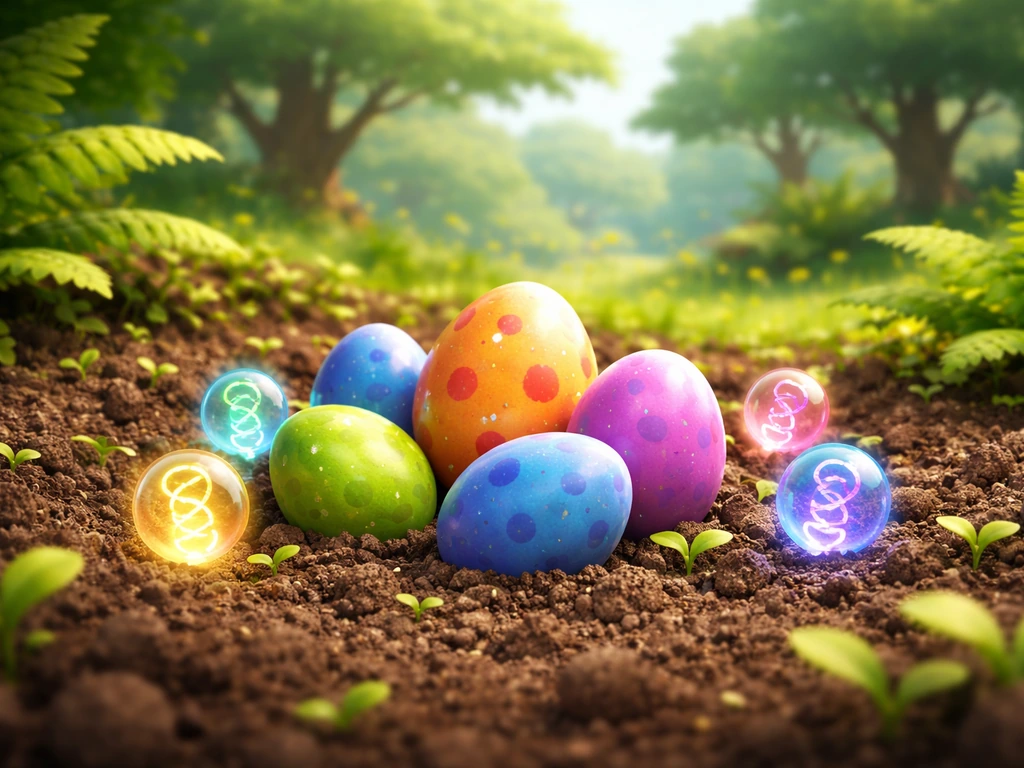
If you are choosing between Triceratops and Echo Frog in Grow a Garden, Triceratops is the stronger pick for most farms right now. It hits 3 plants every 3 minutes 33 seconds and advances each one by 33 minutes 33 seconds, making it a consistent, multi-target growth engine. Echo Frog does push a single random plant forward by a full 24 hours per trigger, which sounds huge, but the randomness and single-plant targeting hold it back compared to Triceratops for general farming. That said, the right answer does depend on your setup, and there are specific situations where Echo Frog pulls ahead.
Triceratops vs Echo Frog in Grow a Garden: Breeding Guide

Julian Russo
3 Jun 2026
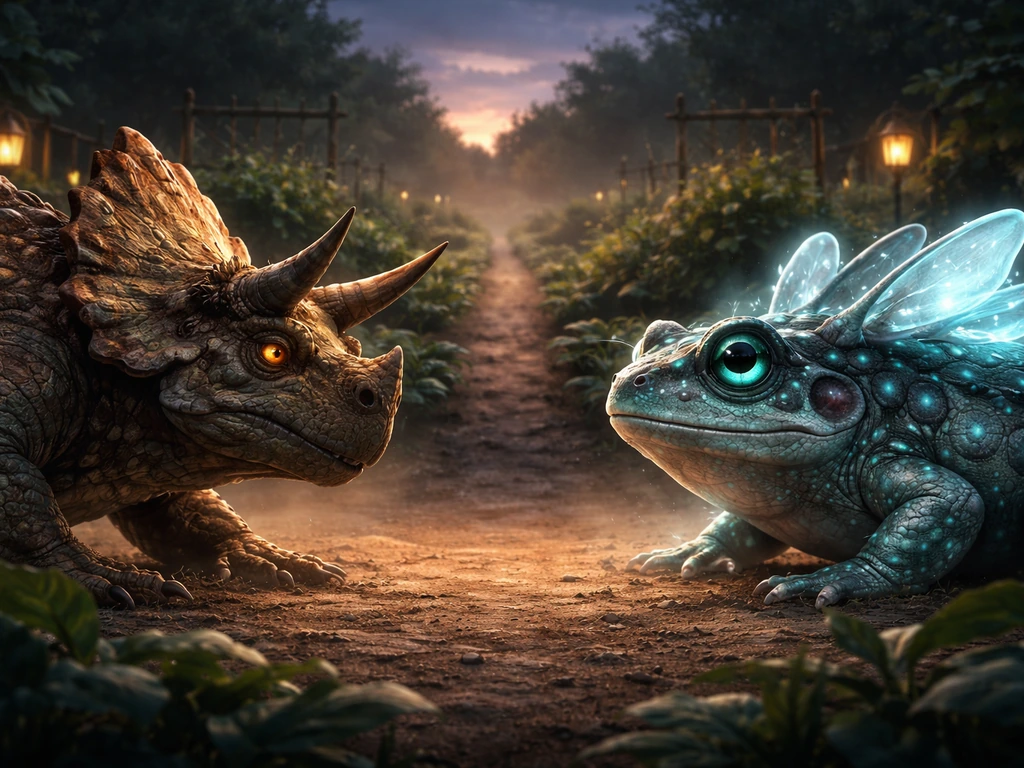
What Triceratops Is in Grow a Garden
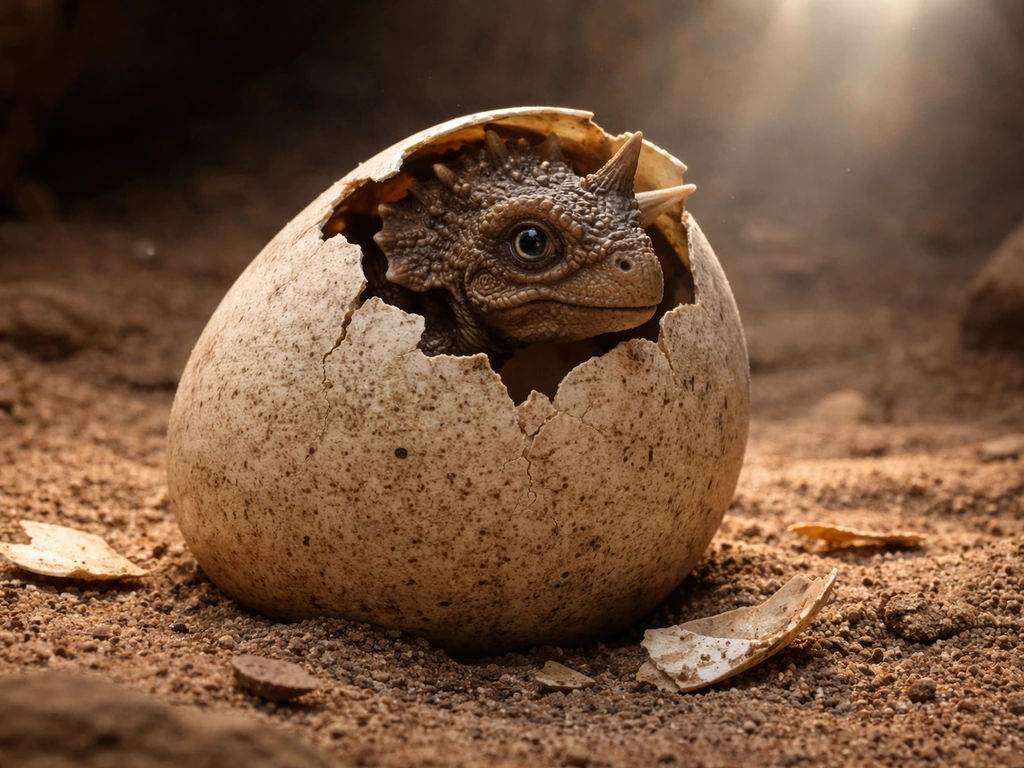
Triceratops is a Legendary-tier pet tied to the Prehistoric Event. Triceratops is a Legendary pet obtainable from the Dinosaur Egg with a 32.5% chance or via the DNA Converter during the Prehistoric Event. You get it by hatching a Dinosaur Egg, where it sits at a 32.5% hatch rate, or by using the DNA Converter during the event window. That 32.5% rate is actually quite generous for a Legendary, which is part of why Triceratops is accessible to a broad range of players and shows up frequently in mid-game inventories.
Its passive ability is called Tri-Horn. Every 3 minutes 33 seconds, Triceratops charges into 3 random plants in your garden and advances each one's growth by 33 minutes 33 seconds. That means you are effectively skipping 33+ minutes of real growth time on 3 crops almost continuously. Over an hour, that stacks up to roughly 10 triggers, advancing each targeted plant by around 5.5 hours of growth time, spread across whatever 3-plant combination the game picks. The mechanic is automatic, requires no input, and runs on a tight loop.
From a trading standpoint, Triceratops holds a reported value range of around 35T to 55T coins depending on the source and current market, which tells you it is seen as genuinely useful and not just a collector novelty. Most tier lists place it in Tier A or Tier S, and the community generally agrees it is one of the better farming-focused pets available during or after the Prehistoric Event.
What Echo Frog Is in Grow a Garden
Echo Frog is a Mythical-tier pet from the Lunar Glow Event. It is harder to obtain than Triceratops: you hatch it from a Night Egg at an 8.23% chance, or from a Premium Night Egg which bumps that rate higher. Being Mythical means it sits above Legendary in rarity, and that lower hatch rate reflects that. If you are farming Night Eggs specifically for Echo Frog, expect to go through quite a few before landing one.
Echo Frog's passive is Echo Croak. It triggers every roughly 5 to 10 minutes (the exact cooldown has been adjusted in patches, so check current patch notes) and causes a random nearby plant to jump forward by a full 24 hours of growth. That 24-hour skip is massive in raw numbers, especially for slow-growing or high-value crops. Echo Frog also has a listed hunger value of 50,000, which is worth factoring in if you are managing feeding schedules. The automation angle is real here: like Triceratops, it runs passively without you needing to interact with it each cycle.
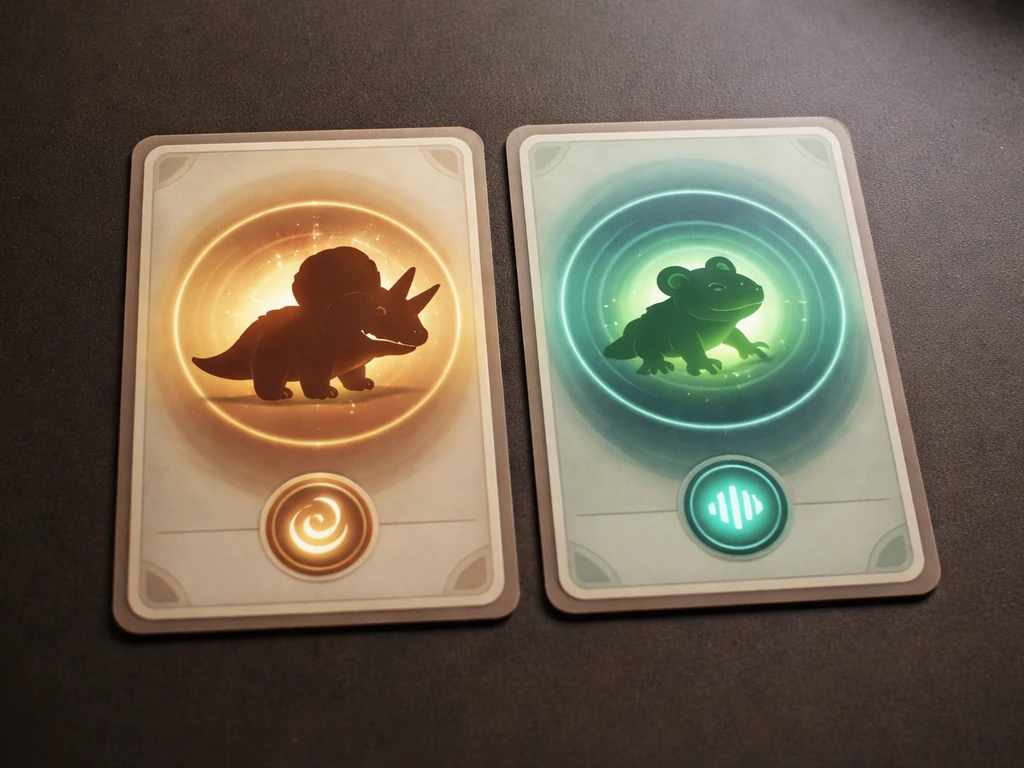
Triceratops vs Echo Frog: Side-by-Side Comparison
| Attribute | Triceratops | Echo Frog |
|---|---|---|
| Rarity | Legendary | Mythical |
| Source | Dinosaur Egg (Prehistoric Event) / DNA Converter | Night Egg / Premium Night Egg (Lunar Glow Event) |
| Hatch Rate | 32.5% from Dinosaur Egg | 8.23% from Night Egg |
| Passive Name | Tri-Horn | Echo Croak |
| Trigger Interval | Every 3 min 33 sec | Every ~5–10 min |
| Effect Per Trigger | Advances 3 random plants by 33 min 33 sec each | Advances 1 random nearby plant by 24 hours |
| Plants Affected | 3 per trigger | 1 per trigger |
| Hunger Value | Not prominently listed | 50,000 |
| Tier (community consensus) | A–S Tier | B–S Tier (varies by source) |
| Trading Value | ~35T–55T coins | Mythical rarity; high but event-gated |
| Best Use Case | Multi-crop farms, consistent output | Single high-value crop, slow-grow acceleration |
The numbers tell an interesting story. Triceratops fires more frequently and hits more plants per trigger, giving you a broader, steadier acceleration across your whole garden. Echo Frog fires less often but when it does fire on the right plant, it skips an entire day of wait time in one shot. The catch is the randomness: if you have 10 plants and only 1 of them is the slow legendary crop you care about, Echo Frog might keep skipping your other 9 plants instead.
When to Choose Triceratops vs Echo Frog
Choose Triceratops when:
- You are running a full multi-crop garden and want consistent acceleration across all your plots
- You want a pet that is easier to obtain (32.5% hatch rate vs 8.23%) so you can get it running sooner
- You are mid-game and building up crop output volume rather than focusing on one prestige plant
- You want strong trade value as a secondary benefit if you ever decide to swap it out
- You are not running a dedicated single-plant setup where Echo Frog's 24-hour skip would actually land reliably
Choose Echo Frog when:
- You are running a focused 1 to 2 plant setup (like a dedicated Bone Blossom or another slow, high-value crop) where the 24-hour skip reliably hits the right target
- You already have Triceratops and want a second pet to stack effects on a priority crop
- You are late-game and optimizing for a specific prestige plant rather than broad output
- You have Night Eggs available and are farming the Lunar Glow Event anyway
The community discussion around the 1-plant setup is worth taking seriously. If you intentionally reduce your planted crops to just one or two, Echo Frog's random targeting becomes much more reliable because there are fewer plants to randomly miss. In that narrow scenario, the 24-hour skip beats Triceratops's ~33-minute advance. For anything wider than that, Triceratops wins on consistency.
How to Breed and Optimize Triceratops Step by Step
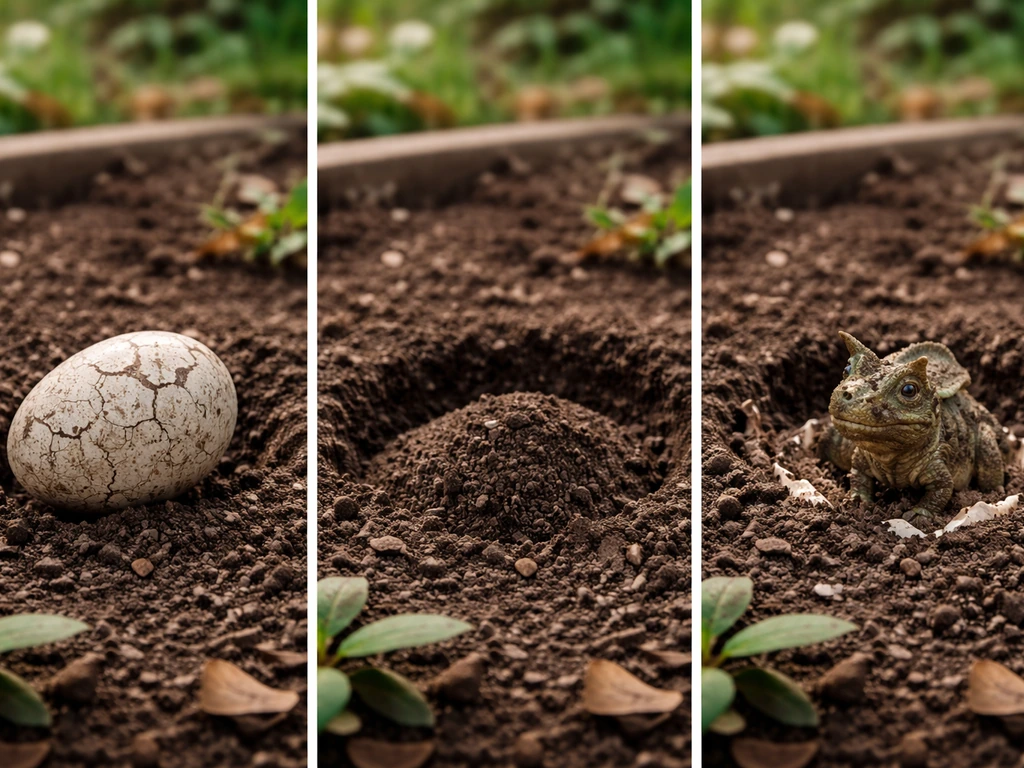
Triceratops is not bred in a traditional biological sense in Grow a Garden; you obtain it through egg hatching during the Prehistoric Event. Here is how to maximize your efficiency:
- Acquire Dinosaur Eggs during the Prehistoric Event. Stock up as many as you can while the event is active, since availability is time-limited.
- Open your inventory, select a Dinosaur Egg, and place it on any open garden plot slot. The egg will begin incubating immediately on a timer of 4 hours 10 minutes.
- Leave the egg in place and let the timer run. You do not need to interact with it during incubation. At the end of the timer, the pet hatches automatically.
- With a 32.5% chance per egg, you should statistically land a Triceratops within 3 to 4 Dinosaur Eggs on average, though luck plays a role. Hatch multiple eggs simultaneously if you have open garden slots to speed up the process.
- Once hatched, equip Triceratops to your active pet slot. Its Tri-Horn passive activates automatically. No further setup is required.
- To optimize its output, plant crops with longer growth cycles so the 33-minute advances make a bigger relative dent. Very fast-growing crops (under 10 minutes) benefit less from Tri-Horn since the advance already exceeds their full cycle.
- If you have access to the DNA Converter during the event, use it as an alternate path to Triceratops if your egg supply runs low.
How to Breed and Optimize Echo Frog Step by Step
- Target the Lunar Glow Event to get access to Night Eggs. Premium Night Eggs offer a higher chance than standard Night Eggs, so prioritize those if available.
- Place a Night Egg or Premium Night Egg on an open garden plot slot. Unlike the Dinosaur Egg's 4 hour 10 minute timer, check the specific incubation time for Night Eggs and plan accordingly.
- With an 8.23% base chance, expect to hatch roughly 12 or more Night Eggs on average before landing Echo Frog. Hatch multiple eggs at once by using multiple garden slots to run timers in parallel.
- Once you have Echo Frog, the key optimization is narrowing your planted crop count. Reduce the number of active plants to 1 or 2 so that Echo Croak reliably targets your high-priority crop instead of randomly picking from a large field.
- Pair Echo Frog with a slow-growing, high-yield plant (anything with a multi-hour or multi-day growth cycle) so the 24-hour skip has maximum impact.
- Monitor Echo Frog's hunger: with a 50,000 hunger value, keep it fed so it stays active and passive triggers do not get interrupted.
- If you already have Triceratops, consider running both pets together with a small garden focused on 1 to 3 premium crops for a stacked acceleration setup.
Eggs, Incubation, and Setup Tips
Egg placement and incubation management are easy to overlook but they directly affect how fast you can cycle through hatches. The core mechanic is simple: select an egg from your inventory and place it on any available garden plot slot. The timer starts immediately and the pet appears when it expires. No babysitting needed.
A few practical tips that make a real difference:
- Run eggs in parallel. Every open garden slot can hold an incubating egg, so if you want Triceratops fast, place multiple Dinosaur Eggs across open slots and run them all at once. Four hours 10 minutes per egg means batching is the most time-efficient approach.
- Dedicate a section of your garden to egg hatching if you are grinding a specific pet. Some players keep a few plots open specifically as 'hatch stations' rather than filling every slot with crops.
- Watch for egg overlap and spacing. Eggs placed too close together can visually overlap, which is mostly cosmetic but can make inventory management confusing. Keep track of which slot holds which egg if you are running multiple different egg types.
- Premium Night Eggs are worth prioritizing over standard Night Eggs if you are specifically grinding for Echo Frog. The higher hatch rate saves real time.
- For Dinosaur Eggs, the 32.5% Triceratops rate is the highest single-pet probability on that egg, but you will also see other dinosaur pets from the same egg. Decide upfront whether those other outcomes are useful to you or if you should trade them.
- Booster pets can sometimes affect egg hatching outcomes or efficiency depending on the current meta, so check what active booster pets do before committing your garden slots to a long hatch session.
Tier Rankings, Meta Value, and What to Do Next
Tier list consensus is not uniform for either pet, which is worth being honest about. Triceratops lands consistently in A to S tier across most community rankings, with strong agreement that it is one of the better active farming pets in the game. Echo Frog is more divisive: some lists put it at S tier, others as low as C tier, with the critique usually being that its single-target random mechanic underdelivers when you have a full garden. Game.Guide’s tier list places both Triceratops and Echo Frog in Tier S, listing them together on the same page. The practical takeaway is that Triceratops is the safer, more broadly useful investment.
If you are thinking about the wider dinosaur meta, Triceratops is not the only dinosaur worth evaluating. If you are specifically looking at dinosaurs in Grow a Garden, you can count options by checking the dinosaur pet list in-game and any event-exclusive variations. Comparing it against other dinosaur pets (like Stegosaurus and Parasaurolophus) is worth doing before you commit all your Dinosaur Eggs to one target, especially since those eggs can yield multiple different outcomes. If you are comparing dinosaurs in Grow a Garden, you may also want to check which is better Stegosaurus or Triceratops for your specific setup. If you are wondering whether Parasaurolophus is good for your Grow a Garden setup, it helps to compare its performance against Triceratops in terms of consistency and targeting. The question of which dinosaur is best overall is a separate but related decision to the Triceratops vs Echo Frog matchup. The best way to decide is to look at your farm setup and whether you want consistent multi-plant acceleration or a big one-day skip what is the best dinosaur in Grow a Garden.
For most players today, here is the practical next-step breakdown based on where you are in the game:
| Player Stage | Recommended Priority | Reasoning |
|---|---|---|
| Early to mid game, building crop output | Triceratops first | Easier to obtain, consistent multi-crop acceleration, strong trade value |
| Mid game, have Triceratops already | Start working toward Echo Frog | Stack effects, use Echo Frog on focused high-value crop setups |
| Late game, running 1-2 prestige crops | Echo Frog is genuinely competitive here | 24-hour skip reliably hits priority plant, huge time savings |
| Limited event access / no Night Eggs | Stick with Triceratops | No reason to wait on Echo Frog if Night Eggs are not available |
Bottom line: if you have to pick one today, go Triceratops. It is more accessible, it performs well across a wider range of farm setups, and the tier-list community broadly backs it up. Echo Frog is not a bad pet, it is just more situational. Once your farm is established and you are playing at a level where you can narrow down to a 1 to 2 crop focus on your best plants, Echo Frog earns its Mythical rarity. Until then, a well-fed Triceratops running Tri-Horn on a full garden is one of the most efficient things you can have active on your farm right now.
FAQ
If both pets can work, how do I decide without recalculating everything every week?
Start by listing your top 1 to 3 crops by importance (time to harvest or value). If you will keep at least half your garden planted with those crops, Triceratops is usually the safer choice. If your strategy intentionally limits planting to 1 to 2 target crops, Echo Frog’s single-plant random targeting becomes much more consistent, making it the better bet.
Does Echo Frog’s 24-hour skip waste potential on fast-growing crops?
It can. If the random plant it selects is already close to ready, you effectively get a smaller real-time gain than a full day suggests. Triceratops often performs better when your garden has mixed growth stages, because it repeatedly advances three plants on a shorter cycle.
How should I feed Echo Frog if its hunger value is 50,000?
Plan feeding around your pet-management routine, not only around croak triggers. If your play session is short, Echo Frog may run into hunger downtime during your absence, which reduces the number of 24-hour skips you actually get. Triceratops is generally less stressful for continuous farming because its acceleration cadence is easier to rely on.
What happens if I only plant one crop, but I harvest and replant frequently?
With one crop, Echo Frog’s randomness matters less, but frequent harvest-replant cycles change which crop is present when Echo Croak triggers. If you replant right after a croak, you might delay benefit until the next trigger. A practical approach is to monitor the crop you care about and time replanting so the target crop is in the garden during likely trigger windows.
Are Triceratops and Echo Frog equally good for late-game high-value crops?
Not necessarily. Late-game value crops are often slower, which makes Echo Frog’s full-day skip attractive, but only if Echo Croak reliably hits those slow crops. If your late-game garden stays multi-crop, Triceratops usually wins by repeatedly advancing multiple plants, reducing the risk of Echo Frog hitting the wrong one.
Should I switch from Triceratops to Echo Frog after I narrow to 1 to 2 crops?
Yes, if your farming style truly stays focused. The key condition is that the garden usually contains only your target crop(s) when Echo Croak fires. If you still run a broad garden for passive progression, switching can backfire because the random targeting will often advance non-target plants.
Does pet performance change based on how many garden slots I use?
Yes. More planted slots generally benefits Triceratops because it advances multiple plants per trigger. It can reduce Echo Frog’s efficiency because its single random target becomes more likely to be something you did not optimize for.
What’s the biggest mistake players make when using these pets?
Overvaluing the headline “big number” without aligning planting strategy to targeting. Echo Frog’s 24-hour advance sounds dominant, but if you run a full garden with mixed priorities, Triceratops’s multi-target consistency usually delivers more useful total progress.
Are egg placement and incubation affected by when I place the egg in the plot?
Placement starts the timer immediately, so the moment you drop the egg matters for your breeding cycle efficiency. If you are trying to line up hatch times with feeding or harvesting routines, stagger egg placement so you are not constantly waiting on the same timer across multiple eggs.
Next Article
How Many Dinosaurs Are There in Grow a Garden
Get the exact dinosaur count in Grow a Garden, including Roblox, and how to verify distinct species vs all variants.