The best dinosaur in Grow a Garden for most players right now is the Triceratops. It accelerates plant growth on a reliable timer, it enables mutation spreading through its Food Chain passive, and it forms the backbone of the highest-output farm builds available in the dinosaur roster. If you only have time to chase one dinosaur, chase the Triceratops. That said, "best" shifts depending on what you are actually trying to do, so the rest of this guide breaks it down by goal so you can make the right call for your farm today.
What Is the Best Dinosaur in Grow a Garden

Julian Russo
3 Apr 2026
What "best dinosaur" actually means in Grow a Garden
The dinosaur roster in the Prehistoric Event includes eight pets: Raptor, Triceratops, Stegosaurus, Parasaurolophus, Iguanodon, T-Rex, Brontosaurus, and Pterodactyl. If you want the full count and rarity breakdown, the guide covering how many dinosaurs are there in Grow a Garden is a good starting point before diving into which one to prioritize.
"Best" in this game is never a single-answer question because the pet system rewards matching your dinosaur to your farm goal. Growth-speed builds, duplication builds, huge-crop hunting, egg ROI, and crate efficiency all pull in different directions. What I am going to do here is give you a concrete top pick for general use, then layer on the goal-specific alternatives so you can slot the right dinosaur into whatever phase of play you are in.
My top overall recommendation: Triceratops
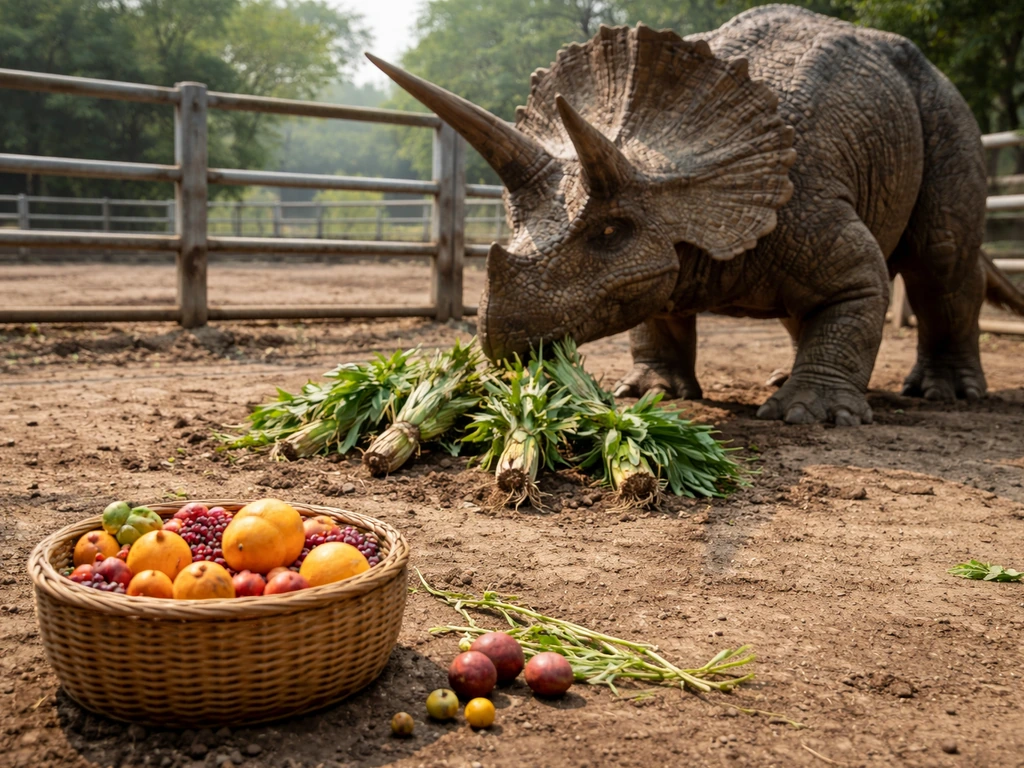
The Triceratops has two passives that work together in a way no other dinosaur in the set matches. The first is Tri-Horn: every 3 minutes 33 seconds, it rams three random plants and pushes each one forward by 33 minutes 33 seconds of growth. On top of that, there is a 15.18% chance the ability repeats immediately, which means you can occasionally get a double-proc in the same window. That kind of consistent, timer-based growth acceleration is incredibly practical because it is predictable. You can build your whole harvest cycle around knowing exactly when the next ram is coming.
The second passive is Food Chain, which consumes mutations from harvested fruits and spreads them to other crops nearby. This transforms the Triceratops from a pure speed pet into a mutation engine. You are not just cycling crops faster, you are also propagating the mutations you care about across your garden plot while doing it. The Tri-Moon Method (a community-documented approach that syncs Triceratops' 3:33 cooldown with Moon Cat placement timing) is a real example of how players use the ability's exact timing to maximize huge-crop outcomes. That kind of depth and flexibility is what earns Triceratops the top spot.
One important caveat: if there are no crops nearby when Tri-Horn fires, the ability skips and resets the cooldown, so your garden layout and plant placement timing genuinely matter. A well-organized plot is what separates a Triceratops that performs and one that underdelivers.
Best dinosaurs by goal
Best for raw output and growth speed: Triceratops
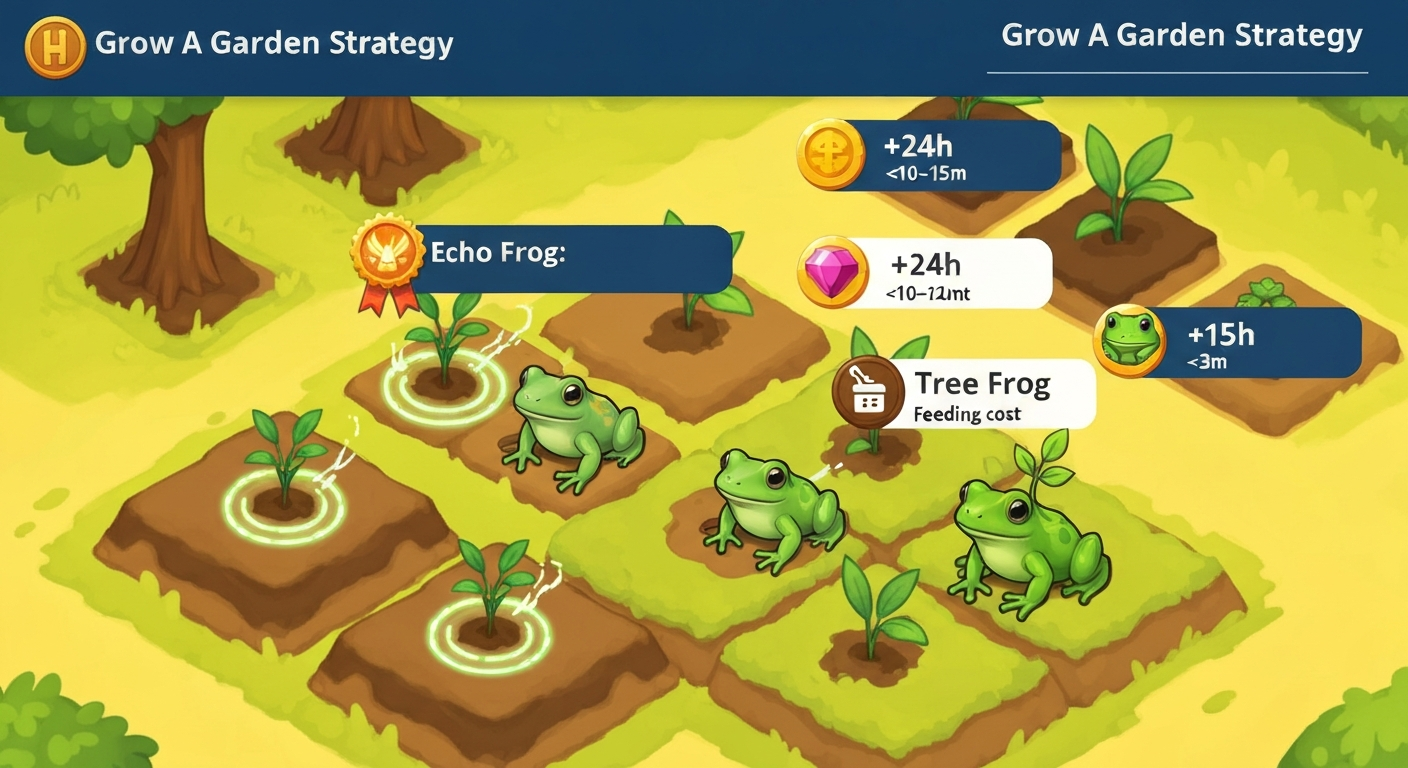
Already covered above, but worth reiterating: if your main goal is harvesting more crops per hour, Triceratops wins this category clearly. The 3:33 timer is fast enough to meaningfully cut cycle times across a full plot, and the 15.18% repeat chance means you get bonus procs often enough to feel it. The community comparison between Triceratops vs Echo Frog in Grow a Garden comes up a lot here because Echo Frog does something similar (advancing a nearby plant by 24 hours every 10 minutes), but the longer cooldown and single-plant targeting make it less consistent for a full garden. Triceratops hits three plants per proc and fires almost three times as often.
Best for harvest duplication: Stegosaurus
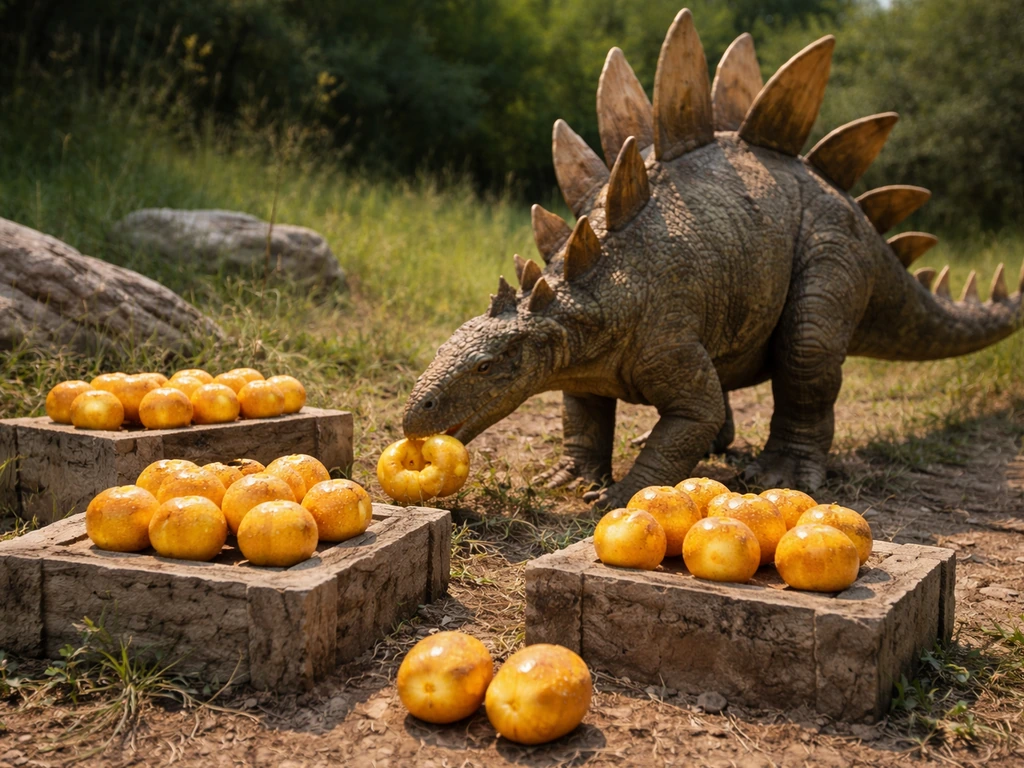
The Stegosaurus runs a passive called Prehistoric Doubling, which gives roughly an 8% chance to duplicate any harvested fruit, with a higher rate specifically for prehistoric-type crops. If you are farming a prehistoric-focused plot, that duplication rate becomes a meaningful multiplier on your total output over a long session. The Stegosaurus has a 28% hatch chance from Dinosaur Eggs, making it one of the more accessible dinosaurs to obtain.
The question of which is better, Stegosaurus or Triceratops, honestly comes down to what you are optimizing: if you want output volume through duplication rather than cycle speed, Stegosaurus is the one to run. The highest-yield farm setup pairs both together, Triceratops accelerating growth and Stegosaurus doubling the harvest at the end of each cycle.
Best for crate and utility efficiency: Parasaurolophus
Parasaurolophus is a Legendary-tier pet that reduces crate opening time, which is a niche but genuinely useful role if your farm loop is built around crate throughput. Parasaurolophus “Crowbar Head” periodically targets the cosmetic crate with the highest remaining open time and reduces that open time by about 81. 12 seconds on roughly a ~79.
15 second interval. It sits at Tier A in most community rankings and carries solid trading value as a result. It will not push your harvest numbers the way Triceratops does, but if crate cycling is a key part of your income loop, Parasaurolophus is worth understanding. The dedicated guide on whether Parasaurolophus is good in Grow a Garden goes deeper into its value versus opportunity cost, which is worth reading before you commit eggs to chasing it.
With a 35% hatch probability from Dinosaur Eggs, it is one of the more likely outcomes from a hatch, so many players end up with one anyway.
Best for egg ROI and huge-pet progress: Brontosaurus
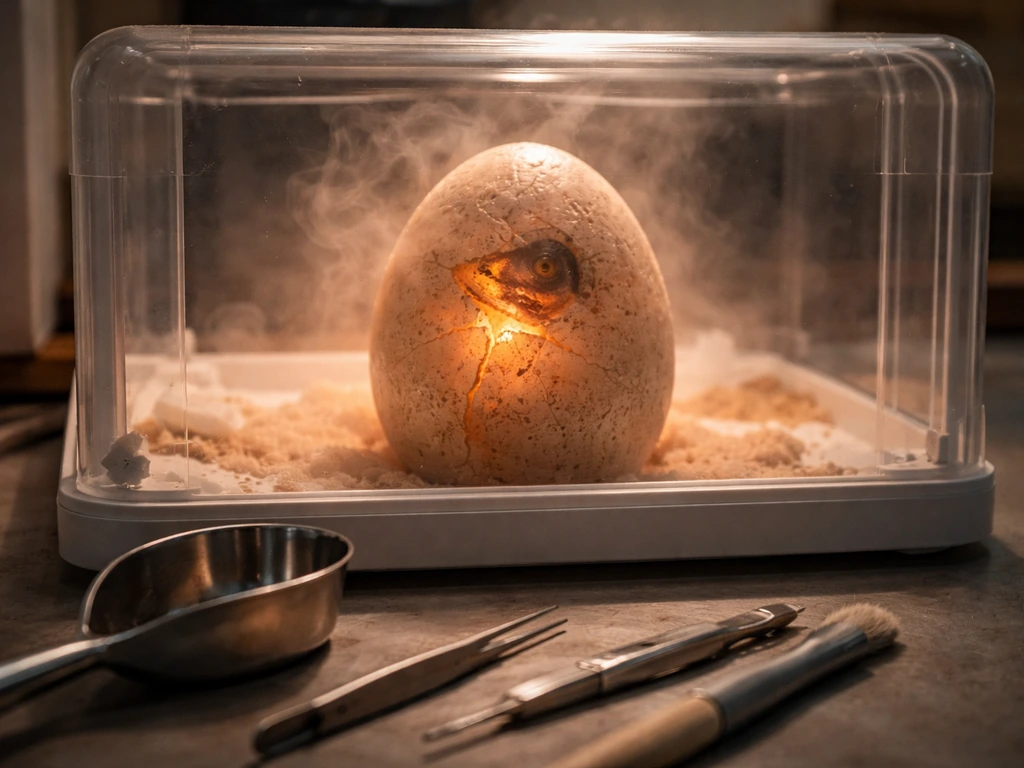
Brontosaurus does something completely different from the others: it has a 5. 39% chance to increase the size and weight of newly hatched pets, capped at a 30% global bonus. This does not help your garden directly. What it does is improve the quality of pets you hatch from Dinosaur Eggs, which matters if you are in a phase of the game where you are grinding egg output to build or improve your roster.
One important note is that the bonus does not apply to Brontosaurus eggs themselves, and Dinosaur Eggs take 4 hours 10 minutes to hatch (though you can speed that up for a cost). If you are doing high-volume egg hatching, Brontosaurus adds compounding value over time that is easy to underestimate.
How to choose the right dinosaur for where you are right now
Your current stage of play should drive the decision more than anything else. Here is how I think about it depending on where you are in your farm progression:
- Early game / just starting dinosaurs: Go for Triceratops first. It delivers immediate, visible value on any farm layout and teaches you the core timing logic that most advanced builds are based on. It is also a strong trading asset if you decide to swap strategy later.
- Mid game / building out a full pen: Add Stegosaurus as your second dinosaur. The Triceratops + Stegosaurus pairing is the community's most-recommended high-yield build for a reason. Growth speed plus duplication is hard to beat for sustained output.
- Late game / optimizing egg pipeline: Brontosaurus becomes relevant here. Once you have your harvest loop sorted, improving the weight and size of hatched pets can meaningfully accelerate your roster quality, especially if you are doing multiple egg hatches per day.
- Utility / crate-heavy farm loop: Parasaurolophus is worth picking up if your income relies heavily on crate cycling. It is not a replacement for Triceratops, but as a secondary slot it does real work.
- Growth speed alternative: If you cannot get a Triceratops yet, Echo Frog (not a dinosaur but often compared to it) is a reasonable bridge. It advances one plant by 24 hours every 10 minutes, which is slower and narrower but still useful while you work toward the real thing.
The practical test for whether you have chosen correctly is simple: after a few harvest cycles, are your plants reaching full growth faster, are your mutation rates improving, and is your per-hour output going up? If yes, your dinosaur is doing its job. If your Triceratops keeps missing because plants are not in range when it procs, the fix is your layout, not the pet.
Quick ranking and what to skip
| Dinosaur | Best Use Case | Tier | Worth Chasing? |
|---|---|---|---|
| Triceratops | Growth speed + mutation spread | S | Yes, top priority |
| Stegosaurus | Harvest duplication (especially prehistoric crops) | A | Yes, strong second slot |
| Parasaurolophus | Crate time reduction, trading value | A | Yes, if crate-focused |
| Brontosaurus | Egg hatch quality / huge-pet progress | B | Yes, at late game |
| Pterodactyl | Windstruck / situational utility | C | Only if you have spare slots |
| Raptor | Limited passive value vs. others | C | Low priority |
| Iguanodon | Limited documented synergies in current meta | C | Skip unless you need it |
| T-Rex | Niche use, lower consistent output vs top tier | C | Skip for now |
Pterodactyl, Raptor, Iguanodon, and T-Rex are not worthless, but in the current meta they do not compete with the top four on a slot-for-slot basis. If you hatch one while going for Triceratops or Stegosaurus, hold it for trading or as a filler, but do not burn egg resources deliberately chasing them unless you have already covered the top picks.
Next steps: what to breed and how to build your pipeline
The most efficient path forward from here looks like this. Start by getting a Triceratops hatched and placed in your pen. Dinosaur Eggs take 4 hours 10 minutes per hatch, so queue them up and let the timer run. Once you have Triceratops active, focus your layout so that your most valuable crops are always within range when Tri-Horn fires, and pay attention to whether Food Chain is spreading the mutations you want. If it is spreading something unwanted, adjust which crops you are harvesting around the ability cycle.
Your second priority should be Stegosaurus to unlock the Triceratops + Stegosaurus high-yield pairing. With Stegosaurus adding roughly 8% duplication on top of Triceratops-accelerated cycles, your effective output per session goes up noticeably. Once both are running, track your per-session totals for a few days. If you are happy with output and want to push further, that is when Brontosaurus starts making sense as a hatching-phase optimizer.
On the trading side, both Triceratops and Parasaurolophus hold solid value in the community market, so if you end up with duplicates, they are worth trading for pets you are still missing rather than sitting on spares. Keep your egg pipeline running consistently, time your hatches around when you can actually monitor them, and build toward the two-dino pairing before worrying about anything else in the roster.
FAQ
If I already have a Triceratops, how can I tell whether my layout is the reason it is underperforming?
Run two short tests back to back. Keep everything the same except plant spacing, then compare procs per cycle (how many times Tri-Horn advances plants) and your per-hour harvest total. If Triceratops procs less often than expected, it is usually because too few crops are in range at firing time, not because the hatch was “bad.”
Does Tri-Horn advance exactly three plants every time, or can it fire with fewer if my garden is sparse?
Tri-Horn triggers on a fixed timer, but if there are no valid crops nearby when it fires, it skips and the cooldown resets. Practically, that means you can see less than full value when your garden is missing crops in the relevant area at the moment of the proc. Keep a steady crop presence in the zone you are designing around.
How should I place crops if I want Food Chain to spread specific mutations instead of spreading everything?
Harvest with the “target” crops so the mutations you want are the ones being consumed and spread during Food Chain. If unwanted mutations are getting propagated, rotate your harvested crop choices and keep the plants you want to receive mutations adjacent to the crops you are harvesting through Food Chain’s spread radius.
Is Triceratops still the best choice if I mainly play for mutations rather than maximum harvest volume?
Triceratops can still be the best general pick because Food Chain turns your faster cycles into mutation propagation, which benefits mutation-focused play. However, if your mutation goal requires a very specific set of crops, you may need to prioritize crop positioning and harvest selection more than raw growth speed, since Food Chain only spreads what you feed into it.
When is Stegosaurus a better buy than focusing on getting more Triceratops procs?
Stegosaurus becomes a stronger decision when your limiting factor is how many fruits you can harvest per cycle, not how quickly they reach full growth. If your garden already fills quickly and the bottleneck is harvest duplication, adding Stegosaurus shifts the multiplier toward the end of your cycle rather than shaving time from the growth phase.
What is the practical difference between “duplication over time” and “cycle speed” in your results?
Cycle speed increases the number of harvest events you get in an hour, while duplication increases the number of fruits you get each time you harvest. If your session time is long, duplication compounds heavily, but if your session is short or you are waiting on growth timers, cycle speed will usually create immediate gains first.
Should I stop chasing other dinosaurs once I have Triceratops and Stegosaurus?
Not necessarily, but you should avoid egg spending that competes with your two-dino engine unless the new pet clearly improves your current bottleneck. In most cases, Triceratops plus Stegosaurus stabilizes output, so other dinosaurs are more relevant for specialized loops (crates, pet-hatching bonuses, or niche fillers) rather than replacing the pairing.
Does Brontosaurus’s hatch bonus apply to every pet you hatch, or are there limits?
The size and weight increase applies to newly hatched pets, but it does not apply to Brontosaurus eggs themselves. It also depends on the hatch process you are running, so it is most valuable during phases where you are intentionally grinding lots of hatches rather than occasionally hatching a few eggs.
If Brontosaurus does not improve my garden directly, when does it become “worth it”?
It becomes worth targeting when your account is in an egg-grind stage where improving the quality of pets you hatch leads to downstream gains (better roster outcomes, trading leverage, or progression). If you are currently blocked by garden cycle efficiency, spend eggs on the farm pets first rather than on Brontosaurus.
What should I do with duplicates of high-value dinosaurs like Triceratops?
If duplicates are piling up, consider trading them for pets you are missing instead of keeping multiple copies in place. The goal is to fill your garden with the highest-impact roles first, and trading typically converts surplus eggs into faster overall progression by completing key combinations.
Are legendary or “A-tier” pets like Parasaurolophus always worth it over Triceratops for new players?
Not always. Parasaurolophus is strong for crate throughput, but it does not increase harvest output the way Triceratops does. If your current income relies on crop harvest volume or mutation spread, prioritize Triceratops first, then add Parasaurolophus once crates are the clearer bottleneck in your loop.
How many harvest cycles should I observe before deciding I chose the wrong dinosaur?
Give it at least a few full harvest cycles so cooldown timing and mutation spreading can average out. If you only test one cycle, random crop counts and spacing can make a good pet look bad. After several cycles, compare per-hour output and whether plants consistently reach full growth sooner.
Next Article
Echo Frog vs Frog Grow A Garden: Breeding, Stats & Tactics
Echo Frog vs Frog (Grow A Garden): data-driven head-to-head with exact stats, breeding recipes, and farm optimization