
Pack Bees do not stack to increase garden growth in Grow A Garden. blank" rel="noopener noreferrer">Their passive gives you roughly +25 backpack capacity and pollinates one plant every ~25 minutes, but neither of those effects compounds or multiplies when you place multiple Pack Bees. If you were hoping to chain a dozen of them for explosive crop output, that's not how they work. They're a storage and light pollination tool, not a garden growth multiplier.
Do Pack Bees Stack to Grow a Garden? Quick Guide

Julian Russo
6 Jul 2026
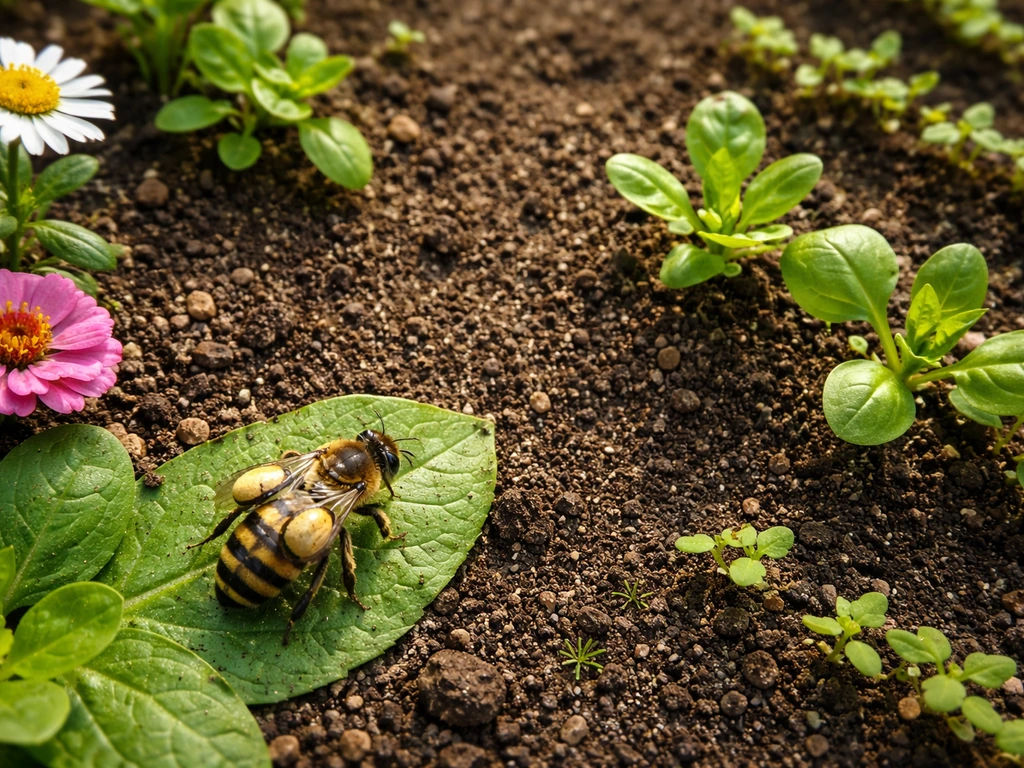
What stacking actually means in Grow A Garden
In Grow A Garden, 'stacking' refers to whether placing or owning multiple copies of the same creature or gear item causes their bonuses to add up (or multiply). The mutation stacking system is the clearest example: Rainbow, Gold, and other mutation multipliers interact with each other multiplicatively, so layering them gives dramatically bigger numbers.
The Mutation Stacking Guide on GAGData explains stacking for mutations like Rainbow and Gold as a multiplicative interaction, which matches how stacking is treated in that mutation context mutation multipliers. Gear items have an explicit 'Stackable' field on the wiki, and most gears do stack.
Creature passives are a different story. Some creature effects stack meaningfully, some give diminishing returns, and some simply don't add up at all beyond the first instance. Sprinklers are a great analogy: players debate endlessly whether same-tier sprinklers stack because the rules aren't always obvious. The key question for any creature is whether its passive is tagged or coded to stack, and whether the effect it modifies (crop yield, growth speed, backpack size) has a stacking cap.
Do Pack Bees count as stackable for garden growth?
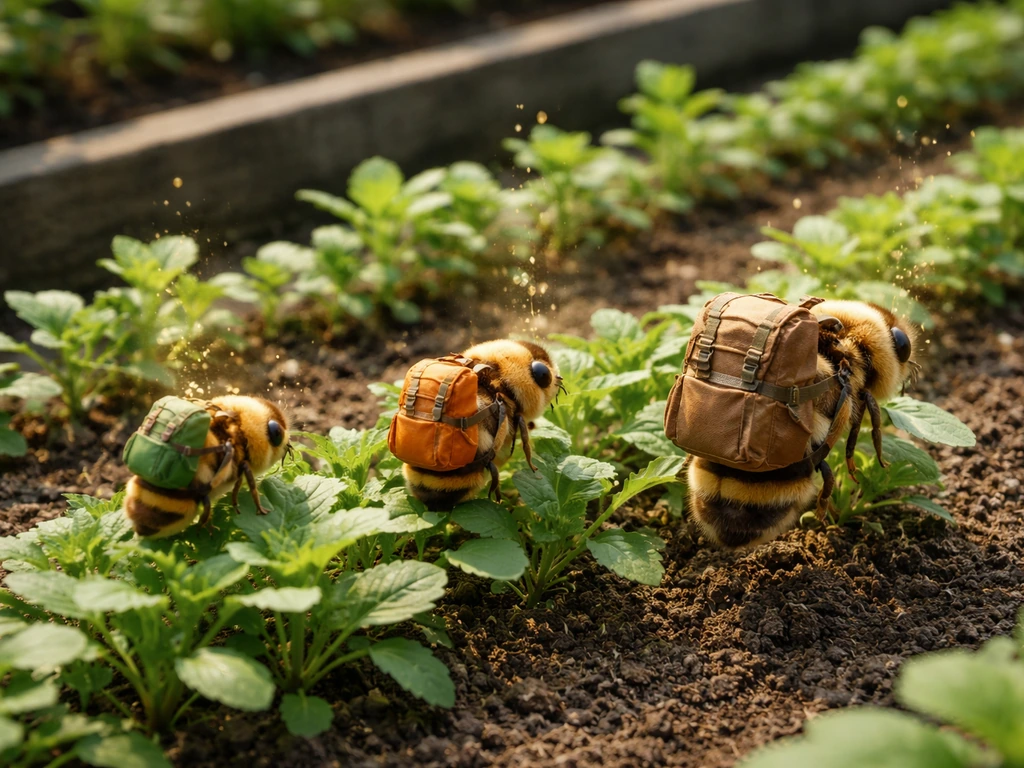
No, and it helps to understand why. Pack Bee's passive has two parts: a flat backpack size boost of approximately 25 slots, and a pollination tick every ~25 minutes that targets a single plant. The backpack bonus is a personal inventory stat, not a garden growth stat. Stacking Pack Bees doesn't multiply crop yields, speed up growth timers, or boost mutation chances on your plots.
The pollination effect is also per-bee, per-cycle, not multiplicative. A second Pack Bee pollinates a second plant every 25 minutes, but since pollination in this context acts as a passive trigger rather than a growth multiplier, the impact on actual garden output is marginal compared to creatures that directly boost growth rate or mutation odds.
Reddit players who've tested this consistently describe Pack Bee as effectively a backpack/storage creature, and many express frustration that it feels 'basically useless unless you have a big garden' where the extra inventory space matters. That's the honest take. If your question was really 'do Pack Bees increase how fast my crops grow,' the answer is no, they don't do that at any quantity. No, Pack Bees do not stack to increase garden growth speed in Grow A Garden.
How to set up Pack Bees for maximum garden output
Even though Pack Bees don't stack growth, there's still a practical optimal setup if you're going to use them. The goal shifts from 'maximize stacking' to 'get the most from their two passives.'
Backpack capacity: one Pack Bee is usually enough
A single Pack Bee gives you +25 backpack slots. That's meaningful if you're harvesting a dense garden and running out of inventory before you finish a loop. However, a second Pack Bee gives you another +25, and so on. The backpack bonus does appear to add up across multiple Pack Bees, but ask yourself whether you actually need 50 or 75 extra slots, or whether a single bee plus smarter harvesting routes solves the problem. For most mid-game players, one Pack Bee covers the gap.
Pollination: spread across your largest plots
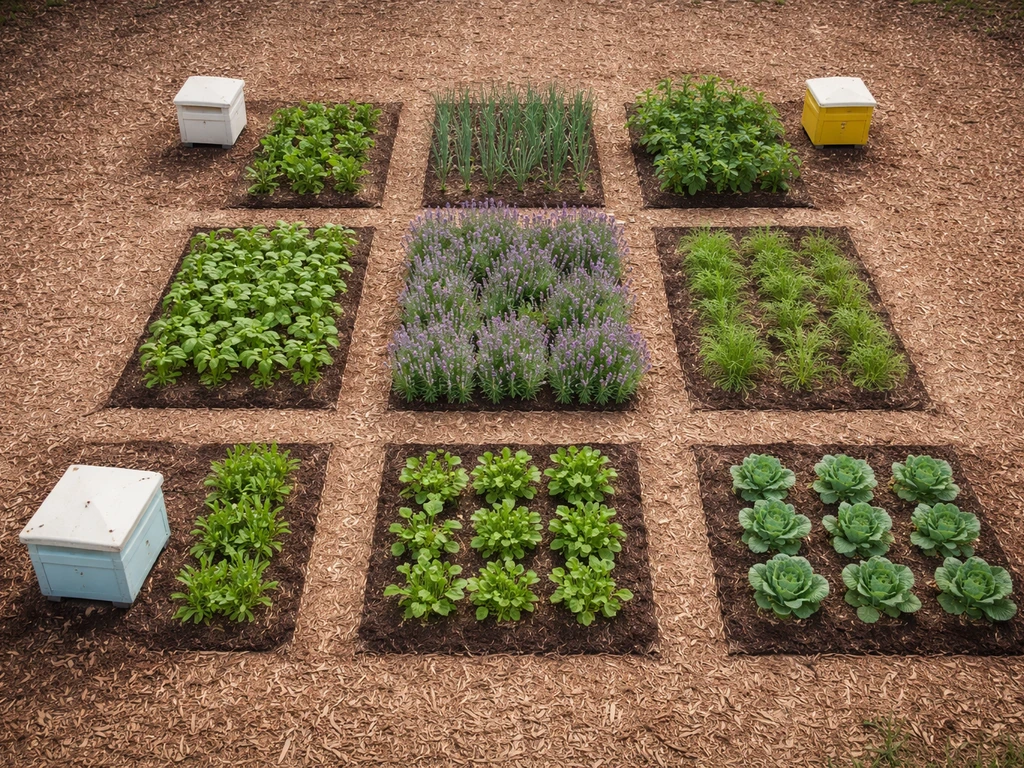
If you run multiple Pack Bees specifically for the pollination ticks, place them where your highest-value crops grow. The Garden Layout Guide recommends a 3x3 plot design with the center tile left empty as a common efficient layout, and that kind of dense arrangement gives pollination effects more targets to work with. One Pack Bee pollinates one plant per ~25 minutes, so three Pack Bees can cover three plants per cycle. That's not transformational, but if you're growing rare or high-value crops that benefit from pollination triggers, it's a small passive bonus running in the background.
- Assign one Pack Bee to your main harvest area to cover backpack overflow during large harvests
- If running multiple Pack Bees, position each near a different dense plot so pollination ticks hit different high-value plants
- Avoid clustering all your Pack Bees on a single plot since their pollination triggers don't compound on the same plant
- Pair Pack Bees with a creature that actively boosts growth speed or mutation rate so your plots are doing real work between pollination ticks
Limits, efficiency, and how Pack Bees compare to other creatures
The honest efficiency verdict is that Pack Bees are a support creature, not a growth engine. Does Stegosaurus stack in Grow A Garden? The general rule is to check whether its passive is coded to stack and if it affects growth or yield with a stacking cap support creature. If your objective is maximizing garden output, you'll get far more from creatures whose passives directly interact with growth multipliers, mutation stacking, or crop yield. Pack Bees solve an inventory problem, not a growth problem.
| Creature | Primary Effect | Stacks for Growth? | Best Use Case |
|---|---|---|---|
| Pack Bee | +25 backpack / pollinate 1 plant per ~25 min | No | Inventory management, large harvests |
| Giant Ant | Hauls/moves crops or boosts carry | Worth checking separately | Resource logistics |
| Brontosaurus | Passive growth/area effect | Worth checking separately | Plot-wide output |
| Gorilla Chef | Cooking/crafting boost | Worth checking separately | Processed item value |
| Stegosaurus | Growth or defense passive | Worth checking separately | Sustained farm output |
Whether creatures like Giant Ants, Brontosaurus, Gorilla Chef, or Stegosaurus stack in ways that Pack Bees don't is a separate question for each one, and the answers vary. Giant Ants are another creature where you should verify the passive details to see whether their effects stack in Grow A Garden. The consistent rule is: check the specific passive, check whether it modifies a stat that the game's stacking math applies to, and test it with two units before committing resources to a larger stack.
For Pack Bees specifically, there's no diminishing returns problem to worry about because there's no meaningful stacking upside in the first place. Running two or three for the cumulative backpack boost is fine if inventory is genuinely your constraint. Beyond three, you're spending creature slots that could host something that actively accelerates your garden.
How to verify growth and stacking are actually working
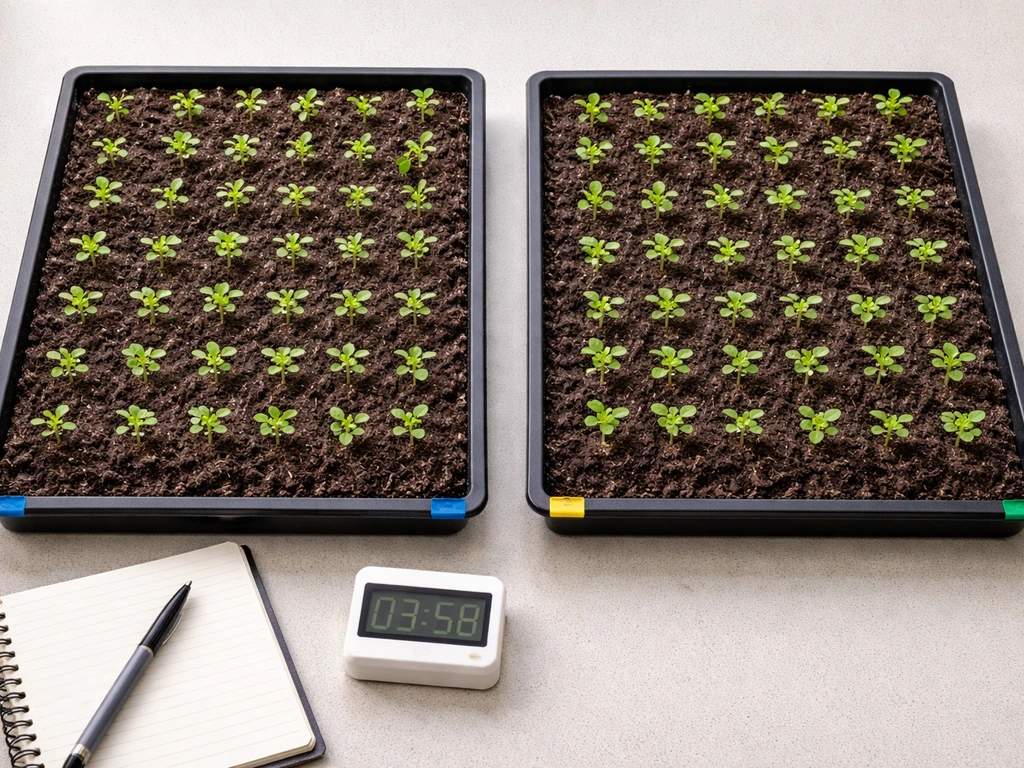
Testing any creature's stacking behavior takes about five minutes and a notebook (or screenshot). Here's a clean method:
- Plant the same crop type in two identical plots with no creatures assigned to either
- Note the base growth timer for that crop
- Assign one Pack Bee to plot A, leave plot B empty, and record the growth timers for both after one full cycle
- Add a second Pack Bee to plot A and repeat the comparison
- If the growth timer on plot A shortens each time you add a Pack Bee, you have evidence of stacking; if the timer stays the same, the effect isn't touching growth speed
- Separately check your backpack slot count before and after each Pack Bee assignment to confirm the +25 bonus is applying
Based on everything currently documented, you should see your backpack count increase with each Pack Bee but no change in crop growth timers. That's the expected result. If your results differ, it may reflect a recent game update or a mechanic change that hasn't been captured in public guides yet, so check the Grow A Garden wiki or community patch notes to see if Pack Bee's passive was modified.
Common mistakes and troubleshooting when growth doesn't increase
If you placed Pack Bees expecting a growth boost and nothing changed, you're not doing anything wrong. The creature just doesn't do that. But there are a few other reasons growth rates might feel stuck that are worth ruling out:
- Wrong creature expectation: Pack Bee's passive is backpack capacity and pollination, not growth speed. If you want growth speed, you need a different creature type entirely.
- Pollination confusion: The pollination tick every ~25 minutes is not the same as a growth multiplier. Pollination may trigger certain crop-specific effects, but it doesn't shorten the base growth timer.
- Creature slot misallocation: If you're stacking Pack Bees to 'do something' with growth, you're using slots that a growth-boosting creature could occupy. Swap one Pack Bee for a creature with a verified growth passive and re-test.
- Mutation stacking confusion: Players sometimes conflate backpack/pollination passives with mutation stacking math. Mutation stacking is a separate system that applies to Rainbow, Gold, and similar mutation multipliers, not to Pack Bee's passive.
- Gear vs. creature confusion: The game's stacking rules documented for gears don't automatically transfer to creature passives. A gear item marked 'Stackable' on the wiki tells you nothing about whether a creature's passive stacks.
- Outdated information: Grow A Garden updates frequently. If a community source says Pack Bees stack growth and your in-game testing shows otherwise, trust your test. Always verify with the current patch.
The fastest fix if you want better garden output right now: keep one Pack Bee if inventory is a problem, then fill your remaining creature slots with units whose passives directly touch crop yield, growth timers, or mutation multipliers. Pack Bee is a utility pick, and knowing that clearly lets you build around it rather than expecting it to carry growth numbers it was never designed to move.
FAQ
If multiple Pack Bees do not multiply yields, will they at least pollinate more plants at the same time?
Yes, but only in the sense that more bees can pollinate more individual plants per cycle. Pack Bee’s pollination does not act like a multiplicative growth or yield modifier, so it will not produce explosive output from stacking.
What should I use instead of Pack Bees if I want my crops to grow faster or mutate more often?
Not as a growth strategy. If your goal is faster crop growth timers or higher mutation odds, prioritize creatures whose passives explicitly modify growth rate, yield, or mutation chance (and confirm they are stackable). Pack Bees mainly help with storage, not garden acceleration.
How many Pack Bees are worth it for the backpack benefit before it becomes a waste of creature slots?
You can treat it as a slot-efficiency decision. If you routinely run out of backpack space mid-harvest, one Pack Bee usually covers the issue. Add a second only if you can point to a specific inventory bottleneck (for example, you can’t finish a loop without banking items).
Does my garden layout or crop density change how effective Pack Bees are for pollination ticks?
Roughly, but the limiting factor is how many different plants are eligible when the tick happens. With a dense layout, more plants are within reach of the pollination system, but you should not expect one-to-one scaling with the number of bees if your garden has empty tiles, low-eligible crop count, or timing gaps.
What’s a reliable way to test Pack Bee stacking effects in my own save (without misleading results)?
Your tests should include two Pack Bees placed during the same crop phase and a control with one Pack Bee, then compare harvest outcomes over multiple pollination intervals. The key check is whether crop growth timers or mutation rates change, not just whether pollination happens.
If Pack Bees do not speed growth, can they still make my farming faster in practice?
It can help, but only for the harvest workflow. Pack Bee does not reduce crop growth timers, but more backpack space can mean fewer trips to storage, which indirectly improves how quickly you get through your harvest routine.
What could explain it if my stacked Pack Bees appear to affect growth rate?
If you see any difference in crop growth timers when stacking, it’s most likely due to another active mechanic or an update, not Pack Bee itself. Rule out other multipliers (gear, mutations, or other creatures) and verify the passive behavior with a two-unit test.
Should I keep Pack Bees long-term, or are they mainly for early game when inventory is tight?
For most mid-game players, yes. Since the pollination is marginal and the growth speed does not change, Pack Bee is best kept as a utility slot. When inventory is solved, reallocating creature slots to growth or yield focused passives typically produces more output.
Next Article
Does Gorilla Chef Stack in Grow a Garden? Tested Answer
Tested answer on whether Gorilla Chef stacks in Grow a Garden, including limits, expected boost, and how to verify fast.