
Dragonfly is better than Spino for most players right now. It triggers every ~5 minutes to turn a random crop gold, it works passively with almost no setup, and it delivers consistent value across long farming sessions. Spino has a more complex and potentially higher-ceiling ability, but it comes with real failure modes, setup requirements, and reported bugs that make it unreliable unless your garden is specifically built around it.
Is Spino Better Than Dragonfly for Grow a Garden?

Julian Russo
20 Jun 2026
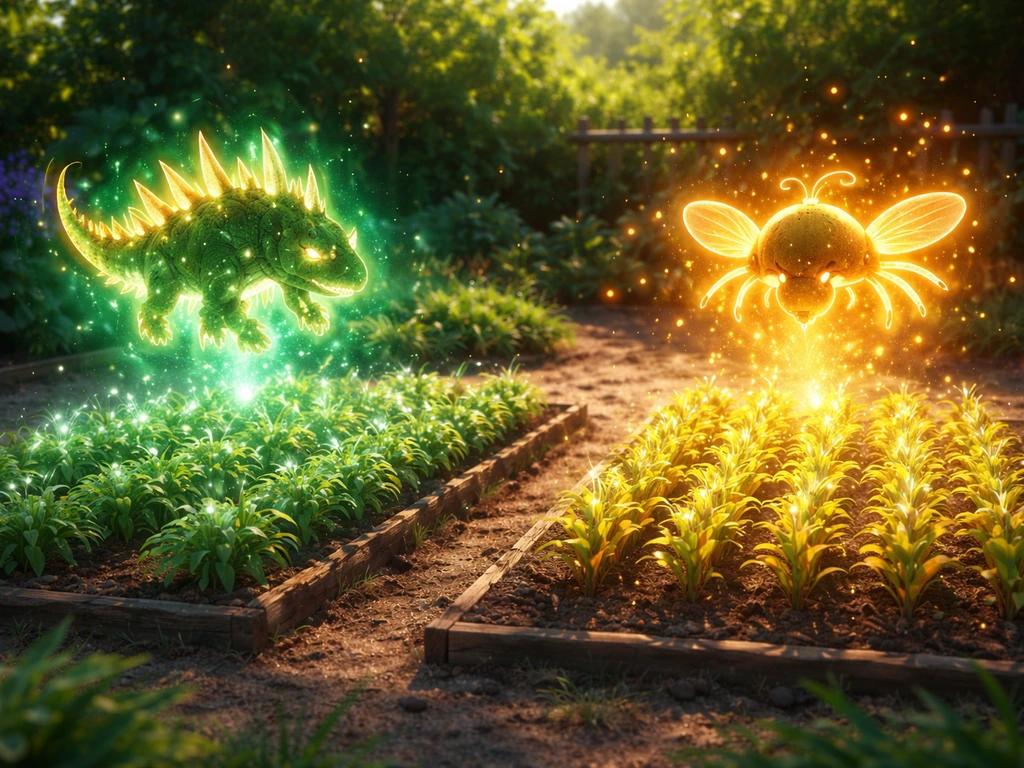
What 'better' actually means here
Before diving in, it helps to define what we're comparing. 'Better' in Grow A Garden usually means one of three things: which pet generates more value per session, which is easier to make work consistently, and which is worth your time and Sheckles to obtain. Dragonfly wins on reliability and ease. Spino has a higher theoretical ceiling if you build around it, but it falls apart without the right setup. This article compares both across all three of those lenses so you can decide which fits your actual situation.
Spino in Grow A Garden: what it does and when it's useful
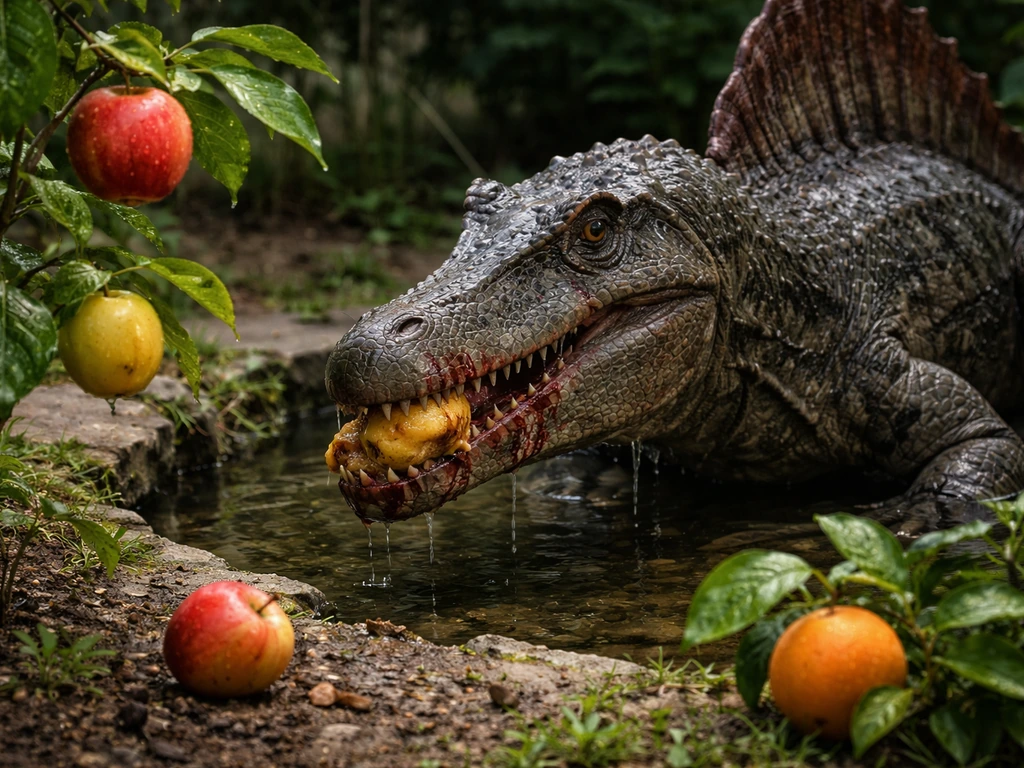
Spinosaurus runs a passive called Food Chain. Roughly every 19 minutes and 33 seconds, it devours a random mutation from up to three different fruits in your garden, then redistributes those mutations onto other fruit, prioritizing whatever fruit you've set as a favorite. The idea is smart: pull rare mutations from crops that don't need them and stack them on your most valuable ones.
The catch is a brutal failure mode. If you have four or fewer fruits in your garden when Spino triggers, it can eat the mutations without being able to spit them back out. The mutations are gone, the cooldown starts, and you get nothing. That's not a rare edge case either, it's something players hit regularly and it's the subject of multiple bug reports and community threads. Some players also report the ability flat-out failing to trigger correctly even with large gardens, likely due to how favorite-targeting and existing mutation coverage interact.
Spino is hatched from the Primal Egg, which takes 4 hours and 10 minutes to hatch and has a 0.5% hatch chance for Spino specifically. That's a rare pull. When it works in the right garden, Spino's mutation consolidation is genuinely powerful, especially for players who have lots of crops and want to concentrate mutations on a single high-value plant. But it's a pet that demands you play around it, not one that helps you passively.
- Ability: Food Chain, triggers roughly every 19m 33s
- Source: Primal Egg (4h 10m hatch time, 0.5% chance)
- Best use: large gardens (5+ fruits active) with a clear favorite fruit target
- Failure mode: triggers on gardens with 4 or fewer fruits, consuming mutations with no redistribution
- Community-reported issues: ability not triggering, cooldown resetting without effect, targeting problems
Dragonfly in Grow A Garden: what it does and when it's useful
Dragonfly's ability is simpler and more immediately valuable for most farm setups. Every ~5 minutes, it turns a random crop in your garden into a gold crop. That's it. No conditions, no minimum fruit count, no failure mode tied to your garden layout. You run a long session, Dragonfly keeps firing, and you accumulate gilded crops that are worth more at harvest.
The cadence is what makes it strong. At roughly 5-minute intervals, Dragonfly triggers about 12 times per hour. Compare that to Spino firing about 3 times per hour, and even accounting for Spino's higher-impact per trigger when conditions are right, Dragonfly is putting in a lot more work over a 2-3 hour session. There's also a reported interaction where having gold or rainbow crops can reduce Dragonfly's effective cooldown further, meaning a well-developed garden can make Dragonfly even faster.
Dragonfly comes from the Bug Egg, which costs 50,000,000 Sheckles and takes 8 hours to hatch. The hatch chance for Dragonfly is around 1%, which is actually better odds than Spino's 0.5% from the Primal Egg. It's still rare, but relatively speaking, Dragonfly is more accessible. The pet does have some reported inconsistencies in triggering, so it's not 100% bulletproof either, but the failure modes are far less punishing than Spino's mutation-eating scenario.
- Ability: turns a random crop gold approximately every 5 minutes
- Source: Bug Egg (8h hatch time, ~1% chance, costs 50,000,000 Sheckles)
- Best use: any garden size, especially long passive farming sessions
- Failure mode: occasional trigger inconsistencies, but no destructive outcome like Spino's
- Cooldown can decrease with gold/rainbow crops already present in your garden
Side-by-side: performance, viability, and value

| Category | Spinosaurus | Dragonfly |
|---|---|---|
| Ability type | Food Chain (mutation redistribution) | Gilding (random crop turned gold) |
| Trigger cadence | ~Every 19m 33s (~3x/hour) | ~Every 5 minutes (~12x/hour) |
| Source egg | Primal Egg (4h 10m hatch) | Bug Egg (8h hatch) |
| Hatch chance | 0.5% | ~1% |
| Egg cost | Primal Egg (shop) | 50,000,000 Sheckles |
| Setup requirement | 5+ fruits, favorite fruit set correctly | None, works in any garden |
| Failure mode | Eats mutations without redistributing if ≤4 fruits | Occasional trigger miss, no mutation loss |
| Session type | Active management, large gardens | Passive, any session length |
| Reliability | Moderate (bugs reported, conditional) | High (simple mechanic, consistent) |
| Ceiling potential | High (stacks rare mutations on best crop) | Moderate (consistent gold accumulation) |
The headline number is the cadence gap. Dragonfly triggers four times more often per hour than Spino. Even if every single Spino trigger worked perfectly, you'd need each one to deliver four times the value of a single Dragonfly gild to break even. That can happen in a perfectly optimized large garden, but for 90% of players it doesn't in practice, especially when you factor in Spino's reported ability issues.
Breeding strategy: which is easier to get and work with
From a pure acquisition standpoint, Dragonfly is the better target. A 1% hatch rate from Bug Eggs is meaningfully better than Spino's 0. Bug Egg is purchasable from the Pet Egg shop and it takes 8 hours to hatch blank" rel="noopener noreferrer">A 1% hatch rate from Bug Eggs is meaningfully better than Spino's 0.. 5% from Primal Eggs. If you're cycling eggs to get one of these two pets, you'll statistically pull a Dragonfly in roughly half as many attempts. The Bug Egg's 8-hour hatch time is longer than the Primal Egg's 4 hours and 10 minutes, but the better odds more than offset that when you're running multiple egg cycles.
Once you have the pet, Dragonfly also requires far less ongoing effort to keep it valuable. Spino demands that you maintain a specific garden state: 5 or more active fruits, a correctly configured favorite target, and the right spread of mutations for it to work with. If your garden changes, shrinks during a session, or your mutations aren't set up to interact well, Spino underperforms or outright fails. Dragonfly just runs. That simplicity is worth a lot, especially if you're running multiple things at once or playing in bursts.
For players interested in the Spino versus T-Rex debate, community consensus suggests T-Rex outperforms Spino in larger gardens because it has a cleaner ability mechanic. If you're comparing pet options like this in Grow A Garden, T-Rex is often worth considering too, especially for players focused on larger gardens and cleaner mechanics. Spino was designed as an inverted version of T-Rex's ability, but the inversion introduces complexity that doesn't always pay off. If you're chasing a mutation-focused pet and can't get Dragonfly, T-Rex is often the better fallback over Spino.
Which one fits your farm right now
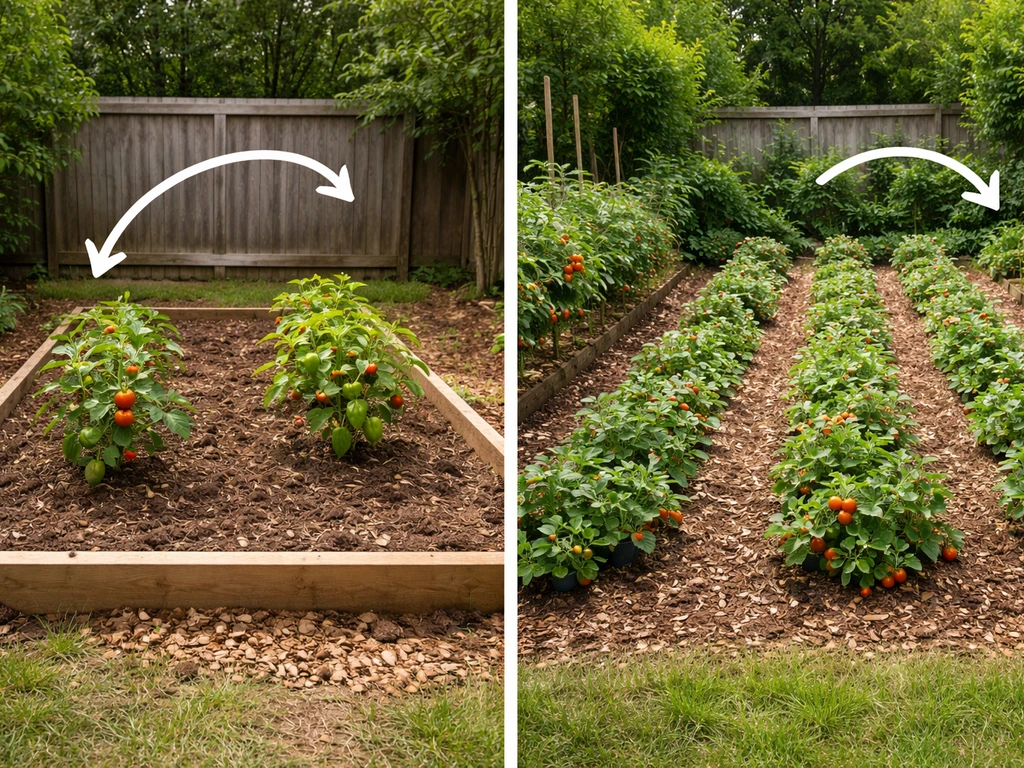
Here's the decision rule in plain terms: if you're asking which pet to chase or use today, go Dragonfly. If you are wondering whether Dragonfly is the better pick for a garden you can set up quickly, the cadence and reliability comparison above is what to focus on better than dragonfly. If you already have Spino and your garden has 6+ active fruits with a clear favorite mutation target, it's worth using alongside other pets, but don't prioritize it over Dragonfly if you're still building your roster.
Let's break it down by scenario:
- Starting out or small garden (fewer than 5 fruits): Dragonfly is the clear pick. Spino is actively risky here because of the mutation-loss failure mode.
- Mid-game player building a passive farm: Dragonfly. Long sessions plus consistent gilding is exactly what it's built for.
- Hardcore optimizer with 6+ fruits, favorite set, good mutation spread: Spino can earn its spot, but pair it with Dragonfly rather than choosing one over the other.
- Focused on breeding efficiency and minimizing egg cycles: Target Dragonfly first. Better hatch odds and simpler operation mean faster return on your Sheckles.
- Already have Spino and wondering if you should grind for Dragonfly: Yes, Dragonfly is worth pursuing even if you already own Spino.
It's also worth noting that other comparisons in this space, like Dragonfly versus Raccoon or Dragonfly versus Raiju, follow a similar pattern: Dragonfly consistently holds up as one of the most reliable value-generating pets because of how frequently and passively it fires. That consistency is hard to beat unless a specific pet has a dramatically higher per-trigger impact in your exact setup.
What to do today to move forward
- If you don't have either pet yet, start cycling Bug Eggs toward Dragonfly. At 50,000,000 Sheckles per egg and ~1% odds, budget for multiple attempts and prioritize Sheckle farming between hatches.
- If you have Spino already, count your active fruits before your next session. If you're regularly running 5 or fewer, park Spino and use a different pet until your garden scales up.
- To verify Dragonfly is working in your session, check your crops every 10-15 minutes for new gold crops. You should see at least 2 per 10 minutes if Dragonfly is firing correctly.
- To verify Spino is working, watch for mutation changes on your favorite fruit after roughly 20-minute intervals. If you see no changes after an hour and your garden has 5+ fruits, there may be a bug worth reporting.
- Check the current patch notes before committing a major Sheckle investment. The meta shifts with updates, and hatch rates or ability values can change. What's listed here reflects the current known data as of mid-2026.
The bottom line: Dragonfly is the safer, more consistent, and easier-to-access choice for the vast majority of Grow A Garden players. Spino isn't bad, but it requires a specific garden configuration to avoid punishing you, and it fires so infrequently that even a perfect Spino run struggles to match what Dragonfly puts out over a full session. Unless you're deep into late-game optimization with a large garden built specifically around mutation consolidation, Dragonfly is the better pet to chase and use.
FAQ
How can I tell if my garden is “big enough” for Spino to avoid the mutation-eating failure?
Before each session, make sure you have at least 5 active fruits in your garden at the moment Spino triggers, not just at the start. If you routinely harvest and your count dips during the session, Spino can still eat mutations and return nothing for that cycle.
What does Spino’s “favorite” setting actually do, and how should I choose it?
Spino prioritizes redistributing mutations onto the fruit you mark as your favorite. Pick a fruit that already has the most value for your current goals, and avoid switching favorites mid-session, since the redistribution depends on the garden state at trigger time.
Can Spino be worth using even if I do not have a perfect mutation setup?
Usually not, because imperfect mutation coverage increases the chance that Spino either moves less valuable outcomes or triggers in a garden state where it cannot safely redistribute. If you cannot clearly identify which mutations you want to consolidate, Dragonfly’s always-on gold conversion is the safer choice.
If I already pulled Spino, should I stop chasing Dragonfly?
In most cases, no. Spino’s upside only shows up with a larger, carefully managed garden and correct favorite-targeting, while Dragonfly keeps generating value continuously. Many players treat Spino as a supplemental pet once Dragonfly is already covered.
Does Dragonfly get meaningfully faster if my garden has many gold or rainbow crops?
Players report that having gold or rainbow crops can reduce Dragonfly’s effective cooldown, meaning you may see more than the baseline cadence in practice. However, treat that as bonus performance, not something you should rely on to compensate for Spino’s higher-impact but punishing failure mode.
What’s the practical break-even point if I want Spino to match Dragonfly?
Because Dragonfly triggers about four times per hour, Spino needs each successful trigger to deliver roughly several times the value of a single Dragonfly gild, and only when Spino’s redistribution actually succeeds. In real sessions, that usually means you need both a large garden and correct setup for Spino’s theoretical edge to matter.
Why might Spino “fail to trigger” even when my garden has many fruits?
Reported cases point to edge interactions between favorite-targeting and existing mutation coverage. If your garden is large but you have uneven mutation distribution, you may experience triggers that appear to underperform. A good test is to compare results after changing only your favorite fruit, keeping everything else constant.
Does harvesting cadence during a session affect either pet?
Yes for Spino. If you harvest down to 4 or fewer fruits around the time Spino triggers, you can lose that cycle’s mutations. For Dragonfly, harvesting mainly affects which crops are available to turn gold, but it does not create the same “can’t redistribute” failure window.
Is it better to prioritize unlocking pets through eggs, or should I focus on improving my current garden first?
If your goal is faster reliable income, start by stabilizing your garden so Dragonfly can fire on a steady set of crops. Once you have a consistent foundation, then consider targeting Spino if you can maintain 5+ fruits and a clear favorite target, since Spino is more sensitive to day-to-day garden changes.
How should I choose between Spino and T-Rex if I’m optimizing for a large late-game garden?
If you want fewer moving parts, community consensus generally favors T-Rex over Spino in larger gardens because its mechanics are cleaner. Choose Spino only if you specifically want mutation consolidation and you are willing to manage favorite targeting and garden state to avoid wasted triggers.
Next Article
Is Raiju Better Than Dragonfly in Grow a Garden?
Raiju vs Dragonfly in Grow a Garden: which boosts yields, breeding efficiency, and overall farm value for your stage and