
The tiger bug in Grow a Garden is actually the Tiger pet, a Divine-rarity creature you hatch from the Jungle Egg at a 1% chance. There is no breeding chain to work through. Your entire job is to get Jungle Eggs, hatch as many as possible, and then keep your Tiger fed and active once you land one. Everything below walks you through exactly how to do that efficiently.
Grow a Garden Tiger Bug Guide: Hatch, Raise, and Farm

Julian Russo
9 Jun 2026
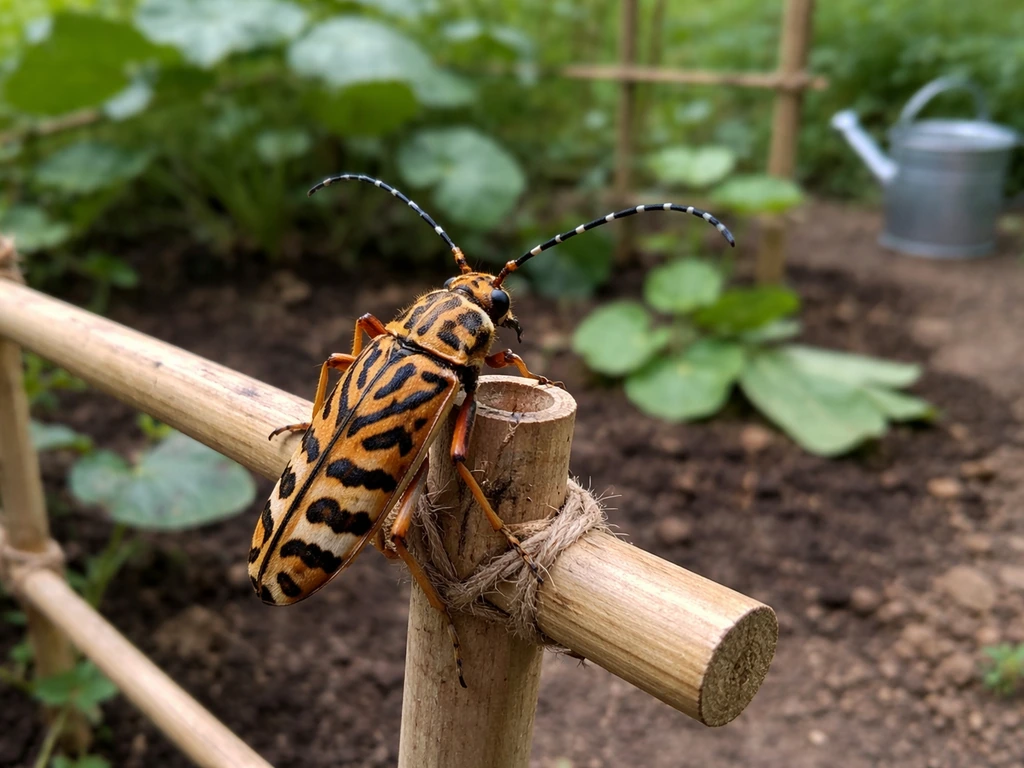
What the Tiger Actually Is (and How to Spot It)

The Tiger is categorized as a Divine-tier pet, which puts it near the top of the rarity ladder. It was introduced during the Seed Stages Event, and its pool is specifically tied to the Jungle Egg rather than general egg pools. Visually, it's easy to recognize: orange body with black and white markings, a striped tail, visible whiskers, and fangs. If you see that model walking around someone's garden, that's your Tiger. There's no ambiguity with other creatures.
The Tiger has two distinct passive abilities that define its gameplay value. First, roughly every 12 minutes it roars and pulls all pets in your garden toward it, distributing XP to each pet with a cap of 800 XP per pet per cycle. Second, every 7 minutes and 50 seconds it roars again and replaces 3 random mutations in your garden with other random mutations. That second mechanic is powerful but chaotic, and there are some important limits to understand before you deploy one on your farm.
Unlocks and Prerequisites Before You Start
You do not need any special breeding unlocks to obtain the Tiger. What you do need is access to the Jungle Egg. There are two ways to get Jungle Eggs: through Seed Stages upgrades during the Seed Stages Event, or by purchasing them directly from the Pet Egg Shop when they are in stock. The Egg Shop restocks on a cycle, so if Jungle Eggs are not currently available, you are waiting for either a restock or the event to be active.
Before you commit a large number of Jungle Eggs to hatching, make sure you have enough open pet slots to hold what you hatch. You can expand your total pet capacity through ascension rewards, game passes, or by purchasing additional space. If you are already at your slot cap, any newly hatched pet will be inaccessible or wasted. Check your slot count first, especially if you plan to run volume hatching.
- Access to the Seed Stages Event (for Jungle Egg drops via upgrades) OR the Pet Egg Shop when Jungle Eggs are in rotation
- Enough pet slots open to accommodate hatched pets
- Resources to feed a high-hunger pet (the Tiger's hunger requirement is 100,000, one of the highest in the game)
- A garden plot active and ready to place eggs into for hatching
Step-by-Step: How to Hatch and Raise a Tiger
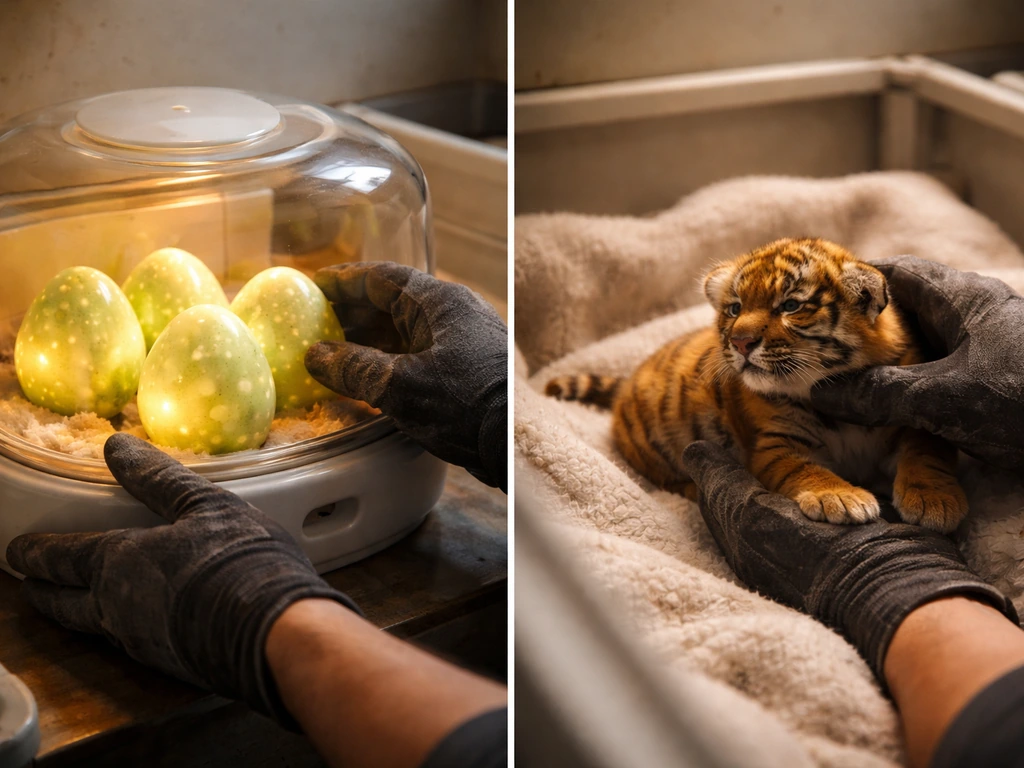
Since the Tiger comes purely from the Jungle Egg, your process is straightforward but volume-dependent. At a 1% hatch rate, you should statistically expect to open around 100 Jungle Eggs before landing one, though variance means it could take far more or fewer.
- Acquire Jungle Eggs: Use the Seed Stages Event upgrade path or buy from the Pet Egg Shop during a Jungle Egg stock cycle. Stack as many as you can before hatching.
- Open your garden and equip a Jungle Egg. Place it into your garden to begin the hatching process.
- Wait for the egg to hatch. Hatching happens automatically over time once the egg is placed. Certain pets or boosters in your garden can accelerate hatch speed, so use any hatch-speed pets you already own during this phase.
- Check each hatch result. Most hatches will not be Tiger. Log the pet you received and either keep or release it based on your farm needs.
- Repeat with your next Jungle Egg immediately. Do not leave your garden idle between hatches. Time spent not hatching is opportunity cost.
- Once you land a Tiger, place it in your main garden and begin feeding it immediately to activate its passive abilities.
A quick note on the Pet Incubator: it was added as a prismatic cosmetic during the Fairy Event update. If you have access to incubation tooling, use it within your hatching workflow to maximize throughput. But incubation is an enhancement, not a requirement. The core process above works without it.
Optimal Growth Conditions: Feeding, Timing, and Care
The Tiger has a hunger value of 100,000, which is among the highest of any pet in the game. This matters because hunger must be satisfied for a pet to grow older and keep its passives active. If your Tiger goes unfed, it stops aging and its roar mechanics do not trigger. Treat feeding as a non-negotiable part of your daily routine.
You feed pets through harvested crops from your garden or via the pet menu directly. The most efficient setup is having a high-yield crop section dedicated to generating food, so you are not constantly buying or trading for feed. Given the 100,000 hunger requirement, you want crops that produce in volume, not just value. Prioritize reliable harvestable volume over rare single-yield plants for your feeding crops.
For timing, keep the Tiger's two roar cycles in mind: the XP-share roar fires every 12 minutes, and the mutation-swap roar fires every 7 minutes 50 seconds. To benefit from the XP-share mechanic, make sure your other pets are present and active in the garden during those windows. The Tiger calls them to its location automatically, so positioning matters less than just having them deployed.
The Mutation Mechanic: What to Know Before You Deploy

The mutation-swap passive is the Tiger's most impactful and most dangerous feature. Every 7 minutes and 50 seconds, it replaces 3 random mutations in your garden with other random mutations. There are three hard limits you need to understand:
- It ignores favorited fruit. Favoriting does not protect your mutations from being swapped out.
- It cannot bring back mutations from past events. If you are hoping to recover a limited-time mutation, the Tiger cannot do that.
- It cannot replace a mutation with the base components of a combined mutation. For example, if Chilled and Wet combine into Frozen, the Tiger will not produce Chilled or Wet as replacements for Frozen.
This means if you have a garden with carefully cultivated mutations you want to keep, deploying a Tiger without understanding this mechanic will destroy your setup on a regular cycle. The Tiger is not a passive decoration. It is actively reshaping your garden every few minutes. Use it intentionally, in a garden where mutation variance is acceptable or desirable, not in a meticulously maintained plot.
Avoiding Common Failures
Wrong Egg Pool
The Tiger only comes from Jungle Eggs. If you are hatching other egg types and wondering why you are not getting a Tiger, that's why. Do not waste Jungle Eggs chasing other creatures, and do not waste non-Jungle Eggs hoping for a Tiger. Match egg type to target creature before you start.
Hatching with No Open Slots
If your pet slots are full when an egg hatches, you lose the result. Always verify your available slot count before running a hatching session. This is especially important when doing volume hatching across many Jungle Eggs in one sitting.
Neglecting Hunger
The Tiger's 100,000 hunger is not a one-time cost. It is an ongoing requirement. Players who hatch a Tiger and then let hunger lapse will find the passives stop working and growth stalls. Build your feeding infrastructure before you need it, not after you land the Tiger.
Deploying in the Wrong Garden
As covered above, the mutation-swap passive will fire on your garden automatically. If you place a Tiger in a garden where you are protecting specific mutations, you will lose them. The fix is simple: designate a separate garden plot for Tiger use, one where you are fine with random mutation cycling. If you are also growing dragon fruit bug mutations, keep your Tiger farm separate so the mutation swaps do not disrupt your dragon fruit setup.
Egg Shop Timing Misses
Jungle Eggs are not always available. If you are checking the shop and not seeing them, you are likely between stock cycles or outside the active event window. Monitor shop restock timings and the Seed Stages Event schedule so you can stock up when eggs are available rather than trying to buy one or two at a time.
Is the Tiger Worth It? Viability and Value
Yes, the Tiger is worth pursuing if your goal is passive XP distribution across your pet roster or active mutation cycling. Its Divine rarity means it is rare enough to hold trade value, and the dual-roar mechanic makes it one of the more mechanically interesting pets in the game. That said, it is not universally useful for every farm setup.
| Mechanic | What It Does | Best Use Case | Risk |
|---|---|---|---|
| XP Share Roar (every 12 min) | Pulls all pets, shares up to 800 XP per pet | Leveling multiple pets simultaneously | Low — purely beneficial |
| Mutation Swap (every 7:50 min) | Replaces 3 random mutations in garden | Farms where mutation variance is welcome | High — ignores favorites, can destroy curated setups |
| Hunger Requirement | 100,000 hunger to stay active | Any farm with high crop output | Medium — requires sustained feeding infrastructure |
Compared to other insect-adjacent pets like the Praying Mantis or Dragonfly, the Tiger sits in a different lane entirely. If you are choosing between insect pets, Praying Mantis builds can also be a solid option depending on the effects you want from your garden. Dragon's breath can also be grown indoors in the right conditions, so it is worth knowing the setup requirements before you try it indoors can dragon's breath grow indoors. Whether a Praying Mantis is better than a Dragonfly depends on what you want to optimize for in your garden, so compare their roles before committing to a build is praying mantis better than dragonfly. It is less about raw stat boosts and more about garden-wide effects over time. If you are optimizing for a specific mutation outcome, the Tiger's randomness makes it a liability. If you are trying to level a bench of pets efficiently while experimenting with mutations, it is genuinely strong. The exotic bug pets in the game tend to offer more targeted effects, so the Tiger is a complement to those builds rather than a replacement. If you are also exploring other insect-adjacent options, see bug egg praying mantis grow a garden for a related approach to farming and growth planning. The exotic bug pets grow a garden by focusing on specific effects, which can pair nicely with a Tiger-focused setup.
Scaling Your Tiger Farm: Efficiency Routines
Once you have one Tiger and understand its mechanics, scaling is about volume and consistency. Here is how to run an efficient Tiger-focused operation:
- Bulk-buy Jungle Eggs whenever they are in stock. Do not buy one at a time. Set a target stock (50-100 eggs) before you start a hatching session.
- Run hatching sessions during active play time. Since hatching benefits from garden activity, do not set eggs and log off if you can help it.
- Use hatch-speed pets during hatching sessions. Deploy any pets you own that accelerate egg hatching before you place Jungle Eggs.
- Log and track your hatch results. At 1% chance, you want data. Knowing how many Jungle Eggs you have opened helps you gauge whether you are within normal variance or having a true unlucky run.
- Designate a Tiger garden plot. Keep one garden specifically for your Tiger(s) where mutation cycling is acceptable. Keep your curated, high-value mutation plots separate.
- Automate feeding by growing high-volume crops near your Tiger plot. The 100,000 hunger requirement means consistent harvests are non-negotiable. Prioritize crop yield rate over crop rarity in your feeding plot.
- If you land multiple Tigers, consider whether running two in different gardens gives you broader mutation coverage, or whether one Tiger plus other Divine-tier pets gives better overall farm synergy.
The players who get the most out of the Tiger are the ones who respect its mutation mechanic rather than fighting it. Set up a dedicated Tiger garden, keep it fed, and let the mutation cycling work as a mutation farming tool in its own right. Over time, the random replacements will occasionally land valuable mutations you can then transfer or cultivate, making the Tiger a passive mutation generator on top of its XP-sharing utility.
Your immediate next steps: check whether the Seed Stages Event is active or whether Jungle Eggs are currently in the Pet Egg Shop. If yes, start stacking eggs now. If not, mark your calendar for the next restock or event window and prepare your pet slots and feeding infrastructure in the meantime. Landing a Tiger is mostly a numbers game, and the sooner you start feeding Jungle Eggs, the sooner your odds work out in your favor. If you also want to understand how to get giant scorpion growing in your garden, focus on the same idea: match the correct egg and keep feeding and care consistent so the pet can keep aging and leveling Jungle Eggs.
FAQ
Can I breed up to a Tiger from other pets instead of hatching from Jungle Eggs?
No, there is no breeding chain for the Tiger, it only comes from hatching Jungle Eggs. If you hatch other egg types expecting it, you will simply never see the Tiger, even if you meet all other growth conditions.
Why is my Tiger not doing its XP roars or mutation swaps?
If your Tiger does not trigger either roar, the usual cause is hunger not being satisfied, since it stops aging and its passives do not run. Also confirm the Tiger is deployed (active in the garden), because a hibernating or missing pet will not participate in the XP-call.
Will putting a Tiger in my main mutation garden ruin my existing mutation plan?
Use a dedicated garden plot. The mutation-swap mechanic replaces three random mutations repeatedly, so any carefully curated mutation lineup is likely to be disrupted. Keep your main mutation garden separate, then use the Tiger garden as the “controlled chaos” space where random replacements are acceptable.
Do my other pets need to be deployed in the garden for the Tiger’s XP mechanic to work?
If the Tiger’s roars move XP to other pets, it generally only helps pets that are present and active during the roar window. Pets that are not deployed, missing from the garden, or otherwise inactive will not benefit from the XP share.
What’s the best way to schedule hatching so I do not waste time waiting for Jungle Eggs?
Track both egg type and shop availability. Jungle Eggs are tied to the Seed Stages Event pool or the Pet Egg Shop stock cycle, so checking for one or two Jungle Eggs while ignoring restock timing can slow you down. Plan a session around when Jungle Eggs are actually available.
Is Tiger feeding a daily requirement, or can I fill hunger once and forget it?
Do not treat feeding like a one-time setup. Hunger needs to stay full to keep the Tiger aging and the roar passives running over the long term, so plan steady crop production or a reliable alternative food flow before the Tiger arrives.
What happens if my pet slots are full when a Jungle Egg hatches?
If your pet slots are full at hatch time, the result is lost. This is why volume sessions need slot math in advance, especially when hatching multiple Jungle Eggs back-to-back and expecting occasional streaks where you get the Tiger earlier than average.
Does Pet Incubator affect the Tiger’s 1% chance, or only how many eggs I can hatch?
Yes, incubation can boost throughput if you have the tooling, but it does not change the Tiger’s 1% Jungle Egg hatch rate. In other words, incubation helps you hatch more eggs per time unit, it does not make the Tiger more likely per egg.
When should I deploy my other pets to maximize XP gain from the Tiger?
Because it only roars every few minutes on a timer, you want pets deployed before those windows, not after. If you add pets after the XP-share roar already fired, you miss that cycle and have to wait for the next one.
If the average is 100 eggs per Tiger, how should I plan when my luck is bad?
Expect variance. The article’s expectation of around 100 Jungle Eggs per Tiger is statistical, so you should stock a buffer that covers unlucky streaks, especially if you are also preparing feeding and open slot capacity for a longer hatch run.
Next Article
What Egg Hatches the Frog in Grow a Garden: Egg Guide
Find the exact Grow A Garden Frog egg, spawn sources, hatch steps, variants, feeding, breeding, and best farm builds.