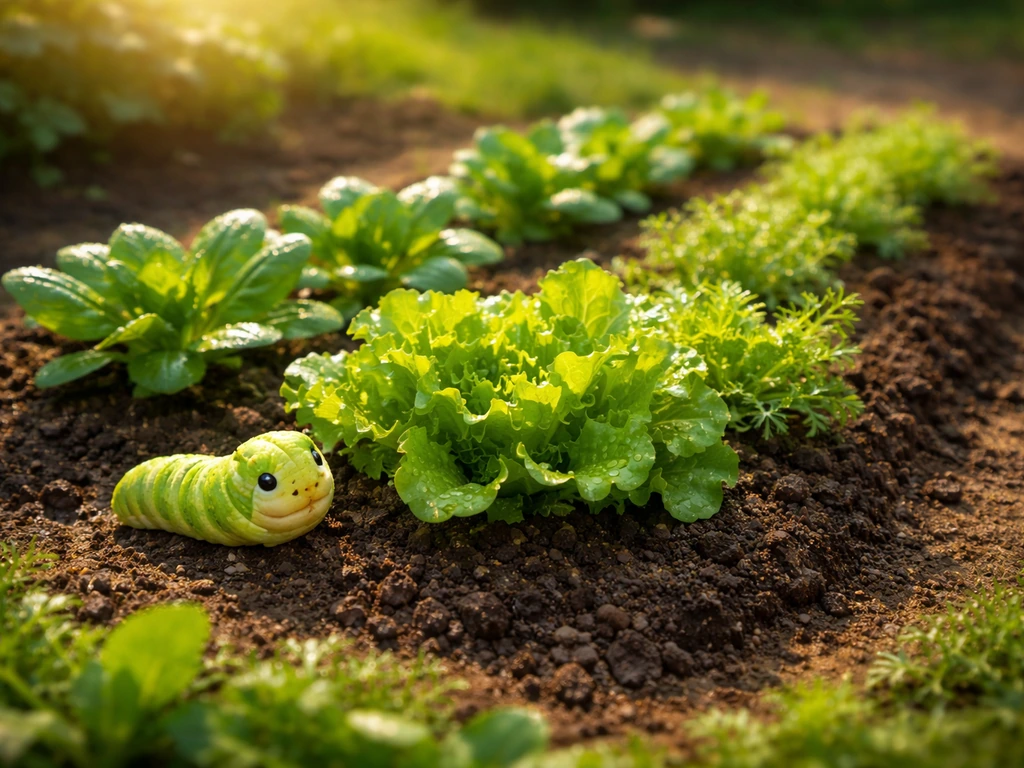
In Grow a Garden, caterpillars eat leafy-type crops. Their passive ability boosts those same plants, making leafy greens grow 1.65x faster. So feeding your caterpillar the right food and growing the right crops are two sides of the same strategy. Get this right and you have one of the best growth-speed loops in the game. Get it wrong and you're wasting food, stalling progress, and wondering why your Mythical pet isn't doing much.
What Do Caterpillars Eat in Grow a Garden? Food Guide

Julian Russo
7 Jul 2026
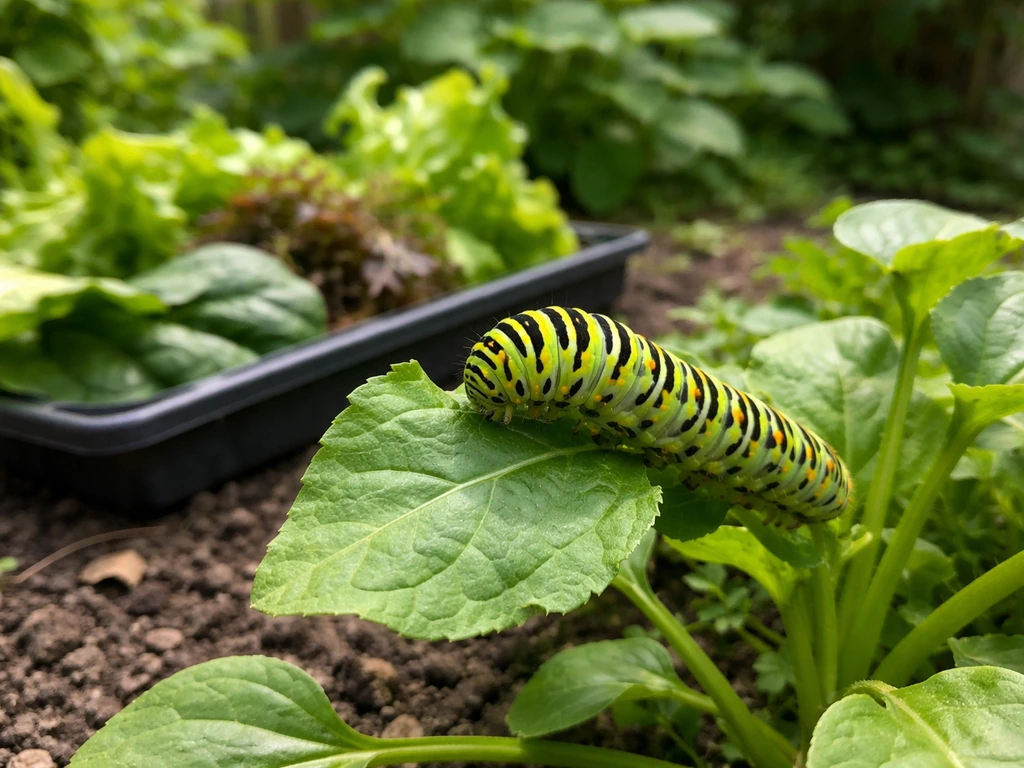
Caterpillar diet basics in Grow a Garden
The Caterpillar is a Mythical-tier pet introduced in the Animal Update on May 3, 2025. Its passive is simple and powerful: leafy plants on your farm grow 1.65x faster while the Caterpillar is active. That makes it one of the strongest speed-boosting pets in the game, but only for the right crop category. Everything about optimizing your Caterpillar starts with understanding that it is a leafy-specialist. If your farm isn't built around leafy crops, you're not getting full value from the pet, and the feeding system reflects that same logic.
For feeding purposes, the game tracks what you give your Caterpillar against what it actually prefers. Giving it foods that don't match its affinity fills the Hunger meter poorly and wastes items you could use elsewhere. Players have reported that feeding big fruits to a Caterpillar barely moves the Hunger bar, which is the game signaling a food-type mismatch. Stick to leafy foods and your Hunger efficiency goes up noticeably.
What to feed them specifically (leafy greens vs other food items)
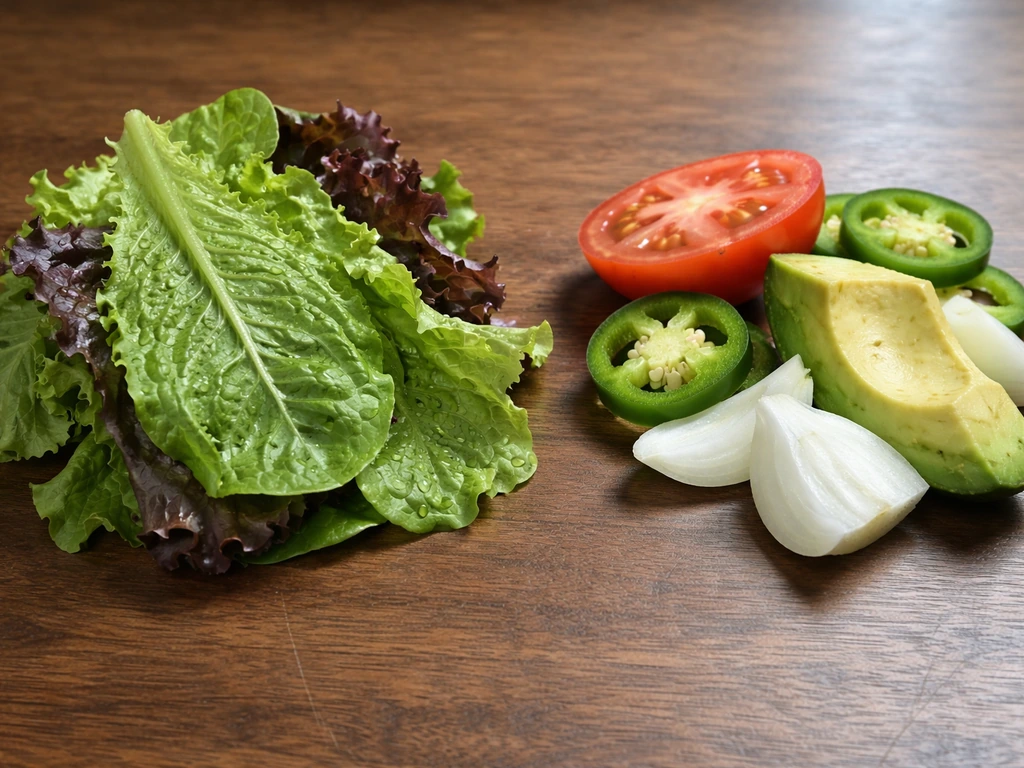
The official food list for the Leafy category in Grow a Garden includes a specific set of crops. These are the items the game classifies as Leafy-type food, and they're what you want to be feeding your Caterpillar:
- Artichoke
- Onion
- Jalapeno
- Tomato
- Avocado
- Bamboo
- Taro Flower
- Bell Pepper
- Pineapple
- Grand Tomato
- Sunflower
A few of these might surprise you. Tomato and Bell Pepper don't scream 'leafy' intuitively, but the game categorizes them that way for food purposes, so they count. Onion is cheap and widely available, making it one of the most practical everyday feeding options. Sunflower and Grand Tomato tend to be higher-value items, so you'll want to weigh whether feeding those is worth the Hunger efficiency gain versus selling or using them elsewhere. If you're trying to grow a garden caterpillar worth it, focus on leafy crops that match its affinity so the passive stays fully active worth the Hunger efficiency gain.
There's also some community confusion worth flagging: some players assume carrot counts as a leafy crop because it's cheap and crop-like, but it isn't reliably listed in the official leafy food category. Don't assume a crop is leafy just because it grows in the ground or looks vegetable-adjacent. When in doubt, check whether the crop appears in the Leafy Type Crops category on the wiki before wasting a stack on feeding. When in doubt, check whether the crop appears in the Leafy Type Crops category on the wiki before wasting a stack on feeding Leafy Type Crops category lists the crops classified with the Leafy trait. The Caterpillar's effect on which plants it boosts (via its passive) and what it eats for food are governed by the same leafy classification system, so the overlap is real.
How much to feed and how often (minimizing waste and maximizing growth)
The goal is to keep your Caterpillar's Hunger meter from bottoming out without burning through your crop supply. Overfeeding is waste. Underfeeding means your pet's passive drops in effectiveness or stops applying entirely while the meter is empty. Here's a practical feeding rhythm to aim for:
- Feed in small batches rather than dumping everything at once. One to two Leafy food items at a time lets you monitor the Hunger fill rate and avoid overshoot.
- Check hunger levels regularly during active play sessions, especially if you're running a fast leafy-crop farm where the passive is constantly being used.
- Use lower-value leafy foods like Onion or Jalapeno for routine feeding. Save higher-yield items like Sunflower or Grand Tomato for when you need a quick top-up in a pinch.
- If you're going offline or stepping away, feed up to a comfortable mid-to-high Hunger level so the passive stays active while you're gone.
- Don't mix non-leafy foods into your feeding rotation. Filling Hunger with fruits or non-leafy crops is inefficient and delays the time the Hunger meter is in its optimal range.
There's no single universal feeding schedule because it depends on how actively you're farming and how fast your leafy crops are cycling. A farm fully planted with fast-growing leafy crops will burn through Hunger buffs faster than a mixed farm. Scale your feeding frequency to match your crop density.
Signs of proper feeding vs starvation or inefficient food
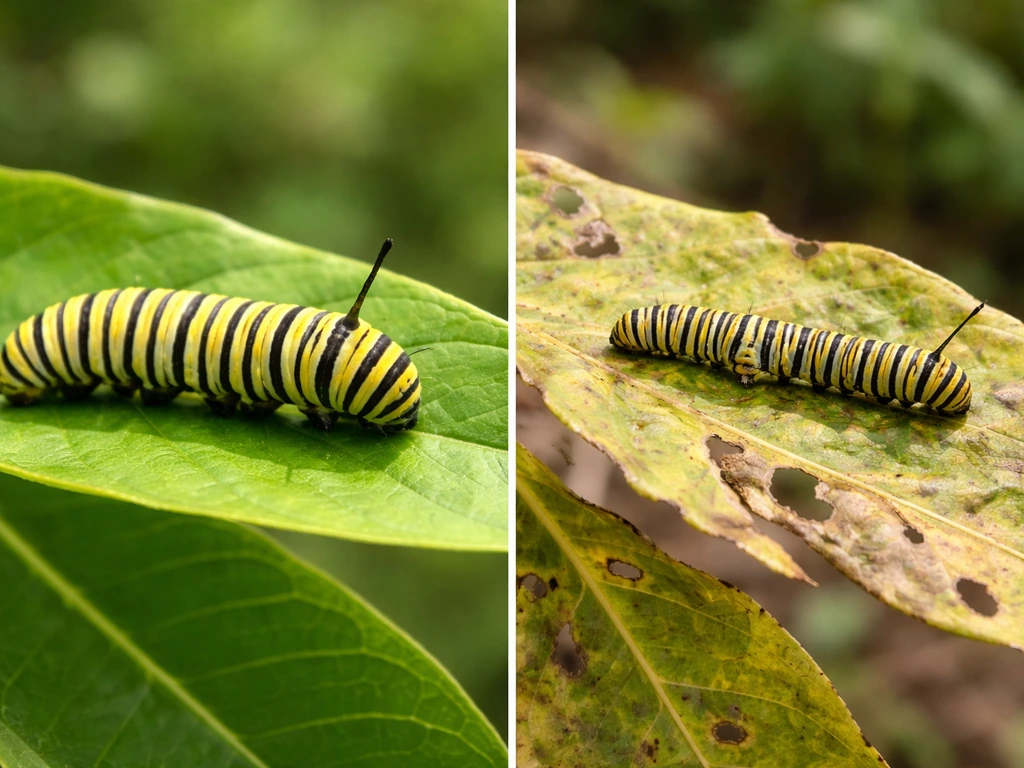
Knowing whether your Caterpillar is well-fed versus struggling comes down to watching a few clear signals in-game:
| Indicator | Well-Fed Caterpillar | Underfed or Wrong Food |
|---|---|---|
| Hunger Meter | Stays in the mid-to-high range consistently | Drops quickly or stays low even after feeding |
| Leafy Crop Growth Speed | Noticeably faster than baseline, roughly 1.65x | Slower than expected or close to normal speed |
| Food Fill Rate | Each leafy food item fills Hunger efficiently | Big fruits or non-leafy items barely move the meter |
| Pet Activity | Passive visibly active, crops progressing quickly | Passive may suspend or show no effect on growth timers |
| Resource Drain | Low leafy food usage relative to Hunger maintained | High food usage with little Hunger gain (wrong food type) |
The most common early warning sign is that your leafy crops are growing at normal speed when they should be noticeably faster. If you planted a full row of Onion and it's not cycling faster than your other crops, either the Hunger meter has dipped too low or you're feeding the wrong food type and the passive isn't fully applying. Check the meter first, then check your food type.
How to set up your garden to supply caterpillar food efficiently
The smartest setup is one where your farm produces its own Caterpillar food as a byproduct of normal operations. Since the Caterpillar's passive boosts leafy crops, and leafy crops are also what you feed the Caterpillar, you can build a self-sustaining loop: grow leafy crops, redirect a portion of the harvest to feed the Caterpillar, which keeps the passive active, which grows more leafy crops faster.
Here's how to structure that loop practically:
- Dedicate at least one plot section to high-yield, fast-cycling leafy crops like Onion or Tomato. These produce quickly and cheaply, making them ideal as your feeding supply.
- Set a mental budget: reserve roughly 10 to 15 percent of each leafy harvest for Caterpillar food and sell or use the rest. This keeps your supply steady without cutting into your profit margin too hard.
- Keep a stockpile of 10 to 20 leafy food items in storage at all times. This buffer covers you during active sessions and prevents the Hunger meter from crashing when you're focused on other tasks.
- If you're running a large leafy-focused farm optimized for the 1.65x passive, scale the feeding plot proportionally. More crops cycling faster means you need more food on hand to maintain consistent Hunger.
- Avoid storing perishables you intended for feeding in a way that makes them hard to access quickly. Keep your Caterpillar food in a dedicated, easy-to-reach storage slot.
For mid-to-hardcore optimizers, the real win here is alignment: every crop you grow for profit is also a potential feeding source, and the Caterpillar's passive makes those crops grow faster. The setup essentially pays for itself once the loop is running. This is also worth keeping in mind when deciding which crops to prioritize planting, since leafy crops pull double duty in a Caterpillar-focused farm.
Common mistakes and quick fixes
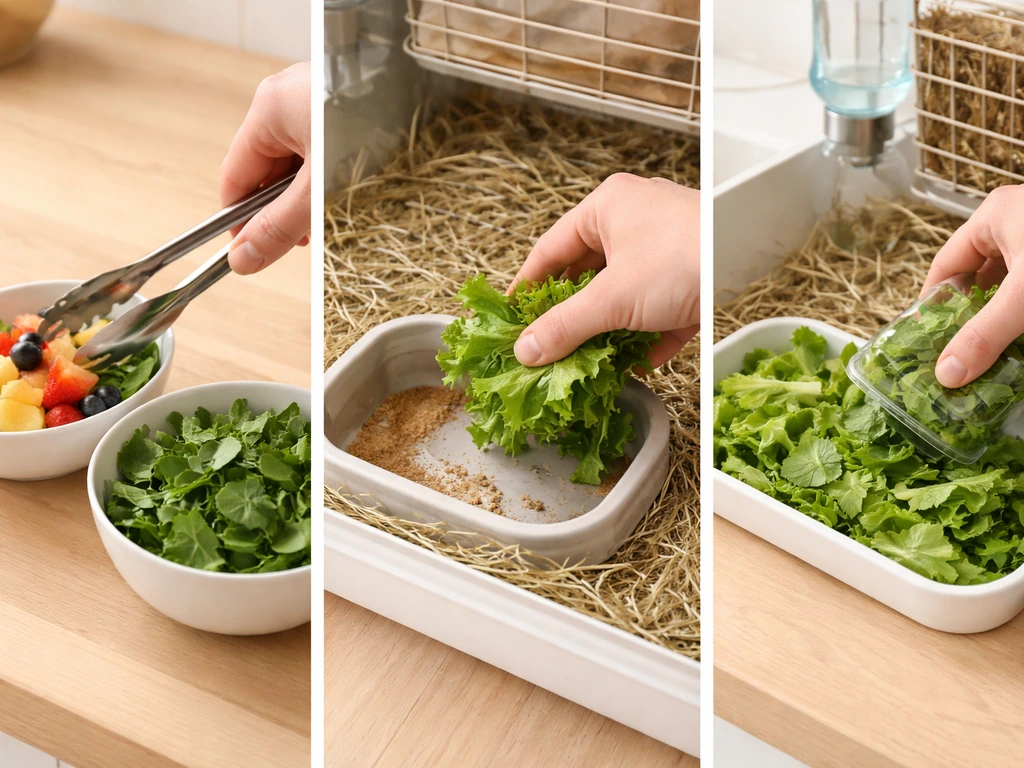
Most Caterpillar feeding problems come down to one of three mistakes: feeding the wrong food type, not feeding often enough, or not keeping supply available. Here's a rundown of the most common errors and how to fix them fast:
| Mistake | What Happens | Quick Fix |
|---|---|---|
| Feeding big fruits or non-leafy crops | Hunger fills slowly, passive underperforms | Switch immediately to listed leafy foods: Onion, Tomato, Bell Pepper, etc. |
| Assuming carrot counts as leafy | Feeding carrot may not register properly for Caterpillar | Cross-check any crop against the official Leafy Type Crops list before feeding |
| Letting Hunger meter hit zero during farming | Passive suspends, leafy crop growth drops to baseline speed | Keep a stockpile buffer of 10-20 leafy items and feed proactively before the meter gets low |
| Overfeeding high-value items like Sunflower or Grand Tomato | Wastes sellable crops when cheaper options work fine | Use Onion or Jalapeno for routine feeding, save premium leafy items for emergencies |
| Not planting enough leafy crops to sustain food supply | Run out of feeding stock, Hunger drops, loop breaks | Dedicate a dedicated feeding plot to fast-cycling leafy crops and replenish after every harvest |
| Mixed farm with mostly non-leafy crops | Caterpillar passive benefits almost nothing on the farm | Restructure planting to prioritize leafy crops, or consider whether this pet is the right fit for your current setup |
The last mistake on that list is worth dwelling on. If your farm is built around fruits, roots, or other non-leafy categories, the Caterpillar is genuinely one of your weaker pet options despite being Mythical-tier. The passive only applies to leafy plants, so if you're running a mixed or non-leafy farm and wondering why your Mythical pet isn't moving the needle, the answer is crop composition, not feeding strategy. Yes, a Caterpillar does grow a garden by boosting leafy plants on your farm does caterpillar grow a garden. Rebuild around leafy crops first, then optimize the feeding loop.
If you're digging deeper into Caterpillar mechanics, it's worth understanding exactly which plants are affected by the passive, whether the Caterpillar eventually transforms into a butterfly in the game's progression system, and what the Caterpillar's Bug Egg looks like if you're trying to hatch one. Many players ask whether caterpillars turn into butterflies in Grow a Garden, and the game progression mechanics explain how that transformation works. These mechanics connect directly to how you plan your farm and what you breed for, so getting the full picture helps you make better decisions today.
FAQ
If I give my caterpillar “regular greens,” will it eat them or only specific leafy foods? (How do I know what counts?)
Feed only items the game classifies in its Leafy food category, not just any “vegetable-like” crop. A quick safety check is to confirm the crop is listed under the Leafy Type Crops category before you spend a full stack, since the passive and Hunger behavior use the same leafy classification rules.
Why does my caterpillar’s feeding not seem to speed up anything on my farm?
Because the passive speed bonus applies only to leafy plants, feeding leafy food to the Caterpillar helps only when you are also growing leafy crops. If your farm is mostly fruits, roots, or other non-leafy categories, you may see Hunger changes but little or no overall growth-speed benefit.
Are tomatoes and bell peppers really leafy for caterpillar feeding?
Tomato and bell pepper count as Leafy food for the Caterpillar even if they do not feel leafy. If you are building a “leafy only” plan, you can include these to expand your feeding options without sacrificing the passive’s intended crop category.
What are the fastest in-game signs that the Hunger meter is low or my food type is wrong?
If the Hunger meter drops too low, the pet’s passive becomes ineffective or stops applying, which is why your leafy crops may grow at normal speed. Check the Hunger meter first, then verify you are feeding Leafy category items, because the two issues can look similar in early stages.
Does carrot count as leafy food for a Caterpillar?
Carrot is a common assumption, but it is not reliably listed as Leafy in the official Leafy food category. Do not treat low cost or “it grows in the ground” as proof, use the official category listing to avoid wasting items.
How often should I feed my caterpillar to keep the passive running?
No, there is no fixed universal schedule. The effective rhythm depends on how quickly your leafy crops cycle, crop density, and how often you harvest. A higher-density leafy setup will consume Hunger bonuses faster, so you generally need more frequent feeding to keep the passive active.
Is it better to feed cheap leafy foods or high-value foods to maximize efficiency?
If you are constantly overfeeding, you are likely using high-value foods when cheaper leafy options would achieve the same Hunger upkeep. For optimization, favor practical leafy foods for routine feeding and reserve expensive items like higher-value crops when you specifically need extra efficiency.
How do I set up a self-sustaining loop without tanking my profits?
A self-sustaining loop works best when you split your leafy harvest, not when you try to feed from unrelated categories. Grow leafy crops, redirect a portion to the Caterpillar, and let the active passive accelerate the remaining crop output, so your food supply continues without draining profits.
What’s the main reason a Caterpillar feels “weak” even though it is Mythical-tier?
The biggest mistake is building the farm around non-leafy categories, because the passive only affects leafy plants. If you keep expecting a Mythical-tier pet to solve a crop-mismatch, you will stall progress. Rebuild crop composition around leafy plants first, then fine-tune feeding.
Next Article
Does Caterpillar Grow a Garden in Grow a Garden Game
Find out if Caterpillar actually makes garden plants grow in Grow a Garden, what it does, and how to test today.