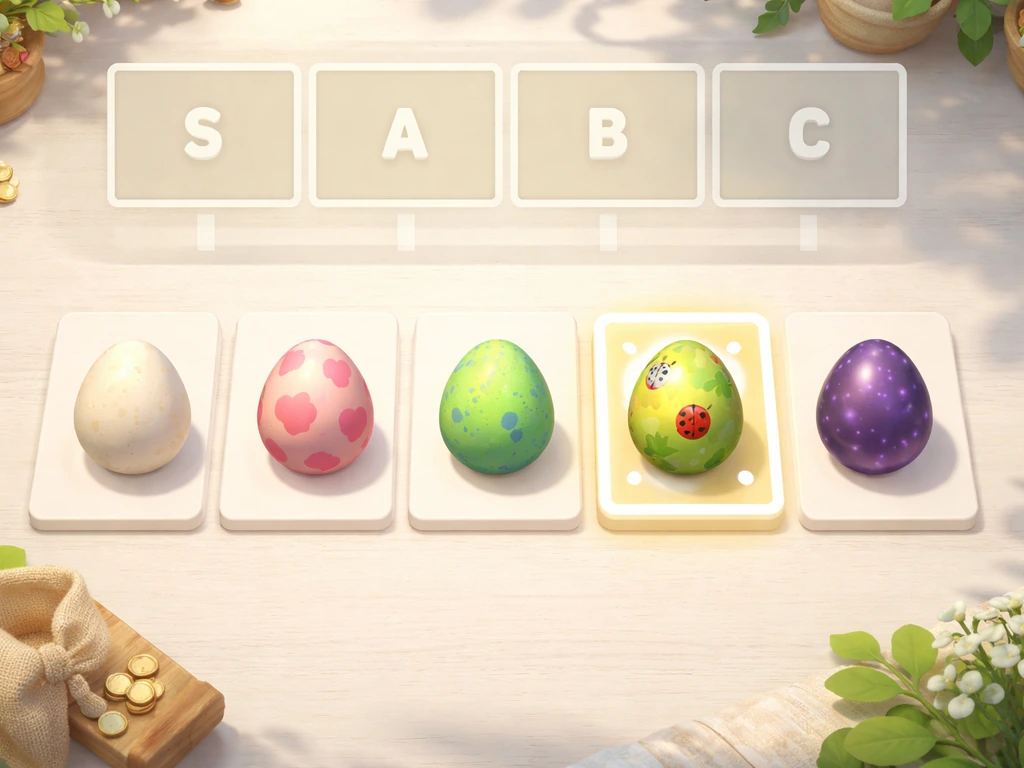
The Bug Egg in Grow A Garden is a Divine-tier pet egg that costs 50,000,000 Sheckles (or 149 Robux), takes exactly 8 hours to hatch after you place it on a garden plot, and can produce one of five bug-themed pets: Caterpillar (40% chance), Snail (30%), Giant Ant (25%), Praying Mantis (4%), or Dragonfly (1%). If you are trying to predict the most likely hatch outcomes, grow a garden bug egg odds can help you understand the probability breakdown. You place it like a seed, leave it alone for 8 hours on the same plot, and collect your pet when the timer hits zero. What you get is locked to that probability table, but there are a few things you can do to speed up the timer and optimize for the rarer hatches.
Grow a Garden Bug Egg Stats and Best Growth Method

Julian Russo
30 May 2026
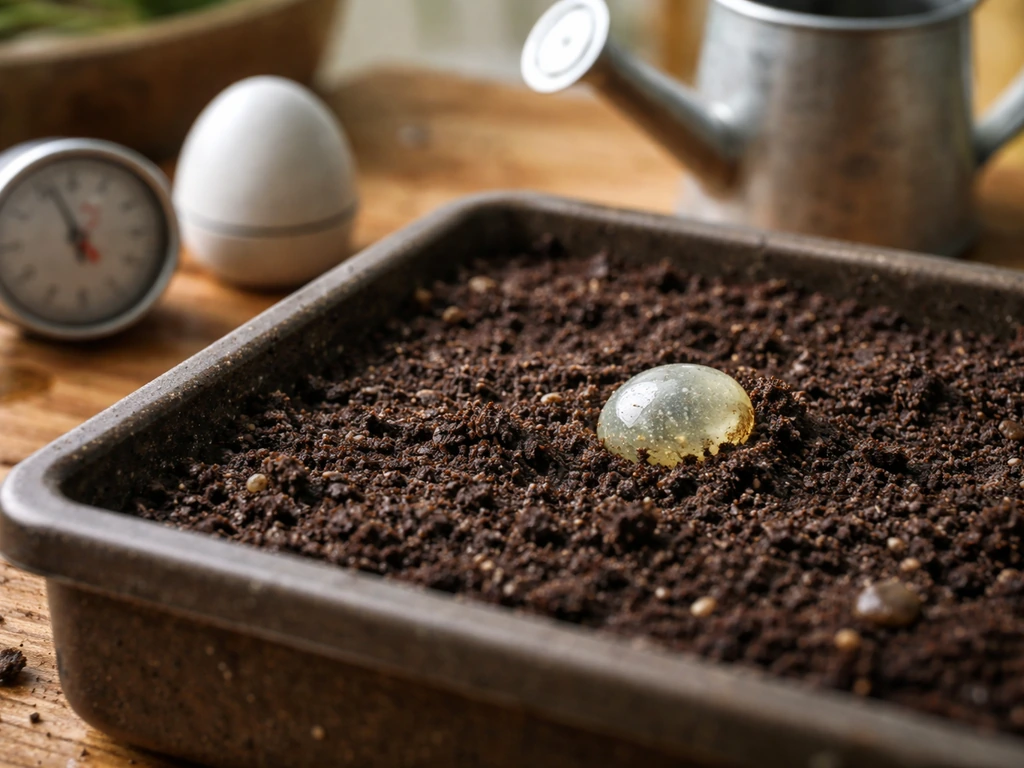
What the Bug Egg actually is and what 'growing' means here
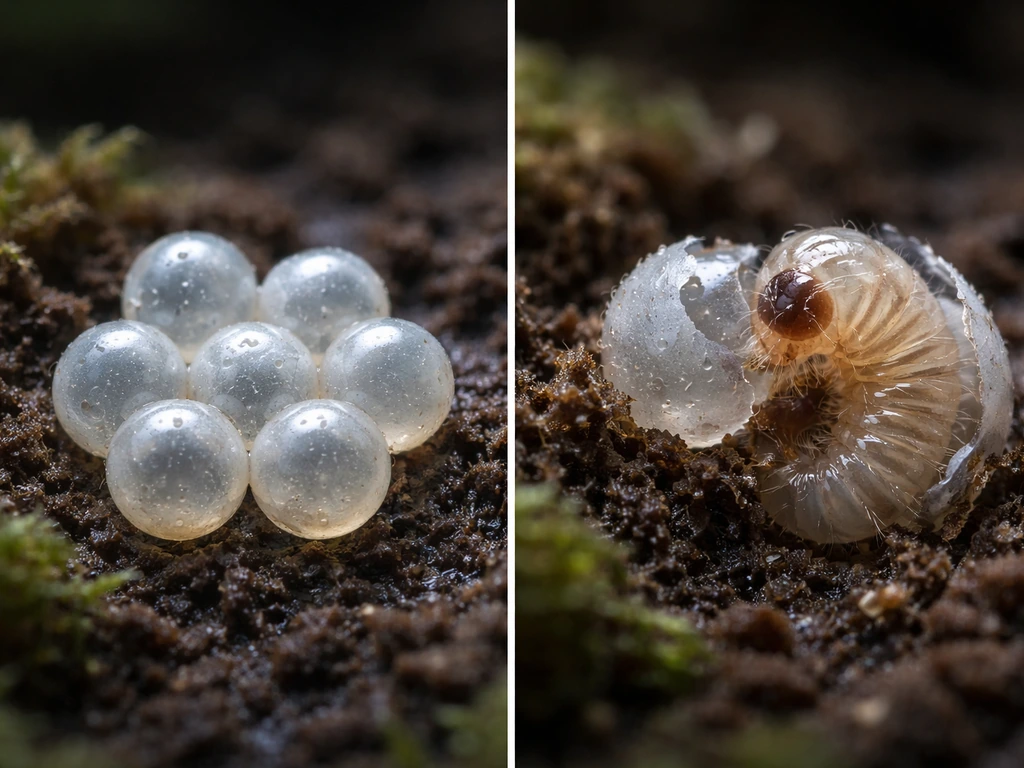
When people search 'grow a garden bug egg,' they usually mean one of two things: how do you hatch it, or what comes out of it. Both are worth covering because the egg itself is just the starting point. The Bug Egg is a purchasable item from the Pet Egg stand in Grow A Garden, priced at 50,000,000 Sheckles or 149 Robux. It is classified as Divine tier, which puts it above common egg types and reflects the rarity potential of what it can hatch. The Praying Mantis at 4% and Dragonfly at 1% are the headline pulls most players are chasing.
The 'growing' process here is not crop growth in the traditional sense. You are incubating an egg by placing it on a garden plot, the same way you would place a seed. The egg sits on that plot for 8 hours, and when the timer expires, it hatches into one of the five bug pets. After that, your job shifts to raising the pet, which involves feeding it to keep its Hunger stat up so it can age. The stat picture you care about most covers both what you pull from the hatch pool and how you develop the pet afterward.
If you're also exploring rarer variants of this egg, the Exotic Bug Egg is a separate item with a different hatch pool and odds. If you are chasing that rarer option, the Exotic Bug Egg is the one that can hatch into additional exotic bug outcomes beyond the standard pool. And if you want to compare all bug egg options side by side, the bug egg tier list breaks down which hatches are worth pursuing. For now, this guide focuses on the standard Bug Egg from placement to optimized pet.
How to set up and hatch your Bug Egg step by step
The process is straightforward, but there are a few specific things you need to get right to avoid wasting 8 hours on a timer that never progresses.
- Buy the Bug Egg from the Pet Egg stand for 50,000,000 Sheckles or 149 Robux. Make sure you have the Sheckles saved before you commit, since this is a significant spend.
- Go to your garden and find an empty plot. The egg needs an open slot, exactly like a seed does.
- Place the Bug Egg on that empty plot. You will see it appear on the plot and a hatch timer will begin counting down from 8 hours.
- Stay in or return to the same garden you placed the egg in. Do not swap gardens or change plots after placement. Community reports consistently show that timers stop advancing or reset when you move the egg to a different garden.
- Log out from inside the garden where the egg is placed if you need to go offline. Timers generally continue running as long as the egg stays on its original plot.
- Return after 8 hours. The egg will hatch and reveal one of the five bug pets based on the probability table.
- Collect your pet and open its menu to check its trait and stats.
One thing worth flagging: the 8-hour timer is the base time. You can reduce it by using certain helper pets before or during incubation. Pets like Kiwi, Chicken, and Rooster have been documented in community cheat sheets as having hatch time reduction effects. If you have access to any of these, deploy them on your farm before you place the Bug Egg to get the most benefit from their passive effects.
Timing, what can go wrong, and how to avoid it
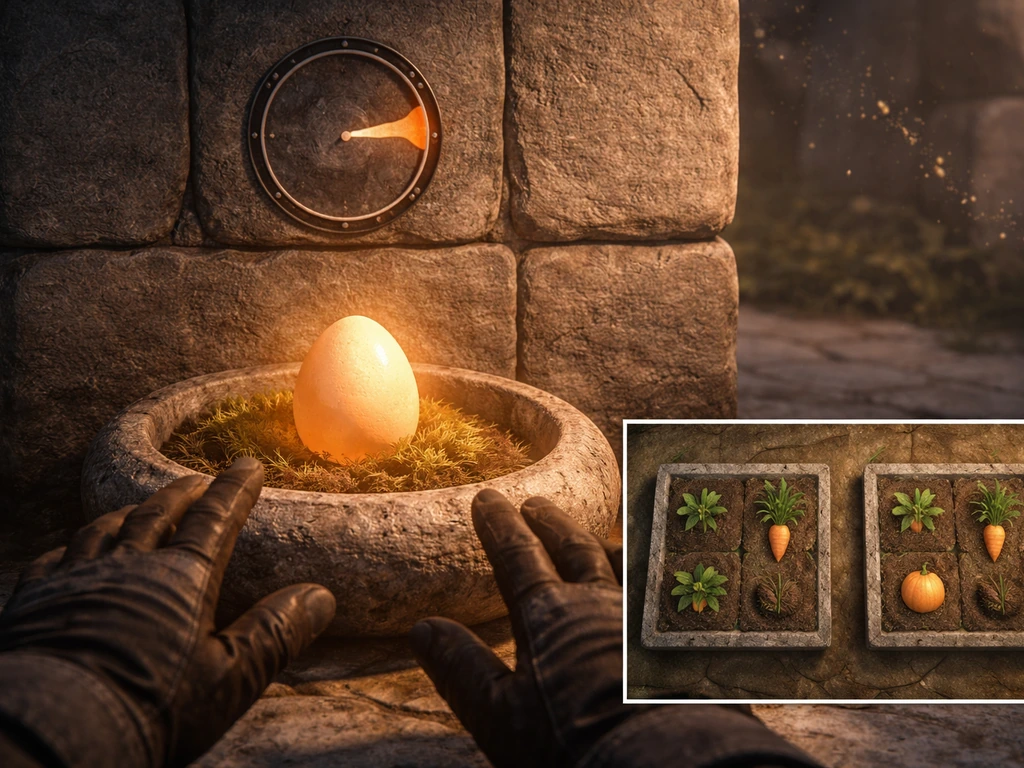
The 8-hour hatch time is fixed at the base level, so timing your placement matters if you want to be online when it hatches. Place the egg at a time when you can check back 8 hours later, ideally when you'll be active in the game. There's no penalty for letting a hatched egg sit on the plot, but you lose the plot slot for other eggs or crops while you wait.
The biggest failure point players hit is the plot-swap bug. Multiple community threads confirm that if you move or swap your garden after placing an egg, the timer can freeze or reset entirely. The egg stays visually on the plot but stops counting down. The fix is simple: place the egg, commit to that garden, and do not touch the plot layout until the egg has hatched. If you suspect your timer froze, check the countdown directly on the egg plot. If it has not moved in a meaningful time window, you likely triggered the plot-swap issue.
Logging off is generally safe as long as you log out from within the same garden where the egg is placed. Users who reported timer issues were usually those who swapped gardens before logging, not those who simply went offline. So the routine should be: place egg, verify timer is running, log out from that garden if needed, log back in after 8 hours.
Bug egg stats: what you're actually measuring and why it matters
Once your egg hatches, the pet you get comes with a fixed trait that defines its identity and in-game effect. These traits are tied to each specific pet type, so you cannot change which trait you get, only which pet you pull. Here is the full breakdown of what each hatch produces:
| Pet | Hatch Probability | Trait |
|---|---|---|
| Caterpillar | 40% | Leaf Lover |
| Snail | 30% | Slow and Steady |
| Giant Ant | 25% | For the Blue Colony |
| Praying Mantis | 4% | Zen Zone |
| Dragonfly | 1% | Transmutation |
The trait is the primary stat that differentiates each pet's value and function on your farm. Beyond the trait, every pet in Grow A Garden also has a Hunger stat that you track through the pet menu. To view a pet's current Hunger and age, click on the pet and select 'View,' or use the pet menu arrows to navigate to its status screen. Grow-a-garden.wiki notes that you can feed your pet by clicking it and selecting “Feed,” or by using the interact prompt click on the pet and select 'View,' or use the pet menu arrows. Hunger must be kept up for the pet to age, which is where the ongoing maintenance side of pet stats comes in.
When evaluating a hatch, the two numbers you want to know immediately are the rarity probability (which tells you how valuable or hard-to-replicate the pet is) and the trait (which tells you what it actually does for your farm). A Dragonfly with Transmutation at 1% odds is a genuinely rare pull. A Caterpillar at 40% is expected output on most hatches. Neither is bad, but they serve different goals, and knowing the odds upfront helps you set expectations before you spend 50 million Sheckles.
If you want to go deeper on how odds work across hatches and how to plan for specific pets, the bug egg odds guide covers the probability math in more detail. And for a full breakdown of all the pets this egg can produce, the bug egg animals reference has individual pet profiles. If you're wondering which pets you can get from the Bug Egg hatch pool, the bug egg animals section explains the options in plain terms.
How to improve your outcomes and hatch more efficiently
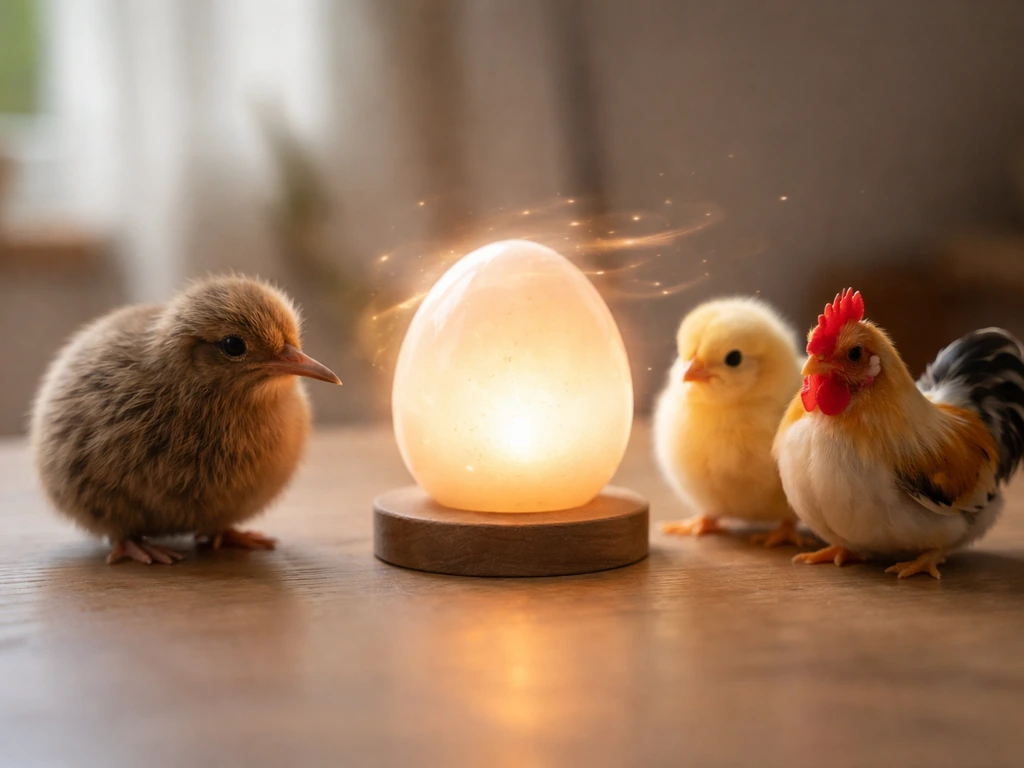
You cannot change the probability table on a standard Bug Egg, but you can improve your efficiency in a few concrete ways.
- Use hatch-time reducing pets (Kiwi, Chicken, Rooster) before placing your Bug Egg to shorten the 8-hour base timer. The more of these you have active, the faster your turnaround per egg.
- Stack multiple Bug Eggs across multiple empty plots if you have the Sheckles. Running parallel hatches cuts your per-pet time cost significantly, especially if you're targeting the Praying Mantis or Dragonfly.
- Plan your sessions around hatch windows. Place eggs at the start of a long offline period (overnight, work hours) so the 8-hour timer runs passively and you collect on your next login.
- Keep detailed notes on your pulls. If you're doing multiple hatches, track the outcomes to see if your distribution roughly matches the probability table. Significant deviation over 10+ hatches may indicate a bug or a game update that changed the pool.
- Feed your pets consistently after hatching. A pet that is not fed will not age, and aging unlocks more of the pet's value on your farm. Check Hunger via the pet menu every session.
- If you're spending Robux (149 per egg), budget across multiple eggs at once rather than hatching one at a time, since variance at 1% (Dragonfly) means you could go 100+ hatches without seeing one.
The giant ant at 25% is actually a very solid pull for active farm optimization, especially if you're working on colony-based strategies. Do not dismiss it just because it is not the flashiest hatch. The Praying Mantis at 4% and Dragonfly at 1% are the prestige pulls, but they are not always the most immediately useful for day-to-day farm performance.
If you are specifically trying to get the Giant Ant and want to understand its role in more depth, the bug egg ant guide goes into its mechanics and colony interactions. If you are chasing a specific outcome, the bug egg grow a garden ant guide can help you understand what to target and how to build around it Giant Ant. For building a ranked view of which pets from this egg pool are meta-relevant right now, check the tier list.
Quick troubleshooting checklist and your next steps
If your egg is not hatching or your timer seems stuck, run through this checklist before assuming something is broken: If you are planning your next steps for the 3 bug egg grow a garden setup, this checklist helps you keep your hatches on track.
- Confirm the egg is on the same plot where you originally placed it. If you moved or swapped your garden layout, the timer may have frozen.
- Check that you are in the same garden instance where the egg was placed. Viewing it from a different garden or plot configuration can cause display issues.
- Verify the timer is actually counting down by watching it for 30 to 60 seconds in-game. If it is completely static, you have hit the plot-swap bug.
- If the timer is frozen, the current fix from community reports is to leave the egg in place, exit to the main menu, and re-enter the game from the original garden. Some players report this restarts the countdown.
- If the egg hatched but you see an unexpected pet, cross-reference the hatch pool table above. Remember that Caterpillar at 40% is the most common result, and variance is normal over small sample sizes.
- If you are buying a second egg and want a different result, there is no memory or streak mechanic reported. Each hatch is an independent roll against the same probability table.
- For spending efficiency, decide whether you're targeting a specific pet (in which case budget for multiple hatches) or just want any bug pet (in which case one egg is enough to get started).
Your immediate next step depends on where you are in the process. If you have not bought the egg yet, start saving toward 50,000,000 Sheckles or decide if the 149 Robux spend makes sense for your goals. If you already have an egg, place it now on a stable plot in a garden you will not rearrange, set a timer for 8 hours, and use any hatch-reduction pets you have available. If you've already hatched one and want to understand how to get the most from the pet you got, open the pet menu, check its trait against the table above, and start a consistent feeding routine to level it up. The Bug Egg is one of the more accessible Divine-tier eggs in the game, and with the right setup, it is a reliable path to some of the best bug pets currently in the meta.
FAQ
If I place the Bug Egg and later regret the setup, can I cancel or roll a different hatch outcome?
Yes, the pet is determined when the egg finishes incubating, so once you place it on the plot you cannot change the outcome by waiting longer or switching sessions. What you can change is efficiency, for example using hatch time reduction helper pets, and reducing the chance of mistakes like moving the plot layout mid-timer.
Is it safe to log out while the 8-hour Bug Egg timer runs?
You can log out and come back, but do it from the same garden where the egg is incubating. If you switch gardens or swap the egg onto a different plot, players have reported the countdown freezing or resetting. A quick safety check is to open the egg plot UI and confirm the timer value is actively ticking before you fully exit.
Do the hatch odds change if I hatch multiple Bug Eggs or if I keep trying for the rarest pets?
No, the probability breakdown for the standard Bug Egg is fixed, so repeated hatches follow the same odds each time. The practical decision is not “do odds change,” but “how do I plan many incubations,” for example incubating multiple eggs across different stable plots to maximize your chances of a Praying Mantis (4%) or Dragonfly (1%) within a farming session.
What garden actions actually cause the “plot-swap” timer problem?
A plot that remains untouched is the key. Even if the egg visually sits on the same spot, moving or swapping the garden layout can break the incubation countdown. Best practice is to place the egg last, lock in your garden arrangement, and avoid any garden edits until the hatch completes.
Can I change the trait after the Bug Egg hatches, or is it locked in?
Trait is tied to the specific pet you hatch, so you cannot reroll a trait after the egg hatches. However, you can still decide what to do with the pet afterward by comparing its trait to your current farm goals, for example if your strategy needs Hunger-friendly progression or specific mechanics tied to that pet type.
If I miss collecting right at 8 hours, does the egg keep incubating or get delayed?
No, the “no meaningful penalty” note is mainly about leaving it there after it hatches, not about incubation progressing. Once the timer has started, your goal is to keep the egg incubating uninterrupted for the full cycle. If you miss the hatch moment, you may simply be delaying collection, which ties up that plot slot.
When should I use Kiwi, Chicken, or Rooster hatch time reducers for the best results?
Using hatch time reduction helpers only makes sense if you have them active during the incubation window, and the biggest win comes from applying them right before you place the Bug Egg. A common mistake is buying the helpers but placing the egg without setting up their effect beforehand, which reduces or negates the intended time savings.
What’s the best way to plan for a Dragonfly or Praying Mantis hatch without wasting plot time?
Because Dragonfly is a 1% pull and Praying Mantis is 4%, the realistic value of your plan is in how many incubations you can run per week and how efficiently you can manage plots. If your goal is specifically one of the prestige hatches, focus on stable plot coverage and consistent feeding routines afterward, not on trying to “game” the odds.
Next Article
Grow a Garden Bug Egg Tier List: Best Eggs to Breed Now
Bug egg tier list for Grow a Garden: rank the best eggs to breed now using hatch value, speed, and farm impact.