Red Giant Ant and Giant Ant are both strong duplication-passive creatures in Grow A Garden, but they serve completely different crop types, and picking the wrong one for your farm layout will cost you real efficiency. The short answer: Red Giant Ant is the better pick for fruit-focused farms, and Giant Ant is the better pick if you're running candy crops. Here's the full breakdown so you can make the call and set up your breeding plan today.
Red Giant Ant vs Giant Ant in Grow a Garden: Setup, Breeding, Pros

Julian Russo
15 Apr 2026
What Are Red Giant Ant and Giant Ant, Exactly?
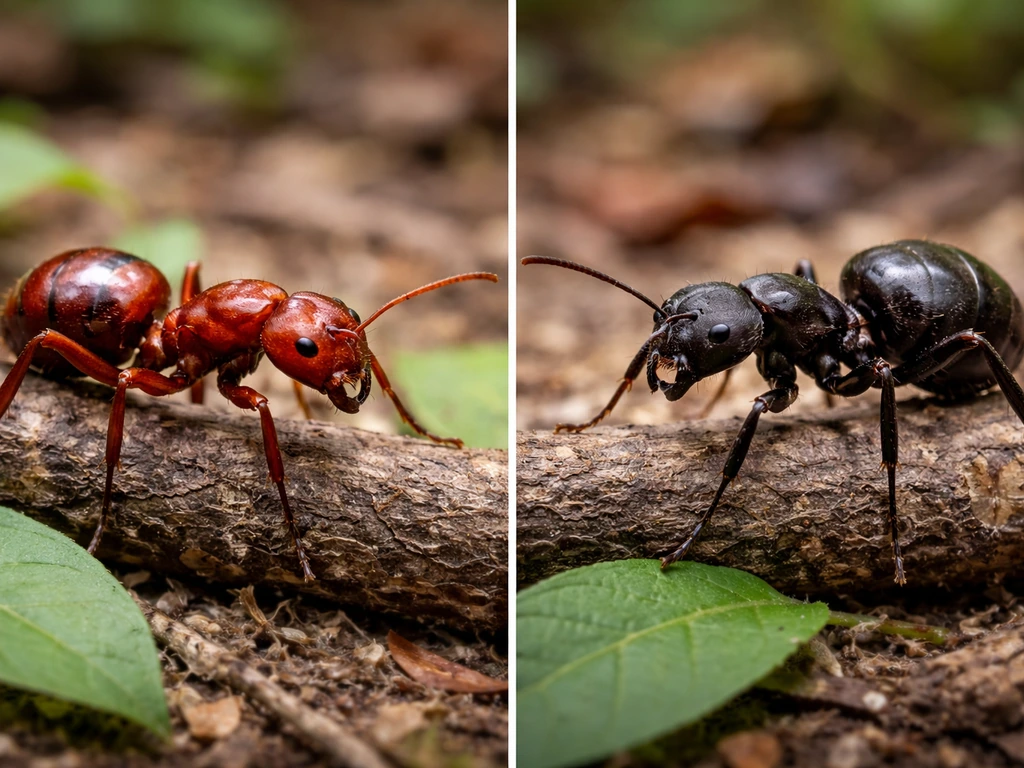
These two creatures look similar on the surface but have meaningfully different passive mechanics. Red Giant Ant is a Mythical-tier pet with a harvest passive that gives a 5% base chance to duplicate any harvested crop, plus an additional 5% chance specifically for Fruit-type crops. That means on a fruit harvest, you're effectively looking at a 10% duplication rate. The bonus doesn't stack infinitely and won't fire on every harvest, so don't expect double yields every time, but over a session it adds up noticeably.
Giant Ant operates on a similar duplication mechanic but is tuned toward a completely different crop category. Its blue colony passive gives roughly a 10% base chance to duplicate any harvested crop, with an extra 5% chance triggered specifically for Candy-type fruits. That puts Giant Ant at an effective 15% duplication rate on candy crops, which is the highest single-creature candy duplication you can get from one slot. If you're not running candy crops at all, Giant Ant's bonus is wasted on the secondary trigger. If you are running candy crops, Giant Ant is pulling harder than Red Giant Ant in pure duplication output.
If you're wondering whether Giant Ant is actually worth using at all compared to other creature slots, the honest answer is yes, but only if your garden is built around the crop types it benefits. Placing it in a fruit-only garden means you're getting the 10% base and skipping the 5% candy bonus entirely, which makes Red Giant Ant the smarter choice in that setup.
Where to Find Them and How to Unlock Each
Red Giant Ant comes exclusively from the Mythical Egg, with an 8.93% hatch probability. That's a reasonably good rate for a Mythical-tier pet, but Mythical Eggs are not cheap or easy to acquire consistently, so expect to invest real time or resources chasing this one. It was not added through a limited event, which means it remains available as long as Mythical Eggs are in the pool.
Giant Ant has two acquisition paths: the Bug Egg and the Exotic Bug Egg. Bug Egg gives a 30% hatch chance for Giant Ant, which is genuinely high and makes it one of the more accessible creatures in the bug category. The Exotic Bug Egg gives a 30% chance as well. Giant Ant was added in the Animal Update on May 3, 2025, so it's been in the game long enough that the community has solid data on it. If you're farming Bug Eggs, you have a real shot at landing Giant Ant without too many attempts.
Eggs, Breeding Setup, and the Fastest Paths
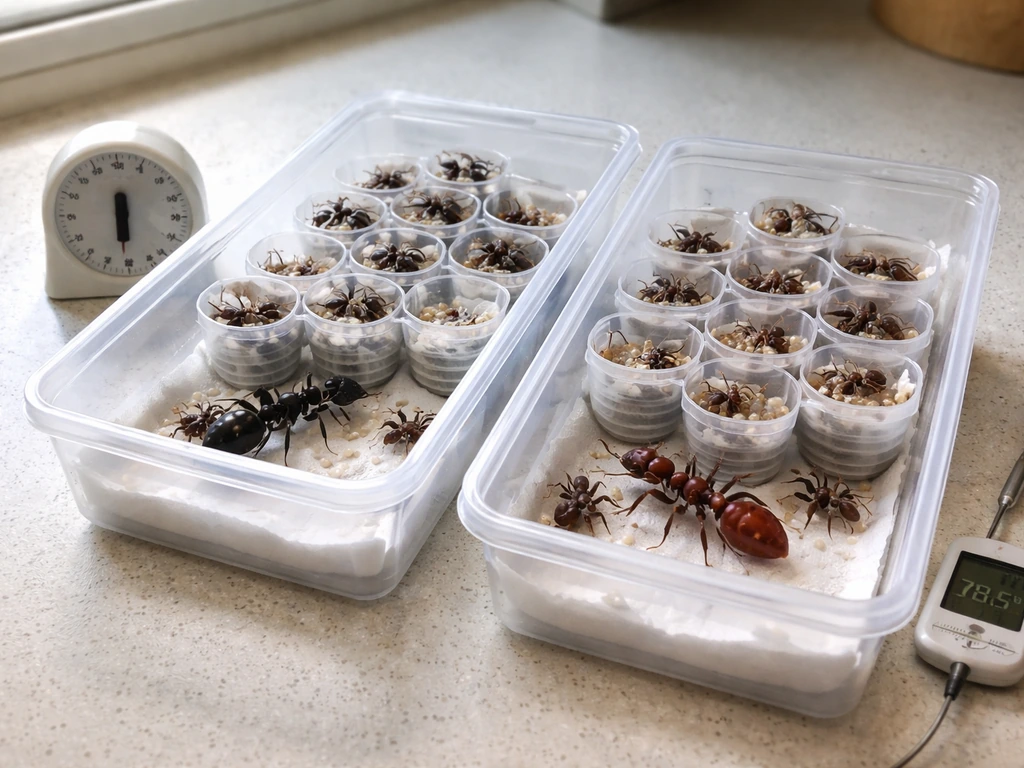
For Giant Ant, the most efficient route is farming Bug Eggs. At 30% hatch odds, statistically you should land a Giant Ant within three to four attempts on average. Stack your Bug Egg income from whatever source is currently active in your game version, and batch your hatches rather than opening them one at a time so you can track your progress cleanly. The Exotic Bug Egg path also works at 30% but tends to cost more to obtain, so Bug Eggs are the better efficiency play unless you're sitting on a surplus of Exotic Bug Eggs.
For Red Giant Ant, you're locked into the Mythical Egg at 8. 93%. Beebom’s Mythical Egg pets list also gives Red Giant Ant an 8. 93% hatch chance, matching the probability noted here [8.
93% hatch probability](https://beebom. com/roblox-grow-a-garden-mythical-egg-pets-list/). That means you should expect to hatch roughly 11 or 12 Mythical Eggs before landing one on average, though variance can stretch that significantly in either direction. Prioritize any method that gets you Mythical Eggs faster: completing high-tier quests, trading with other players if your server allows it, and not wasting Mythical Eggs on creatures you don't need.
If you're trying to decide between grinding for Red Giant Ant versus settling for Giant Ant in the interim, Giant Ant is the faster unlock by a wide margin and still provides solid value if you adjust your crop layout.
There's no complex breeding chain for either creature at the moment. It's hatch-based, not breed-based, so your plan is straightforward: identify which egg type you need, farm that egg source efficiently, and hatch in batches. Don't split your egg budget between both egg types at once unless you're specifically testing; focus one creature at a time.
Growth and Viability: What to Expect While Running These Creatures
Giant Ant has a listed hunger value of 18,000, which is on the higher end. Make sure your feeding system can keep up with that demand, especially if you're running multiple high-hunger creatures in the same garden. Letting Giant Ant drop below fed status will interrupt its passive entirely, wasting the duplication potential you built around it. If you're unsure what food to use for keeping Giant Ant fed, prioritize high-value, high-satiation food items that reduce the number of feeding interactions you need per session.
Red Giant Ant's hunger requirements aren't listed as notably extreme in current data, but as a Mythical-tier pet it's worth treating it carefully. The passive fires probabilistically, so don't assume something is wrong if you go a few harvests without a duplicate. Over a longer session with consistent harvests, the 10% effective rate on fruit crops becomes visible in your output.
Grow a Garden Wiki’s Red Giant Ant entry lists its hunger and includes the pet’s stat information in its summary table Over a longer session with consistent harvests, the 10% effective rate on fruit crops becomes visible in your output. . Both creatures are passive-only and don't require player interaction to trigger their duplications, which makes them low-management picks once they're fed and placed.
Viability-wise, both creatures are solid. Neither is a dead slot. The concern isn't whether they work, it's whether you've matched them to the right crop type. A mismatched ant in your garden means you're losing 5% effective duplication rate compared to the correct pairing, and over a full farming session that adds up to a real crop deficit.
Garden Compatibility: Placement, Synergies, and Space
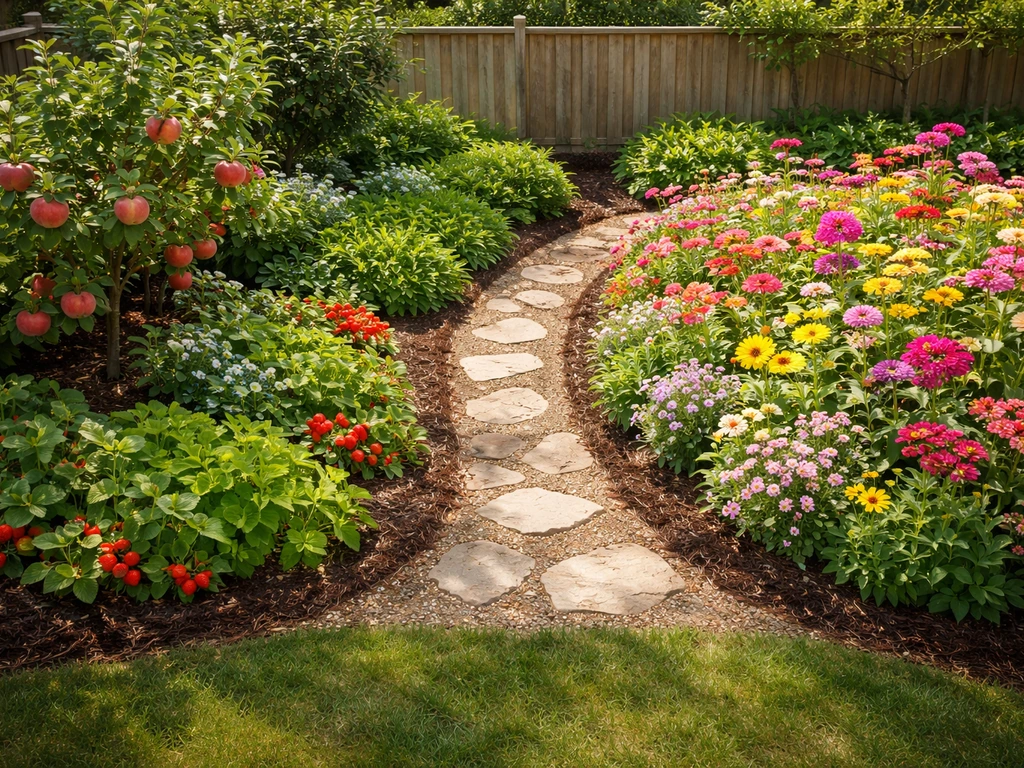
Red Giant Ant belongs in a fruit-heavy garden layout. Place it where it has maximum exposure to Fruit-type crops: high-value fruits like Starfruit, Moonmelon, or any rare fruit you're targeting for duplication. The 10% effective fruit duplication rate means rarer, higher-value fruits are the priority targets. Putting Red Giant Ant next to common low-value crops isn't wrong, but it's inefficient use of a Mythical-tier slot. Pair it with other harvest-boosting creatures or buffs that increase harvest frequency, since more frequent harvests mean more duplication triggers per session.
Giant Ant is a natural fit for candy-crop-heavy builds. Candy Blossom and similar Candy-type fruits hit that 15% effective duplication rate, which is strong enough to justify dedicating creature slots and garden space to candy crops specifically to take advantage of it. If you're comparing this decision to other major creature matchups, it's similar to the thought process behind how Stegosaurus compares to Giant Ant in terms of which creature fits which farm archetype.
For space efficiency, both ants work in compact gardens since their passives apply to harvests broadly rather than requiring specific adjacency bonuses. You don't need to rearrange your entire plot for either one. The main layout decision is crop type, not physical placement geometry. If you're running a mixed garden with both fruit and candy crops, you have a real choice to make about which duplication you value more, or you can run one of each ant type if you have the creature slots to spare.
Synergy-wise, both ants pair well with any creature or buff that increases harvest frequency. More harvests per minute means more passive proc opportunities. Think about pairing them with speed-boosting garden mechanics or other harvest-rate creatures. For players exploring how high-output creature pairings work at a larger scale, the logic is similar to what's covered in the Giant Golem vs Nightmare comparison, where the right creature combination amplifies output significantly more than running mismatched slots.
Direct Comparison: Stats, Pros, Cons, and When to Choose Each
| Attribute | Red Giant Ant | Giant Ant |
|---|---|---|
| Tier | Mythical | Standard (Bug category) |
| Source Egg | Mythical Egg | Bug Egg / Exotic Bug Egg |
| Hatch Chance | 8.93% from Mythical Egg | 30% from Bug Egg |
| Base Duplication Chance | 5% on any crop | 10% on any crop |
| Bonus Duplication | +5% on Fruit-type crops | +5% on Candy-type crops |
| Effective Rate (target crop) | 10% on Fruit crops | 15% on Candy crops |
| Hunger | Not listed as extreme | 18,000 |
| Acquisition Difficulty | Hard (Mythical Egg grind) | Easy (high Bug Egg odds) |
| Best Crop Fit | Fruit-heavy farms | Candy-heavy farms |
Choose Red Giant Ant if you're running a fruit-focused farm and can invest the time to grind Mythical Eggs. The 10% effective rate on fruit crops is strong, and as a Mythical-tier pet it signals you're optimizing hard. Choose Giant Ant if you're running candy crops, want faster acquisition, or are building a mid-tier farm that doesn't yet have Mythical Egg income. Giant Ant's 15% effective rate on candy crops actually outperforms Red Giant Ant on its own category, which is worth noting: in a candy setup, Giant Ant is the stronger duplication tool. This isn't a case where the rarer creature is always better.
The decision also connects to broader crop strategy questions. If you're weighing whether crops like giant beans justify their slot costs, the analysis mirrors what's discussed in the Giant Bean vs Mega comparison, where the better option depends entirely on what you're optimizing for rather than which one looks more impressive. Same logic applies here.
Meta Strategy: Where Each Ant Fits and What Players Get Wrong
In the current meta, Red Giant Ant sits comfortably in the upper tier for fruit-farm optimization. If you're playing a mid-to-hardcore game focused on rare fruit duplication and value extraction, Red Giant Ant is a legitimate end-game creature slot. Giant Ant sits at a solid mid-tier position overall, but in candy-crop-specific builds it punches above its tier because 15% effective duplication on candy crops is genuinely high for a creature that's this accessible.
The most common mistake players make is placing Giant Ant in a fruit-only garden and wondering why they're not seeing strong results. It's not a universal duplication creature. Its candy bonus is a significant portion of its value, and skipping that bonus means you're essentially running a 10%-base-only duplicator in a slot that could hold something more tailored. The second most common mistake is assuming Red Giant Ant is always the better pick because it's Mythical tier. Tier rarity reflects acquisition difficulty and overall power ceiling, not guaranteed superiority in every context. In a candy farm, Giant Ant wins the head-to-head even though Red Giant Ant is the rarer creature.
For players building toward an optimized long-term farm, here's how to think about it. If your farm is mixed and you're unsure which direction to specialize, run Giant Ant first since it's faster to acquire, then use it to generate resources while you grind Mythical Eggs for Red Giant Ant. Once you have both, assign them based on crop type and let them run in dedicated zones.
Players who skip the specialization step and just drop both ants anywhere typically see lower gains than players who map out the crop-type assignment deliberately. Similarly, understanding your creature matchups at each tier is as important as the creatures themselves, which is the same reasoning behind decisions like the Cape Buffalo vs Giant Ant matchup that some players face when filling creature slots efficiently.
Your Next Steps Starting Today
Here's the practical action plan depending on where you are right now:
- Audit your current crop layout: count how many Fruit-type vs Candy-type crops you're running. Whichever category dominates tells you which ant to prioritize.
- If you're candy-heavy: start farming Bug Eggs immediately. At 30% hatch odds, you're likely a few attempts away from Giant Ant. Set up your candy crop zone around Candy Blossom and similar types to max the 15% effective duplication rate.
- If you're fruit-heavy: begin routing Mythical Egg income toward Red Giant Ant. Don't hatch Mythical Eggs on lower-priority creatures until you've landed Red Giant Ant. Track your hatch count so you know where you are in the probability curve.
- If you're mixed: get Giant Ant first (faster, lower cost), then grind toward Red Giant Ant as your Mythical Egg income allows. Run Giant Ant in your candy zone and hold its slot until Red Giant Ant arrives for the fruit zone.
- Once either ant is in your garden, check Giant Ant's hunger (18,000) against your feeding capacity and adjust if needed. A hungry ant is a useless ant.
- Reassign crop zones intentionally: don't let either ant sit in a zone where its secondary bonus never triggers. That 5% bonus is the margin that separates an optimized farm from an average one.
Both creatures are worth having. Neither is a waste of a slot when matched correctly. The farm that runs Red Giant Ant over fruit and Giant Ant over candy will outperform any farm that picks one and deploys it carelessly. Know your crop type, get the matching ant, and feed it consistently. That's the whole formula.
FAQ
Can I use both Red Giant Ant and Giant Ant in the same garden, or will the bonuses interfere?
You can use both, and they do not inherently conflict. The key is separating crop types into zones or at least planning harvest flow so fruit harvests consistently benefit Red Giant Ant and candy harvests consistently benefit Giant Ant. If your fruit and candy harvests are mixed too heavily, you will still duplicate crops, but you lose the “correct pairing” efficiency the article describes.
What should I do if I run out of the right food and the ant goes unfed during a farming session?
Treat the passive as disabled while unfed, so you want feeding coverage that matches your harvest cadence. If you expect a long gap between feedings, start the session only after you have enough food for the entire play window, or reduce harvest interval goals. Even a short unfed period can noticeably reduce total duplication procs for the same session time.
Do these duplication passives trigger on every harvest tick, or only when I manually harvest?
The passives are harvest-based, so they should only have chances to duplicate when harvest events occur. If your setup relies on automatic or periodic harvesting, test that harvest is actually firing the way you expect, then compare output during a full uninterrupted run. If harvest frequency is low, the duplication rate will look worse than expected even if the ant is fed.
Is it worth swapping my ant after I change crops, for example switching from fruit to candy?
Yes, if you are committing to a sustained crop change, because the “secondary” bonus is crop-type-specific. Instead of swapping immediately, plan a short transition buffer: keep the current ant until you start producing consistent harvests of the new crop type, then redeploy the matching ant so you do not spend days with the wrong secondary trigger.
If my garden is mixed and I cannot dedicate full zones, which ant should I prioritize first?
Prioritize based on the dominant crop you expect to harvest more often. If candy crops will be your major output, Giant Ant is usually the better early pick because its candy bonus is a large part of its value. If fruit crops will dominate, Red Giant Ant is the smarter long-term slot, even if it is slower to unlock.
Do “base duplication” and “bonus duplication” stack in a way that guarantees double crops on some harvests?
No guarantees. The article describes effective rates (like 10% or 15%) that reflect multiple chance components, but they are still probabilistic. Plan your expectations around averages over many harvests, not single-event outcomes, and avoid making decisions based on a handful of harvests.
How can I tell whether my ant is underperforming because of setup versus bad luck?
Use a controlled mini-test: keep feeding consistent, run the same harvest targets for a fixed number of harvest cycles, and compare duplicate counts to your expected effective rate. If duplicates are far below expectation after a large enough sample, check the basics first (fed status, correct crop types being harvested, and that harvest events are actually occurring).
What is the most efficient way to hatch eggs for Giant Ant or Red Giant Ant if I want faster results?
Hatch in batches so you can track progress and avoid stopping mid-stream. Also prioritize the egg source you can farm reliably (Bug Eggs for Giant Ant as described), then only expand into the other egg type if you already have excess of that resource. This prevents splitting focus and slowing both your unlocking and your ability to test the results.
Are there situations where Red Giant Ant is still the better choice even if I’m growing some candy?
Yes, if fruit harvest volume is high enough that most of your effective procs come from fruit, Red Giant Ant can still be the better overall fit. The decision becomes about weighted harvest time, not whether candy exists at all. If candy is only a minor side crop, the candy-specific bonus from Giant Ant may not outweigh the fruit optimization from Red Giant Ant.
What should I consider about garden capacity if I am adding specialized crop zones for these ants?
Specialization works best when your crop zones still support consistent harvesting frequency. If you dedicate too much space to fruit or candy but your production becomes sparse, you reduce harvest events and therefore reduce proc opportunities. Keep enough planting density to sustain frequent harvests per session, then place the matching ant to maximize value from each harvest.
Next Article
Is Giant Ant Good in Grow a Garden? Pet and Farm Use
Find out if giant ant helps in Grow a Garden, plus pet care tips and when it beats other creatures.