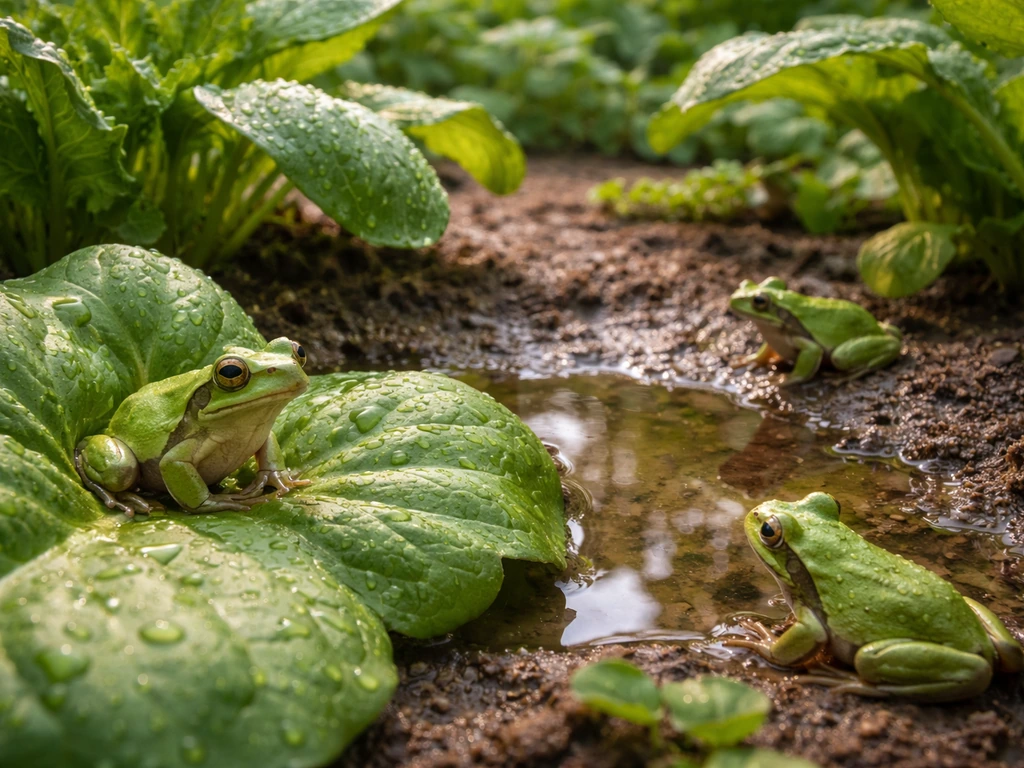
Yes, Frog is genuinely good in Grow A Garden, especially if you're trying to speed up harvest cycles without waiting around. It's a Legendary pet that croaks every 20+ minutes and pushes one nearby plant's growth forward by 24 hours each time. That's a real, consistent time-skip on a passive timer, which makes it one of the more impactful creatures for mid-to-late farm optimization.
Is Frog Good in Grow a Garden? Benefits, Tradeoffs, Next Steps

Julian Russo
16 May 2026
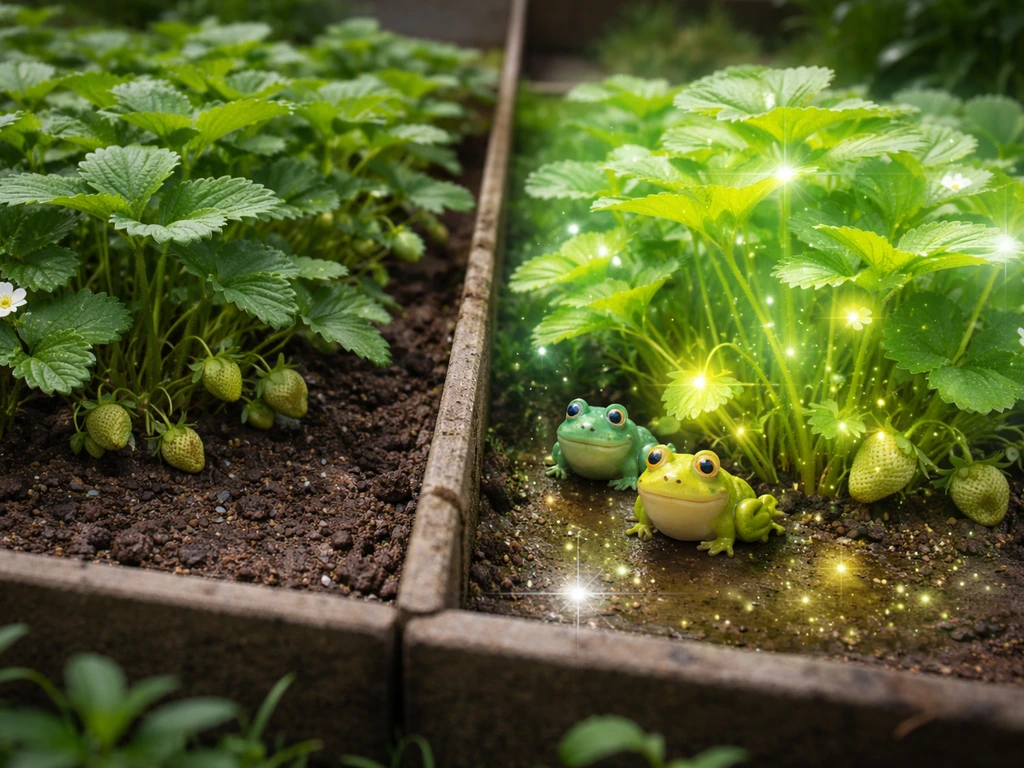
Quick verdict: Are frogs good for your farm?
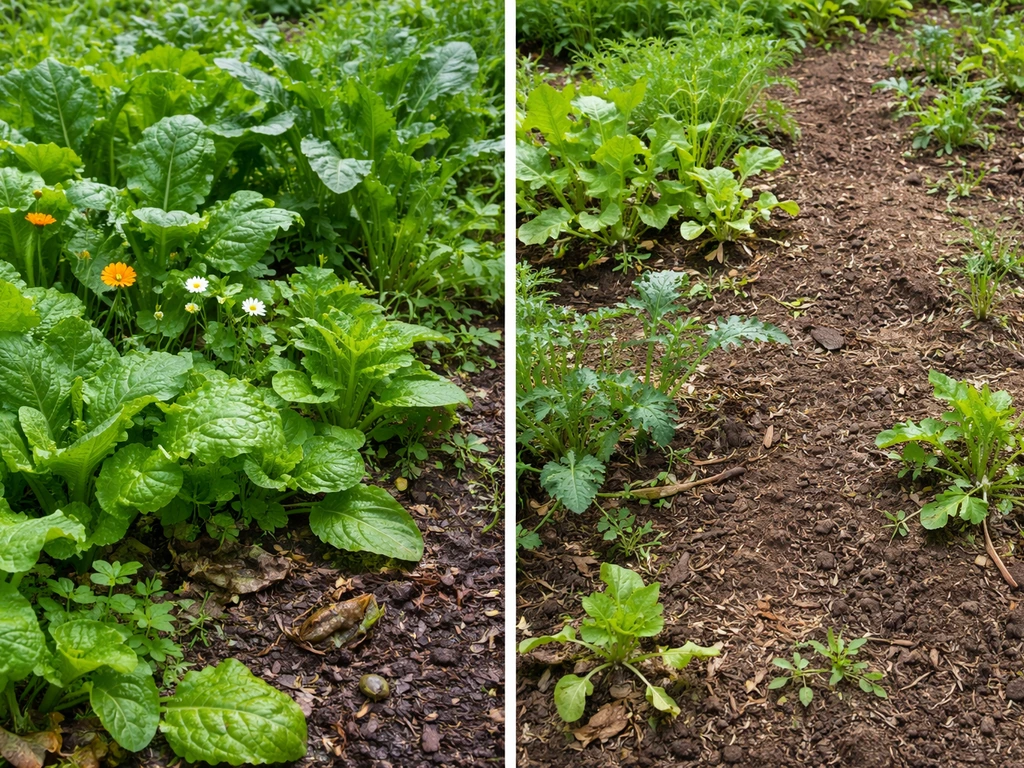
Short version: yes, with some caveats. Frog is a solid pick if you have a dense garden full of high-value plants, because that's where its passive shines the most. The 24-hour growth skip every 20 minutes adds up fast, effectively compressing multiple harvest cycles into a much shorter real-time window. If your farm is sparse or you're still in the early stages with mostly low-value crops, you'll feel its impact less, but it's still never a bad pet to have. For mid-to-hardcore players optimizing output, Frog earns its Legendary status.
How frogs work in Grow A Garden (mechanics & roles)
Frog was introduced during the Lunar Glow Event 2025 (Update 4.3.2) as a Legendary-tier pet. Its entire identity revolves around one passive ability: it croaks on a timer of roughly every 20+ minutes, and each croak advances one random nearby plant's growth by 24 hours. That's it, and honestly, that simplicity is part of what makes it so useful.
The key word to keep in mind is 'random nearby plant.' Frog doesn't let you choose which plant gets the benefit. It picks randomly from whatever plants are in its proximity range. This matters a lot for placement strategy, which we'll get into shortly. The role Frog fills is a harvest-timing accelerator, not an egg producer or resource generator. If you need those roles, you're looking at a different creature entirely.
Frog benefits you should expect (value, output, synergies)
The math on Frog's passive is compelling. Every 20 minutes, one nearby plant gains 24 hours of growth. Over three hours of active play (or idle time, since it's passive), that's nine potential 24-hour skips distributed across your nearby plants. For crops with long growth timers, that can cut actual wait time dramatically.
- Passive time-skip: +24 hours of plant growth per croak, every ~20 minutes
- Completely passive: no feeding requirements or interaction needed to trigger the croak
- Scales with plant density: more nearby plants means more crops that can benefit from each croak
- Compounds over time: the longer you run your farm, the more total growth-hours Frog accumulates
- Synergizes well with high-value, slow-growing crops where shaving harvest time matters most
The synergy angle is worth highlighting. If you pair Frog with a garden layout focused on clustered, high-value crops, you're essentially turning its random targeting from a weakness into an acceptable tradeoff. When every nearby plant is worth accelerating, it doesn't matter much which one gets picked on any given croak. That's the mindset to build around.
Downsides & tradeoffs (when frogs aren't worth it)
Frog isn't perfect for every setup, and it's worth being honest about where it underperforms. The biggest issue is the random targeting. If your garden has a mix of nearly-ready plants and seedlings, the croak might land on a plant that barely needed the boost, wasting the 24-hour skip. You can't control which plant gets selected, so inefficient layouts hurt Frog's value significantly.
- Random nearby plant targeting means empty or low-value spots dilute its effectiveness
- The 20+ minute cooldown is not extremely fast, so it won't save you in short sessions
- It doesn't produce eggs, coins, or resources directly, so it won't help loops focused on those outputs
- If your garden is mostly sparse or early-stage, the per-croak value is lower than in a packed, mature setup
- As a Legendary from a limited event, it's not trivially easy to obtain multiples for stacking
Bottom line on tradeoffs: Frog rewards players who have already built out a solid, dense garden. If you're early in progression with a small or scattered farm, you'll get some value but not enough to prioritize it over other foundational creatures. Optimize your garden layout first, then let Frog shine.
Breeding/obtaining frogs efficiently (if applicable)
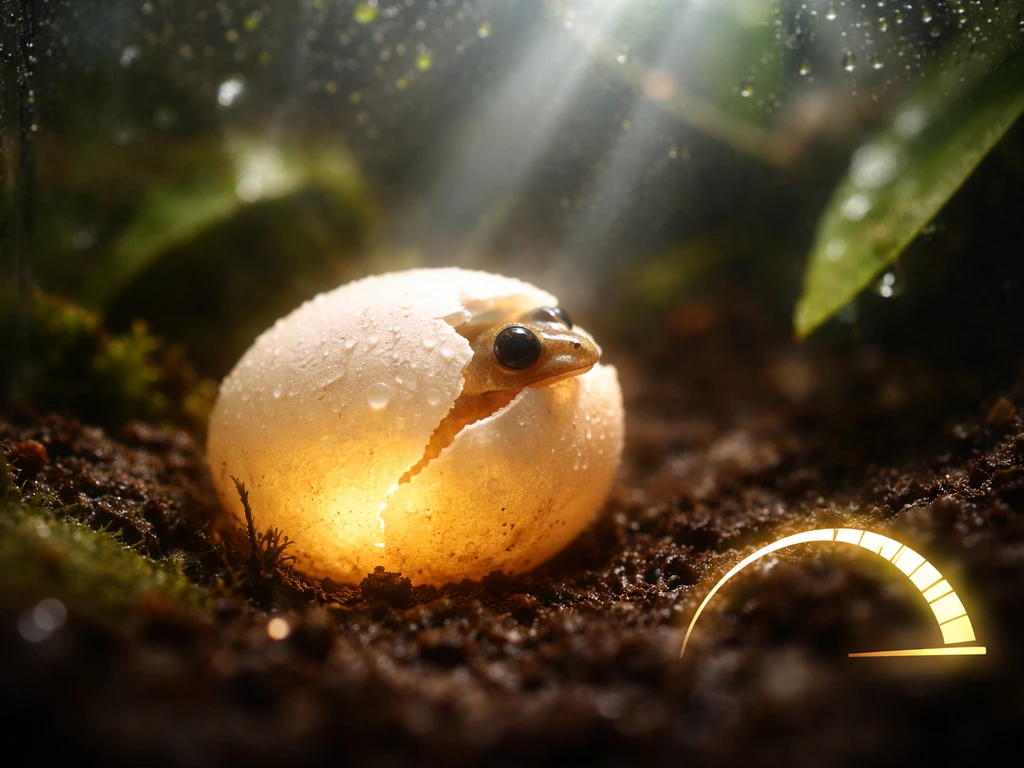
Frog comes from the Night Egg. The hatch odds vary slightly depending on the source you check, but you're looking at roughly a 14 to 17.63% chance of hatching a Frog from a Night Egg. For reference, the Night Egg pool also includes Echo Frog at around 8. On the Night Egg hatch pool, Frog is listed at 17.63% and Echo Frog at 8.23% blank" rel="noopener noreferrer">Night Egg pool also includes Echo Frog at around 8.23%. 23%, which is the Mythical-tier variant that shares Frog's model but has its own passive timing.
| Pet | Rarity | Night Egg Hatch Chance |
|---|---|---|
| Frog | Legendary | ~14% to 17.63% |
| Echo Frog | Mythical | ~8.23% |
If you're farming Night Eggs specifically to get a Frog, the odds are reasonable for a Legendary. Roughly one in six eggs should yield a Frog at the higher estimate, which is solid. Stack as many Night Eggs as you can before opening them if you want a shot at multiple Frogs in one session. The Echo Frog is rarer but worth knowing about since it operates similarly. If you're curious about what separates the two, the Echo Frog comparison is worth a separate look.
Best use cases and farm progression guidance
Frog fits best in mid-to-late progression, once your farm is filled with valuable plants that genuinely benefit from a 24-hour push. Here's how to think about it at different stages:
- Early game: If you happen to get a Frog from a Night Egg, keep it. It'll still give you passive growth boosts. Just don't go out of your way to farm Night Eggs only for Frog this early.
- Mid game: This is Frog's sweet spot. You likely have a variety of plants with meaningful growth timers, and Frog's 24-hour skip compresses your harvest schedule noticeably.
- Late/hardcore game: Place Frog in a zone packed with your highest-value, slowest-growing crops. Maximize the number of eligible nearby plants so every croak lands somewhere useful.
- Layout tip: Cluster your most valuable crops in a tight area and position Frog at the center of that cluster to maximize proximity coverage and minimize wasted croaks.
One practical tip: because Frog's benefit is passive and timer-based, it works while you're away from the game too. Setting up a Frog in a well-stocked garden zone before logging off is a legitimate strategy to come back to more progressed crops. Think of it as a low-effort efficiency tool that rewards good farm layout more than active management.
Comparison: Frogs vs other creatures (what to choose instead)
Frog competes for pet slots with creatures that serve very different functions. The question isn't whether Frog is strong in a vacuum, it's whether its plant-growth acceleration role is what your farm needs right now versus egg production, resource generation, or other passive effects. Here's a practical breakdown:
| Creature | Role | Best For | Choose Over Frog When... |
|---|---|---|---|
| Frog (Legendary) | Plant growth accelerator (+24hr per croak, ~20min cooldown) | Dense gardens with slow-growing high-value crops | You need faster harvest cycles passively |
| Echo Frog (Mythical) | Plant growth accelerator (faster croak interval than Frog) | Same role as Frog but with higher frequency and rarity tier | You can obtain one; it outperforms Frog in the same role |
| Other growth pets | Varies by pet (resource, egg, or growth buffs) | Egg-loop or resource-focused farm setups | Your farm is built around egg generation or coin income over harvest timing |
The clearest head-to-head is Frog versus Echo Frog. Echo Frog is Mythical tier and croaks on a faster interval, meaning it delivers more growth skips per hour. If you can get an Echo Frog, it's the upgrade. But Frog is considerably easier to hatch from Night Eggs (roughly double the odds), so it's the more accessible choice for most players. Run Frog until you can secure an Echo Frog, and consider running both if you have the pet slots.
Action plan: next steps to incorporate frogs today
If you want to start using Frog effectively right now, here's exactly what to do:
- Farm Night Eggs if you don't have a Frog yet. At roughly 14 to 17.63% hatch odds, you're not grinding forever. Open them in batches for the best experience.
- Once you have a Frog, place it in the most plant-dense area of your farm. Center it near your most valuable, slow-growing crops to maximize how often useful plants get the croak benefit.
- Fill the area around Frog with high-value plants. Eliminate empty slots or low-value fillers near it. Every nearby plant should be something worth accelerating.
- Check if you can get an Echo Frog from Night Eggs at the same time. The 8.23% odds are lower, but it's worth knowing the upgrade path exists.
- Let Frog run passively. You don't need to babysit it. Log off with a good setup and come back to faster-progressed plants.
- Revisit Frog's placement as your farm evolves. If you add a new high-value crop zone, move Frog to wherever it gets the most density coverage.
Frog is one of those pets that rewards you more the better your farm layout is. To fit Frog’s role well, make sure you understand what frogs eat in Grow a Garden so you can support their care. Get one, place it well, and let the passive croaks do the work. It's a legitimate Legendary for a reason, and once your garden is dense enough to take full advantage of that 24-hour skip, you'll feel the difference in your harvest schedule quickly. If you're wondering what type of frog is good to grow, Frog in Grow A Garden is best thought of as a Legendary pet that accelerates plant growth with timed croaks.
FAQ
If Frog targets plants at random, how do I place it to get the most benefit?
Yes, but the value drops. Frog must be placed within proximity of the crops you want affected, and if your garden is small or spread out, its random croak will often land on lower-priority or already-near-ready plants, wasting potential 24-hour skips.
Can I control which specific plant Frog accelerates?
You cannot. Frog gives a 24-hour push based on whichever nearby plant it selects when the timer triggers, so staggered or mixed-timing beds (seedlings next to nearly mature crops) can reduce efficiency. If your garden layout is uniform, you lose less to “bad” targeting.
Does Frog work equally well for fast and slow crops?
Frog is usually strongest on crops with longer growth timers, because each 24-hour jump meaningfully compresses a wait period. For very short growth crops, a 24-hour boost may overlap with natural cycles and feel less impactful than for slower crops.
If my main problem is resources or egg production, will Frog still help much?
Not in most cases. Frog advances growth by 24 hours each croak, it does not generate extra resources or eggs. If your bottleneck is materials, breeding, or egg production, you may get better overall results by choosing a pet that directly matches that bottleneck.
What garden layout strategy best complements Frog’s random targeting?
Pairing Frog with a densely planted zone is better than mixing. Keep high-value crops clustered within Frog’s effective range, and avoid placing seedlings or low-value plants in the same area if you want each croak to land on something worth accelerating.
How do I avoid “wasted” growth skips on plants that are already ready to harvest?
If a plant reaches harvest-ready status before Frog advances it again, you may not benefit from a second 24-hour push on that same crop. Practically, try to align crop batches so that plants inside Frog’s range are at similar growth stages when croaks occur.
Should I replace Frog immediately if I hatch an Echo Frog?
Echo Frog is the upgrade if you have one, since it triggers more frequently and can deliver more growth skips per hour. Frog can still be worth keeping if you need an accessible Legendary now, or if you have extra pet slots to run both.
Does Frog keep working while I’m away from the game?
Yes. Since Frog’s effect is passive and timer-based, it can continue progressing your plants while you’re offline, provided Frog remains placed and the crops are within its proximity range. Think of it as a setup-and-return efficiency tool rather than something you must babysit.
At what point in progression is it worth prioritizing Frog?
It depends on your current progression. If your farm is early and sparse, the randomness is more likely to hit low-value targets, so its real-time gains are smaller. Prioritize layout and crop value density first, then add Frog when you can consistently benefit from nearby acceleration.
Should I open Night Eggs immediately or save them to hatch multiple Frogs?
For Night Eggs, your odds are roughly one in six at the high estimate, so it’s rational to stockpile Night Eggs and open them when you can benefit from multiple hatches in one session. If you can also accept Echo Frog variants, that gives you an extra reason not to rush.
Next Article
What Do Frogs Eat in Grow a Garden? Echo Frog Guide
Food list and feeding tips for frogs and Echo frogs in Grow a Garden, plus what not to feed and quick next steps.