A Primal Egg in Grow a Garden hatches into one of six dinosaur pets: Parasaurolophus (35%), Iguanodon (32.5%), Pachycephalosaurus (28%), Dilophosaurus (3%), Ankylosaurus (1%), or Spinosaurus (0.5%). The outcome is purely RNG based on those fixed probabilities. You cannot influence which creature you get by changing incubation conditions. blank" rel="noopener noreferrer">The hatch takes 4 hours and 10 minutes, and you need a Bone Blossom plus a DNA upgrade active to complete it.
What Does Primal Egg Hatch Into in Grow a Garden

Julian Russo
19 Jun 2026

Every creature a Primal Egg can hatch into
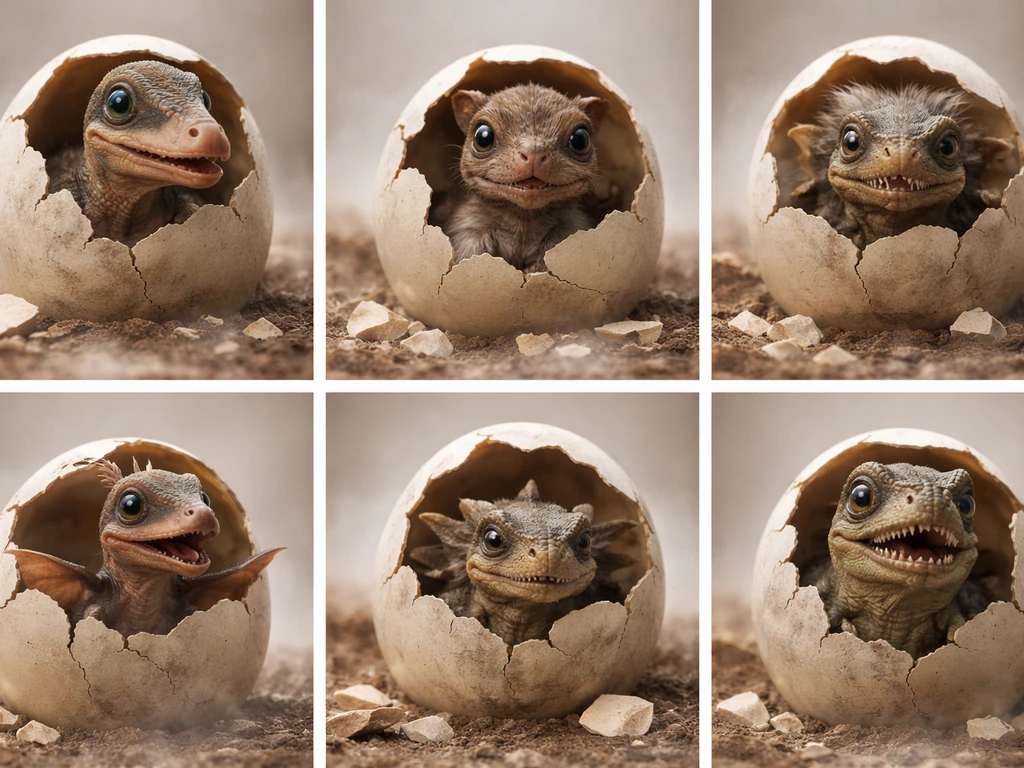
There are exactly six possible outcomes from a Primal Egg. Three of them make up almost 96% of all hatches, so you should plan around getting one of those rather than expecting anything rare. Here is the full breakdown:
| Creature | Hatch Chance | Key Ability |
|---|---|---|
| Parasaurolophus | 35% | Experience/XP bonus passive for nearby crops |
| Iguanodon | 32.5% | Experience bonus mechanic, useful for leveling |
| Pachycephalosaurus | 28% | Headbutt-style ability affecting crop interactions |
| Dilophosaurus | 3% | Venom spreading to fruits, cooldown and XP effects |
| Ankylosaurus | 1% | Defensive/utility passive on your plot |
| Spinosaurus | 0.5% | Food Chain: steals mutations from fruits, then applies them to another fruit every ~20 minutes |
Spinosaurus is the clear jackpot at 0.5%. Its Food Chain passive devours a random mutation from a fruit in your garden on roughly a 20-minute cycle, then roars and applies that mutation to a different fruit. That is a genuinely powerful mechanic for spreading valuable mutations across your plot without manual breeding. Ankylosaurus at 1% is the second rarest. Dilophosaurus at 3% is situationally useful. The top three are the likely outcomes, and while none of them are bad, they do not have the same ceiling as Spinosaurus.
How Primal Egg incubation and collection works
Primal Eggs were introduced in update 1.14.0. You can get them two ways: buy one directly for 149 Robux, or earn them by giving Graham (the NPC) a non-dinosaur pet, which gives you a chance to receive 1 to 4 Primal Eggs as a reward. The Graham route is the free-to-play path, but it is not guaranteed, so factor that into your planning.
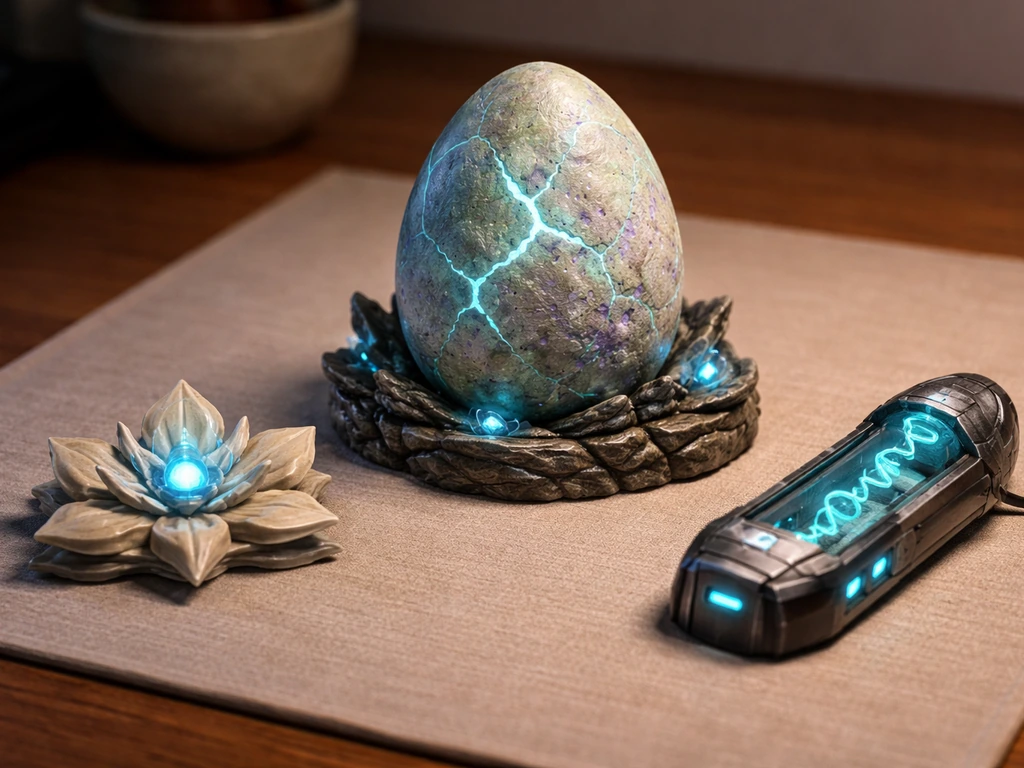
To hatch a Primal Egg, equip it from your inventory and place it on any open space on your plot. The egg will begin incubating. You also need Bone Blossom and a DNA upgrade active for the hatch mechanics to work properly, so make sure those are in place before you start the timer. The hatch completes after exactly 4 hours and 10 minutes, at which point your dinosaur pet appears on your plot. The Primal Egg hatch time is listed as 4 hours 10 minutes, and the same six-pet set with fixed probabilities is provided in third-party breakdowns hatch completes after exactly 4 hours and 10 minutes.
One important note: the outcome is locked by probability at the moment of hatching. There is no in-game mechanic that lets you pick a specific creature or skew the odds toward Spinosaurus. What you see in the probability table is exactly what you get. However, the hatch outcome does not include any way for the egg to directly grow a garden.
Rarity, stats, and where Primal pets land in the tier list
Spinosaurus is the reason most serious players want a Primal Egg. The Food Chain mechanic is one of the more interesting passive abilities in the game because it automates mutation spreading, which is otherwise a manual, time-consuming process. For mid-to-hardcore players building optimized farms, having Spinosaurus active is a genuine efficiency boost. Ankylosaurus and Dilophosaurus fill niche utility roles and are worth keeping if you land one, but they are not farm-defining.
The top three outcomes (Parasaurolophus, Iguanodon, Pachycephalosaurus) are solid but not elite. They offer XP and experience bonuses that help with leveling, which matters in the early-to-mid game but becomes less critical once your crops are established. If you are already a mid-to-hardcore optimizer, landing one of these from a Primal Egg feels underwhelming compared to what you were hoping for.
In terms of tier positioning, Spinosaurus sits comfortably in the top tier for passive utility. Dilophosaurus and Ankylosaurus are mid-tier with specific use cases. Parasaurolophus, Iguanodon, and Pachycephalosaurus are reliable lower-tier pets that serve newer players better than experienced ones. If you are comparing Primal Eggs against other egg types, the upside is uniquely high (Spinosaurus is only obtainable from Primal Eggs), but the probability of hitting that upside is low. That tradeoff is the core decision point.
Are Primal Eggs actually worth it compared to alternatives?
It depends on what you are optimizing for. If you want Spinosaurus specifically, Primal Eggs are your only option. There is no other way to get it. That makes Primal Eggs worth attempting if mutation spreading is a priority for your farm. But you are looking at a 0.5% chance per egg, which means statistically you could hatch 200 eggs and still not see one. That is the honest math.
If you just want strong pets generally, other egg types may offer better expected value depending on their hatch pools and costs. Primal Eggs cost 149 Robux each if purchased directly, and the Graham route is free but inconsistent. For comparison, eggs like the Paradise Egg or eggs tied to Mythical or Divine tier creatures have their own probability structures and may better match your farm goals. If you want the Paradise Egg specifically, check its own probability breakdown and how it compares to Primal Eggs before you spend. The Primal Egg is not a bad spend, but it is a high-variance one. You are buying a lottery ticket for Spinosaurus while knowing the most likely outcome is a common dinosaur.
For newer players, any Primal hatch is a win because the XP-boosting dinosaurs genuinely help early progression. For optimizers, the value calculation is purely about Spinosaurus, and you should only spend real currency on Primal Eggs if you are comfortable with the RNG reality.
Best way to get usable Primal hatches right now
- Check your current setup: Make sure you have Bone Blossom and a DNA upgrade active before placing any egg. Starting a 4-hour-plus hatch without the required upgrades is a wasted timer.
- Use the Graham method first: Before spending Robux, try giving Graham a non-dinosaur pet. If you have spare pets in your inventory that you are not using, this is a free shot at getting 1 to 4 Primal Eggs with no cost.
- Hatch during downtime: The 4h 10m timer runs whether you are online or not, so place your egg before logging off for the night or heading into a long session of other tasks. You lose nothing by letting it run in the background.
- Set expectations before you open: Remind yourself that a 95%+ chance exists of getting one of the top three common dinosaurs. If you get Dilophosaurus or better, treat it as a bonus, not the baseline.
- If chasing Spinosaurus, batch your eggs: If you have multiple Primal Eggs, hatch them in sequence to maximize your attempts. Each egg is an independent roll, so more eggs means more chances at the 0.5% outcome.
- Keep every result: Even common dinosaurs like Parasaurolophus and Iguanodon provide XP bonuses that help earlier-game crops level faster. Do not dismiss a common hatch as useless, especially if your farm is still scaling.
- Track your hatches: Community reports show Spinosaurus does drop from Primal Eggs in practice. Players have confirmed landing it on a first egg and on a last egg. There is no pity system documented, so each hatch is a fresh roll.
Common mistakes that waste eggs or mislead your expectations
Hatching without the required upgrades in place
This is the most costly mistake. If you place a Primal Egg without having Bone Blossom or the DNA upgrade active, the hatch mechanic does not work as intended. Always verify your setup before starting the timer. Four hours is a long time to wait only to find something went wrong with your configuration.
Assuming you can influence the outcome
A lot of players try different plot positions, timing tricks, or playtime strategies hoping to tilt the odds. There is no documented mechanic that changes Primal Egg hatch probabilities. Players on r/growagardenroblox describe hatching a Primal Egg on their first try, which reflects the subjective, highly RNG-dependent nature of the outcomes blank" rel="noopener noreferrer">Primal Egg hatch probabilities. The six outcomes and their exact percentages are fixed. If you are curious about whether playtime luck affects eggs generally, that is worth exploring separately, but for Primal Eggs specifically, the outcome pool is set. Playtime luck can affect other egg outcomes in Grow a Garden, so it is worth checking the general system beyond Primal Eggs.
Dismissing common results as trash
Community threads are full of frustration about getting Parasaurolophus or Iguanodon repeatedly. That frustration is understandable if you were chasing Spinosaurus, but those common hatches are genuinely useful for XP bonuses, especially for players who are still leveling crops. Releasing or ignoring them entirely is leaving value on the table.
Spending Robux without a clear goal
At 149 Robux per egg and a 0.5% Spinosaurus rate, buying Primal Eggs repeatedly is expensive. If your goal is just to have a strong pet and you are not specifically targeting Spinosaurus, there may be better eggs to spend on depending on the current meta. Compare the Primal Egg pool against other egg types before committing real currency, especially since other egg categories like Divine or Mythical-tier eggs have different probability structures and creature pools that might align better with your farm goals.
Forgetting to collect after the timer ends

The egg does not auto-collect. Once your 4h 10m is up, you need to return to your plot and interact with it to claim your pet. Leaving it uncollected does not hurt anything, but it does mean your plot space is occupied and you cannot start another hatch until you claim it. Build the collection step into your routine so you are not losing time between hatches.
FAQ
Can I pause or speed up the 4 hours and 10 minutes hatch timer for a Primal Egg?
The hatch time is fixed at 4h 10m, so there is no intended way to speed it up by changing incubation conditions. If you are trying to optimize scheduling, plan your start time around when you can return and claim the hatch.
Do I have to equip Bone Blossom and the DNA upgrade before placing the Primal Egg, or can I activate them after incubation starts?
You should have Bone Blossom and a DNA upgrade active before you start the timer, because the hatch mechanics require both to be in place for it to work correctly. Waiting until after incubation begins risks the hatch not behaving as intended.
Will different plot locations change which dinosaur I hatch from a Primal Egg?
No. The Primal Egg outcome is determined by the fixed probability table at hatching, plot position and other “timing tricks” do not let you skew odds toward Spinosaurus.
What happens if I forget to claim the hatch right after it finishes?
Your dinosaur will be ready after 4h 10m, but the egg does not auto-collect. You need to interact to claim it, and leaving it unclaimed keeps your plot space occupied, which can delay starting the next hatch.
If I hatch a common dinosaur repeatedly, is it worth keeping them or should I release them?
Generally, you should keep them at least until you are done leveling. Even the higher frequency dinos provide XP benefits, releasing them early can be a practical mistake if you are still progressing your crops.
Can I get Primal Eggs from multiple Graham gifts in one day, or is there a limit?
The article confirms the Graham route can reward 1 to 4 Primal Eggs, but it does not specify any daily or inventory limits. If you are planning to grind this method, check the Graham interaction for any cooldown or caps before budgeting your non-dinosaur pet sacrifices.
Is Spinosaurus only useful for mutation spreading, or does it matter for other gameplay goals too?
Its standout value is the Food Chain passive, which automates spreading mutations by consuming a random mutation from a fruit and applying it to another on a repeating cycle. If your priority is broad mutation coverage across your garden, that passive is the main reason Spinosaurus is worth targeting.
Is buying Primal Eggs always worse than other egg types, or can they be the best choice sometimes?
Primal Eggs are high variance. They are only “best” when you specifically value Spinosaurus for its passive automation, but if you just want a strong pet with a better expected hit rate, other egg categories may offer better value depending on their hatch pools and probabilities.
Does playtime luck affect Primal Eggs the same way it can affect other eggs?
For Primal Eggs specifically, the outcome pool is fixed and not affected by incubation changes. The article notes playtime luck can influence other egg outcomes in Grow a Garden, so it may be relevant elsewhere, not for Primal Egg hatch probabilities.
What is the most practical way to decide whether to spend Robux on Primal Eggs?
Use the 0.5% Spinosaurus rate to frame your risk. If you cannot accept that you might hatch a large number of eggs without hitting it, it is safer to either reduce spending or compare with other egg types that match your goals, since Primal Eggs are essentially buying a lottery for the Spinosaurus upside.
Next Article
What Egg Hatches the Frog in Grow a Garden: Egg Guide
Find the exact Grow A Garden Frog egg, spawn sources, hatch steps, variants, feeding, breeding, and best farm builds.