The Bug Egg is worth hatching in Grow A Garden, but only under the right circumstances. At 50,000,000 Sheckles and an 8-hour hatch timer, it's a meaningful investment, and whether it pays off depends heavily on what you're chasing from it. If you're hunting the Dragonfly or Praying Mantis, the math is tough but the reward is real. If you're fine landing a Caterpillar or Snail, you'll get something useful without much heartbreak. Here's the full breakdown so you can decide quickly.
Is the Bug Egg Worth It in Grow a Garden? Full Guide

Julian Russo
14 Apr 2026
What the Bug Egg actually gives you

The Bug Egg has five possible hatch outcomes, each with a fixed probability that always adds up to 100%. There's no RNG manipulation or boosting mechanic that shifts these odds, so what you see is what you get every single hatch.
| Creature | Hatch Chance | Tier |
|---|---|---|
| Caterpillar | 40% | Common-ish |
| Snail | 30% | Mythical |
| Giant Ant | 25% | Rare/Utility |
| Praying Mantis | 4% | Mythical |
| Dragonfly | 1% | Divine |
The Caterpillar at 40% is your most likely result and the least exciting one. The Snail at 30% is a solid Mythical-tier creature. The Giant Ant at 25% is a utility-focused pet with real farm value. The Praying Mantis at 4% is a Mythical-tier creature that works specifically on fully grown crops. And the Dragonfly at 1% is the crown jewel: a Divine-tier pet that reduces crop growth time by 7%, making it one of the more coveted outcomes in the game. You can cross-reference this hatch pool against what's inside the Mythic Egg if you're weighing which egg pool gives you better returns overall.
To hatch the Bug Egg, you buy it from the Pet Egg Shop (it only appears in the shop about 3 to 7% of the time on any given restock), place it on your plot, and wait out the 8-hour incubation timer. The shop refreshes every 30 minutes, so if you miss the Bug Egg in one cycle, check back in half an hour.
Is the Bug Egg worth the cost
Fifty million Sheckles is a lot, especially for newer players. Let's put that in perspective against what you're likely to get. Seventy percent of the time (Caterpillar + Snail combined), you're walking away with either an average result or a decent Mythical pet. The Snail has a genuine passive ability that gives you an extra 5.08% chance for harvested plants to drop seeds, which adds up meaningfully over time. The Giant Ant is even more impactful at 25%: it carries roughly a 10% chance to duplicate harvested crops on top of a 5% bonus duplication chance for candy-type plants. If you farm heavily, that duplication passive is direct Sheckle value.
So across 70-95% of your hatches, you're getting something that's at minimum useful and at best actively strong. That makes the 50M price tag defensible for mid-to-late game players who can absorb the cost and use the creatures. For early-game players, spending 50M on a Bug Egg when you could stack Common or Legendary Eggs for more consistent results is harder to justify. The Legendary Egg, by comparison, costs less per hatch and incubates in just 4 hours versus the Bug Egg's 8 hours, so you're paying more in both money and time here.
The real value spike comes when you land the Dragonfly or Praying Mantis. A Divine-tier Dragonfly trades at a premium in the community and provides that 7% crop growth reduction that efficiency-focused players actively seek. If you're the type of player who also cares about the Mythical Egg's value proposition, you already know that chasing low-percentage Divine and Mythical outcomes is part of the endgame loop.
How good are the Bug creatures in actual gameplay

Dragonfly (1%): the best possible outcome
The Dragonfly is the reason most optimized players bother with the Bug Egg at all. A 7% reduction in crop growth time is straightforwardly valuable: faster harvests mean more cycles per session, which compounds into more Sheckles and more resources. It's a Divine-tier pet and trades at high value in the community pet market. If you want to understand where the Dragonfly sits relative to other high-tier pets, the broader debate around whether Nightmare beats Rainbow in Grow A Garden gives a useful frame for how Divine-tier pets get evaluated against each other.
Praying Mantis (4%): niche but legit
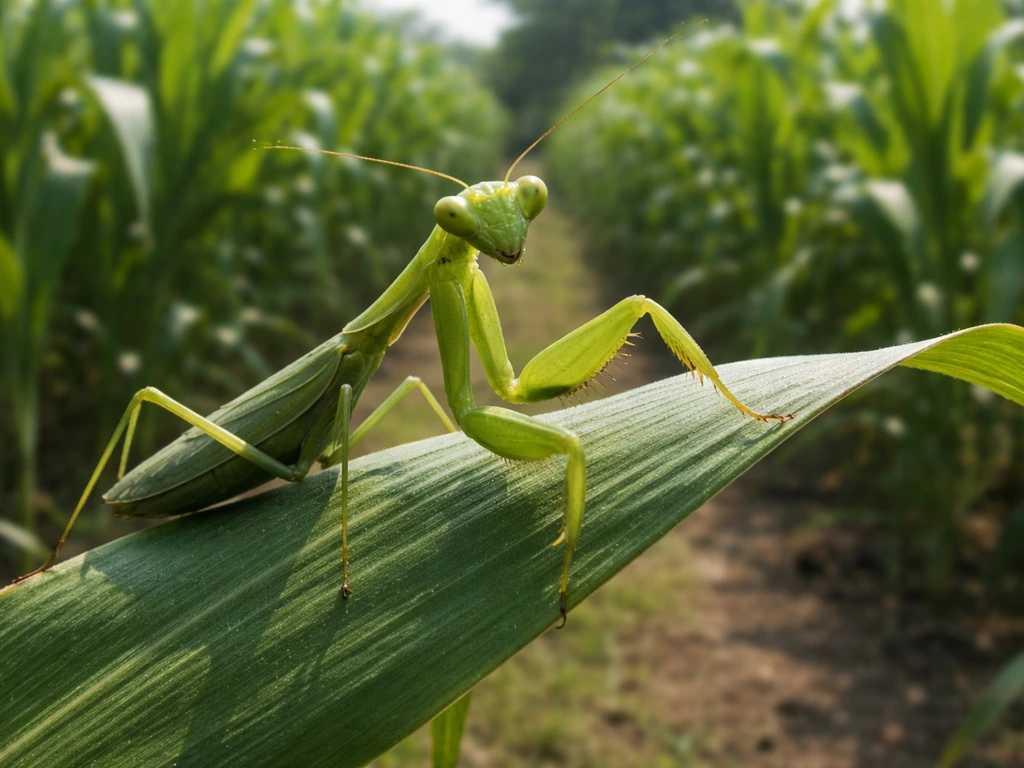
The Praying Mantis is a Mythical-tier pet with a specific interaction with fully grown crops, which separates it from Butterfly or Dragonfly in terms of when its passive fires. It's not the flashiest creature in the pool, but at 4% it's a realistic chase target if you're planning multiple hatches, and Mythical-tier always has trade value.
Giant Ant (25%): the underrated workhorse
The Giant Ant gets overlooked because people fixate on the 1% Dragonfly, but a 10% crop duplication chance is genuinely powerful for farming efficiency. If you run candy-type plants, that additional 5% duplication bonus stacks on top. This is a utility pet that earns its keep in mid-game farm setups, and landing it on a hatch doesn't feel like a loss at all.
Snail (30%): solid Mythical for seed farming
A 5.08% bonus seed drop chance from every harvest adds up over many cycles. The Snail is Mythical-tier, so it holds trade value and contributes meaningfully to seed-heavy farming strategies. Landing a Snail is a decent result. If you're curious how it stacks up in the broader tier discussion, the comparison of whether Mythical creatures beat Legendary ones covers where Mythical-tier pets land in the overall power ranking.
Consistency and odds: what to realistically expect
The Bug Egg's 8-hour hatch time is the longest you'll deal with outside of special event eggs. For comparison: Common Eggs take 10 minutes, Mythical Eggs take around 5 hours, and Legendary Eggs take 4 hours. The Bug Egg is the most time-intensive standard egg in the shop. That means if you're hatching multiple eggs in parallel or trying to quickly test your luck, the Bug Egg will bottleneck you.
The shop availability adds another friction layer. The Bug Egg appears in the Pet Egg Shop at roughly a 3 to 7% rate per restock cycle, and the shop refreshes every 30 minutes. You may need to check the shop many times before you even see one available to buy. This scarcity actually makes the egg feel more valuable when you find it, but it also means you can't reliably farm multiple Bug Eggs per day the way you might with Common or Legendary Eggs.
On pure probability: if you hatch 10 Bug Eggs, statistically you should see about 4 Caterpillars, 3 Snails, 2-3 Giant Ants, and maybe one Praying Mantis. The Dragonfly at 1% means you'd expect to see one roughly every 100 hatches. That's a brutal grind at 50M per egg and 8 hours per hatch. Chasing the Dragonfly specifically is a long game.
When to hatch and when to skip
Here's a straightforward set of decision rules based on where you are in the game:
- Hatch it if you're mid-to-late game and have 50M to spend without it hurting your operations. You'll get useful creatures in most outcomes.
- Hatch it if you specifically need a Giant Ant or Snail for your current farm setup, since the combined 55% chance means you'll likely land one within two or three hatches.
- Hatch it if you're building your collection and want Bug-type creatures. Every hatch fills a slot.
- Hatch it if you already have a solid creature roster and are chasing the Dragonfly for trade value or farm efficiency. Just go in knowing it may take many hatches.
- Skip it if you're early game and 50M is a significant chunk of your Sheckles. Spend that on upgrading your plot or buying lower-cost eggs with faster hatches first.
- Skip it if you need hatches quickly. Eight hours per hatch is a long wait, and Legendary Eggs at 4 hours give you twice the hatch cycles in the same time window.
- Skip it if the shop isn't showing it today. Don't hold off on other purchases just waiting for a Bug Egg to appear.
What to do after you hatch the Bug Egg
Your next move depends on what you hatched. Here's how to assess the result quickly and what to do with each creature:
- Caterpillar: Evaluate your collection first. If you already have one, it's a candidate for trading or releasing to free inventory space. It's the least impactful creature in the pool, so don't over-invest in upgrading it unless you have a specific reason.
- Snail: Slot it into your farm immediately if you're doing seed-farming runs. The 5.08% bonus seed drop stacks with harvest volume, so it pays for itself over time. Keep it active rather than benching it.
- Giant Ant: Put it on your plot and run crop duplication tests. If you're growing candy-type plants, this is especially strong. It's a reliable mid-game pet that you'll use for a long time. Don't trade this one away lightly.
- Praying Mantis: Check your current pet lineup for synergy with fully grown crops. If you already have strong mutation-focused pets, the Mantis can complement the setup. It also holds solid Mythical trade value if you prefer to use it as currency.
- Dragonfly: Equip it immediately and measure the difference in harvest cycle speed. A 7% crop growth reduction stacks with other speed bonuses. This is a keeper. If you somehow have a duplicate, it's one of the strongest trade assets you can offer.
Regardless of what you hatch, make sure you're not sitting on duplicate pets without a plan. Inventory space matters, and holding onto a second Caterpillar just because it came from a Bug Egg doesn't serve your farm. Trade duplicates, free up space, and keep the hatch cycle going if you have the Sheckles and the patience.
The Bug Egg is worth it for most mid-to-late game players. The five-creature pool leans toward utility (Giant Ant, Snail) more than most people realize, and the ceiling (Dragonfly) is legitimately high. Just price in the 8-hour wait, keep an eye on shop restocks every 30 minutes, and have a clear goal for what outcome you're targeting before you spend the 50M.
FAQ
When is the best time to hatch a Bug Egg, early game or mid-to-late game?
You should treat it as a “targeted chase” purchase, not a normal progression egg. If your goal is Dragonfly or Praying Mantis specifically, you can plan around the 1% to 4% odds, but if you just want steady value, Legendary or Mythical eggs usually produce better time-to-output because their hatch times are shorter.
Does the 8-hour incubation time make Bug Eggs inefficient if I hatch multiple eggs?
Use the 8-hour timer as a planning constraint. Only buy more than one Bug Egg if you can afford parallel incubation slots without stalling other egg hatches, because the Bug Egg will limit how quickly you can test luck compared with faster eggs.
Can I manipulate the Bug Egg hatch odds by waiting longer or restarting cycles?
No, there is no odds-changing mechanic for the Bug Egg pool. That means “refresh hunting” only affects whether you can buy the egg, not what you get once it hatches, so you should avoid over-spending time and Sheckles chasing a feeling of improved luck.
What if 50M Sheckles would hurt my farm efficiency, is the Bug Egg still worth it?
Yes, you should avoid buying it if 50M Sheckles would delay your next farm upgrades or supply costs. A practical rule is to hatch Bug Eggs only when you already have enough active farming capacity to benefit from the passives (especially Snail seed drops and Ant crop duplication) during the next several harvest cycles.
Is the Dragonfly’s 7% crop growth reduction actually noticeable in normal play?
Dragonfly’s impact is most valuable when you are reliably farming fully grown crops through repeated cycles, since the 7% growth reduction translates into more harvests over time. If your sessions are short or you frequently miss harvest windows, the time reduction may not convert into as much real Sheckle gain.
How should I change my farming routine to get value from Praying Mantis?
For Praying Mantis, timing matters more than raw loot. If your farming pattern includes harvesting fully grown crops consistently, the passive is easier to benefit from. If you often harvest earlier or your workflow delays full maturity, you may underutilize its specific interaction.
If I am not chasing Dragonfly, why might Giant Ant still be the best Bug Egg result for me?
Giant Ant is usually the “set and forget” choice for players focused on consistent farm outputs. The 10% crop duplication and the extra candy-type duplication bonus mean its value shows up through higher-than-normal harvest counts, even if you never hit the Divine tier.
What should I do with duplicates from Bug Eggs, keep them or trade them?
If you hatch for trading, Mythical and Divine outcomes tend to be easier to liquidate. For duplicates, you generally want to trade immediately for space and Sheckles rather than hoarding extra low-percentage results, especially since inventory constraints can force inefficient decisions later.
How can I plan around the Pet Egg Shop randomness for the Bug Egg?
Expect scarcity at the store level, not just the hatch level. Since the shop refreshes every 30 minutes and the Bug Egg appears about 3% to 7% per restock, you may need many checks before you see one, so keep a simple log if you are trying to schedule multiple hatches in a day.
What are reasonable expectations if I hatch 10, 50, or 100 Bug Eggs?
A quick way to sanity-check expectations is to use the pool percentages as a forecast. Over 100 hatches, you would roughly expect about 40 Caterpillars, 30 Snails, 25 Giant Ants, 4 Praying Mantis, and 1 Dragonfly. If that grind cost does not fit your budget, you should stop treating the Dragonfly as a short-term goal.
Should I combine Bug Eggs with other egg types to optimize total efficiency?
Yes, Bug Eggs can bottleneck your overall egg schedule because they are the longest standard egg. If you are optimizing for fastest gear or fastest resource generation, you will typically get better results by alternating shorter eggs to keep your incubation pipeline active and using Bug Eggs only when you specifically want the Bug pool outcomes.
Is chasing the 1% Dragonfly financially realistic, or should I stop at better-tier “safe” outcomes?
If you see a 1% outcome chase in terms of time, it is one of the hardest targets to justify financially. At 50M per hatch, the expected cost to reach Dragonfly is extremely high, so the smarter approach is to buy Bug Eggs only when you can absorb the long run cost and still gain value from the more common Snail and Ant outcomes.
Next Article
What Egg Hatches the Frog in Grow a Garden: Egg Guide
Find the exact Grow A Garden Frog egg, spawn sources, hatch steps, variants, feeding, breeding, and best farm builds.