The Common Egg in Grow A Garden is exactly what it sounds like: the entry-level egg in the Pet Egg Shop, priced at 50,000 Sheckles or 19 Robux, with a 10-minute hatch time and three possible pet outcomes at dead-even 33.33% odds each. It is not a bad egg, but you need to go in with realistic expectations about what you are getting and whether it fits your current farm goals. Here is everything you need to know to hatch it efficiently, understand the outcomes, and decide when it is worth repeating.
Common Egg Grow a Garden Guide: Chances, Care, and Best Pets

Julian Russo
2 Apr 2026
What "Common Egg" actually means in Grow A Garden
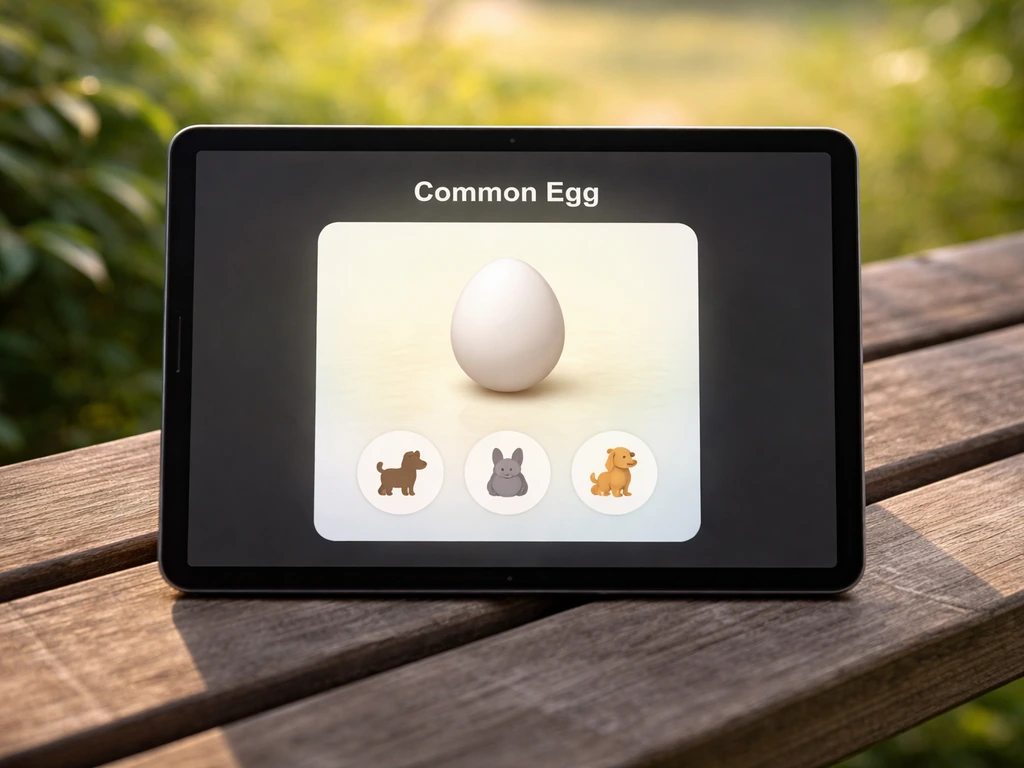
Grow A Garden organizes its eggs into rarity tiers, and Common sits at the bottom of that ladder. That does not mean useless, it means low cost and low variance. The Common Egg costs 50,000 Sheckles from the Pet Egg Shop (or 19 Robux if you want to spend premium currency). Its hatch time is 10 minutes, which is the shortest in the game, making it the fastest way to cycle through pets and build up your farm's creature count.
The egg contains exactly three pets: Dog, Bunny, and Golden Lab. Each one has a 33.33% chance of appearing, so there is no hidden weighting here. You are rolling a three-sided die every single time. Understanding this flatness is key because it affects every strategic decision downstream, from how many eggs to buy at once to how you think about breeding efficiency.
If you are just getting started and wondering which eggs are worth your early Sheckles, it helps to read up on the best eggs to buy in Grow A Garden before locking into a purchase routine. Common Eggs are great for volume plays, but they are not always the best use of a big Sheckle balance.
How to hatch and care for a Common Egg
Hatching a Common Egg does not require a special incubator or ritual setup. Equip the egg from your inventory, then place it on an empty space on your plot. The egg will begin its 10-minute countdown from there. You do not need to babysit it, but you do need the plot space free, so clear a slot before you start.
Once the egg hatches, the resulting pet (Dog, Bunny, or Golden Lab) will appear on your plot ready to work. Each pet has passive bonuses that apply to your crops, so placement matters. Put your new pet where its ability reaches the most active growing zones. Dog and Bunny both have utility, but Golden Lab tends to be the standout from this egg (more on that below), so if you pull one, prioritize its positioning.
On the care side, there is no feeding mechanic for pets post-hatch in the current version of the game. What you are managing is plot space and how you stack multiple pets together for combined passive effects. If you are stacking several Common Egg pets, think about overlap coverage rather than treating each pet as a standalone unit.
One thing that does matter a lot: hatch speed. The 10-minute base timer is already fast, but if you are trying to grind multiple eggs in a session, shaving that down compounds quickly. Check out the guide on how to make eggs hatch faster in Grow A Garden to find out which upgrades and mechanics cut that timer and how much time you realistically save per batch.
What you are realistically going to get out of a Common Egg
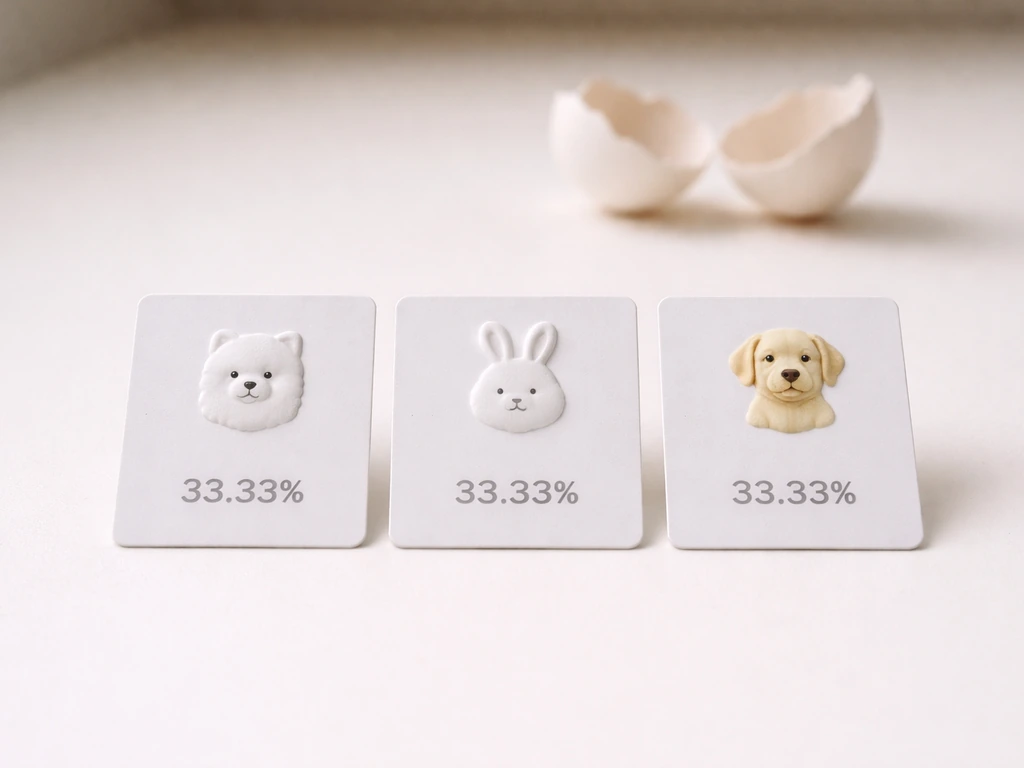
The three pets inside the Common Egg each sit at exactly 33.33%. There is no way to tilt the odds toward one outcome without external mechanics (mutations, seasonal bonuses, or nest upgrades). Here is a straightforward breakdown of what each outcome means for your farm:
| Pet | Drop Chance | Viability Tier | Best Use |
|---|---|---|---|
| Golden Lab | 33.33% | Top pick from this egg | Passive crop yield boost, strongest all-rounder from Common pool |
| Dog | 33.33% | Solid utility | Good early-mid game support, decent passive coverage |
| Bunny | 33.33% | Situational | Useful in certain crop setups, lower ceiling than Golden Lab |
Golden Lab is the reason most players keep buying Common Eggs. It consistently ranks as the best outcome from this pool in the current meta, offering crop yield passives that scale well even as you push into mid-game. Dog is not a throwaway result either, especially early on when any passive coverage helps. Bunny is the weakest of the three in most general farm setups, though it can shine in specific niche builds.
Statistically, if you hatch 10 Common Eggs, you should expect roughly 3 to 4 of each pet. In practice, variance is real: you might get 5 Dogs in a row before seeing your first Golden Lab. That is just how flat probability works, and it is worth keeping in mind so you do not rage-sell a batch of eggs after a cold streak.
How to improve your chances of getting what you want
Since the Common Egg has a flat 33.33% across all three pets, you cannot directly bias the outcome by egg choice alone. What you can do is influence mutation rates and hatch quality through your nest and farm setup. The nest is your biggest lever here. Upgrading it increases the chances of pets hatching with mutations, which turns even a Dog or Bunny into something substantially more useful. If you have not looked into this system yet, the guide on how to upgrade your nest in Grow A Garden walks through exactly what each upgrade level does and which ones are worth prioritizing.
Beyond nest upgrades, here are the practical ways to stack the deck in your favor:
- Hatch in bulk: Running 5 to 10 Common Eggs in sequence rather than one at a time keeps your pet pipeline full and smooths out variance over a session.
- Use hatch speed bonuses actively: Any active hatch speed boost cuts into that 10-minute base, meaning more cycles per hour. Even a 20% reduction saves 2 minutes per egg, adding up to meaningful extra hatches over a long session.
- Target mutation pets specifically: A mutated Dog or Bunny can outperform an unmutated Golden Lab depending on the mutation. Do not auto-dismiss non-Golden-Lab results.
- Time your sessions around seasonal events: Some limited-time events add bonus mutation rates or temporary egg modifiers that apply even to Common Eggs. Watch for these windows.
- Keep your plot space managed: You cannot hatch if your plot is full. Build a habit of reviewing and selling or releasing low-value pets before starting a new hatch batch.
Breeding efficiency: building a repeatable routine
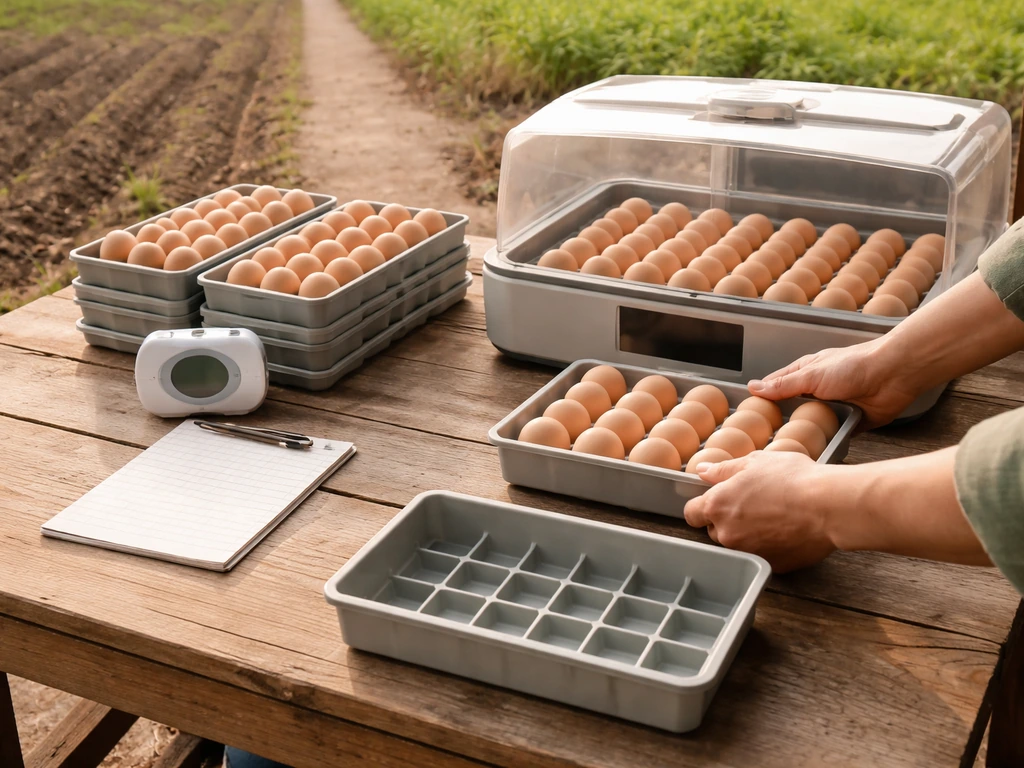
The Common Egg's real strength is its repeatability. At 50,000 Sheckles per egg and a 10-minute hatch time, it is the most accessible egg in the shop. If your farm is generating Sheckles steadily, you can run a continuous Common Egg cycle that gives you a new pet every 10 minutes without ever touching premium currency.
Here is the routine that works well for steady Common Egg grinding:
- Start a session by buying 3 to 5 Common Eggs at once from the Pet Egg Shop so you are not making individual trips.
- Place the first egg on your plot immediately and start the 10-minute timer.
- While it hatches, spend a couple minutes reviewing your current pets and flagging any that are underperforming for release.
- When the egg hatches, evaluate the result: keep if it is a Golden Lab or a mutated variant of anything; release weak unmutated duplicates to free plot space.
- Place the next egg without delay to keep the cycle rolling.
- After your batch is done, sell or trade released pets to rebuild your Sheckle balance toward the next round of 3 to 5 eggs.
On the economy side: a batch of 5 Common Eggs costs 250,000 Sheckles. That is a meaningful chunk, but it is recoverable in a single solid farming session for mid-game players. The key is not spending all your Sheckles on eggs if you need them for other upgrades. Think of Common Egg spending as a percentage of your surplus, not your total balance.
If you are curious how Common Eggs compare to seasonal alternatives, the Common Summer Egg in Grow A Garden is worth understanding too, since seasonal variants sometimes offer meaningfully different pet pools or boosted mutation rates that change the value equation during limited windows.
When Common Eggs stop feeling worth it (and what to do about it)
The most common frustration with Common Eggs is the Golden Lab ceiling. Once you have two or three solid unmutated Golden Labs on your farm, additional ones have diminishing returns fast. At that point, buying more Common Eggs just to chase Golden Labs is a poor use of Sheckles. If you are hitting this wall, shift your routine: switch to higher-tier eggs with different pet pools, or focus Common Egg runs specifically on mutation hunting rather than base pet collection.
Another real issue is opportunity cost. 50,000 Sheckles per egg adds up. If you are spending 500,000 Sheckles on 10 Common Eggs and walking away with mostly unmutated Dogs and Bunnies, you have burned resources that could have gone toward a single Rare or above egg with a more powerful pet pool. Common Eggs are efficient for early and early-mid game, but they do not scale infinitely.
Here is a quick gut-check list to figure out if Common Eggs are still the right move for you right now:
- Do you already have 2 or more Golden Labs with decent mutations? If yes, the marginal value of another Common Egg is low.
- Is your nest at a level where mutations on common pets are actually meaningful? If not, nest upgrades might deliver more value than more eggs.
- Are you in a seasonal event window that boosts Common Egg outcomes? If yes, now is the best time to batch-hatch.
- Are higher-tier eggs within reach financially? If you can afford a Rare or better egg, the pet pool is almost always a better investment per Sheckle at mid-game and above.
- Are you running out of plot space every batch? That is a sign to pause egg buying and upgrade your farm capacity before continuing.
Common Eggs are not a trap, they are a foundation. They are the right tool for building early pet coverage, learning the hatch system, and generating a steady rotation of creatures to evaluate. Once you have that foundation built, the smart move is to layer in higher-tier eggs strategically rather than abandoning Common Eggs entirely or over-committing to them. Know what you need, hatch toward it, and move on when the returns tell you to.
FAQ
If I hatch a Common Egg and get a Dog or Bunny, should I sell it right away or keep it for later?
Keep Dogs and Bunnies until you can compare their passive coverage and their mutation status against what you already have. A common mistake is selling early pets before nest upgrades, because mutations can turn an “inferior” base pet into a more valuable unit, especially once you are stacking coverage in the same active growing zones.
Does clearing space on my plot earlier change anything besides the hatch timing?
Yes. Even if you start the 10-minute countdown on time, you can still lose efficiency if your plot fills up before the egg finishes. Plan for at least one empty tile per egg in your batch so the pet drops onto the farm immediately, avoiding delays between hatch cycles.
Can I speed up hatching by hatching multiple Common Eggs at once, or is there a limit?
You can improve session throughput by overlapping hatch timers, but you still need enough empty plot space for every egg. If you stack too many eggs without clearing room, the bottleneck becomes placement, not hatch speed upgrades, which cancels out some of the time savings.
If I want Golden Lab specifically, how many Common Eggs should I expect to buy, and how do I avoid unlucky streaks?
Because each outcome is exactly 33.33%, the “expected” Golden Lab count is about one per three eggs, but runs can deviate. A practical approach is to set a Sheckle budget cap and stop after a fixed number of hatches, rather than chasing the next Golden Lab after a streak of Dogs or Bunnies.
Are there any mechanics in the Common Egg system that can bias the 33.33% chances toward Golden Lab?
Not through the egg itself. The odds are flat for Dog, Bunny, and Golden Lab, so the only real way to change value is via external systems like nest upgrades that affect mutation outcomes, not the base drop table.
What should I prioritize for passive stacking if I’m mostly hatching Common Eggs?
Prioritize overlap coverage in the most active growing zones, rather than spreading pets evenly. Also, treat your pets as a coverage map, then only replace units when the new pet improves either mutation strength or coverage synergy for your current crop layout.
Do Common Eggs help with long-term efficiency, or do they become wasteful after I get some strong pets?
They become less cost-effective when you hit diminishing returns on unmutated Golden Labs. If your farm already has a few high-performing unmutated units, pivot Common Eggs toward mutation hunting or switch some spending to higher-tier eggs with different pools, instead of trying to brute-force duplicates.
Is spending 250,000 Sheckles on a batch of 5 Common Eggs always reasonable?
Only if you have surplus Sheckles after your key upgrades. A common mistake is using eggs as your first money sink when you still need nest upgrades, faster hatch improvements, or other core farm investments, which can reduce how much value you get per hatch cycle.
Should I change my strategy based on whether I’m using Sheckles or Robux for Common Eggs?
The mechanics are the same, but the decision should be budget-driven. If you are paying Robux, avoid “chasing” outcomes without a plan, because the opportunity cost is higher than spending Sheckles, especially once the Golden Lab ceiling starts limiting returns.
Does nest upgrading affect the value of Common Eggs, even if I keep getting the same base pet types?
Yes. Nest upgrades matter because they can produce mutated versions, which can substantially improve a Dog or Bunny beyond what you would expect from base odds alone. So even if your pool is unchanged, Common Eggs can become more valuable over time as mutation quality rises.
What’s a good “stop rule” for a Common Egg session so I don’t lose money to opportunity cost?
Stop when additional hatches are no longer improving either (1) mutation progress, (2) coverage synergy in your main crop zones, or (3) your next upgrade milestones. If the last several batches produced mostly low-impact unmutated pets and you are delaying higher-tier eggs or upgrades, it is usually time to switch strategies.
Next Article
Common Summer Egg in Grow a Garden: Pets, Odds, and Plan
Grow a Garden common summer egg odds, pet outcomes, and a step-by-step farm plan to maximize hatches today