To grow bugs in Grow A Garden, you buy a Bug Egg from the Pet Egg shop for 50,000,000 Sheckles, place it in an egg slot, wait 8 hours for it to hatch, and the resulting bug creature starts working passively on your farm. That's the core loop. The phrase 'grow bugs' covers everything from hatching the egg to optimizing which bug you're aiming for and making sure it's actually doing its job once it's out.
Grow Bugs in Grow A Garden: Fast Breeding Guide

Julian Russo
14 May 2026
What 'grow bugs' actually means in Grow A Garden
When players search for how to grow bugs, they usually mean one of three things: hatching bug-type creatures from eggs, getting those creatures to perform their passive effects on crops, or scaling up their bug output to run multiple bugs at once. It's not a single mechanic but a full pipeline from egg purchase to active farm optimization.
Bug creatures are a distinct category of pets in Grow A Garden. The ones available from the Bug Egg are Caterpillar, Snail, Giant Ant, Praying Mantis, and Dragonfly. Each has a different passive ability that affects your crops in a specific way, so 'growing bugs' is really shorthand for 'building a bug-focused pet roster.' Players targeting specific passives, like the Giant Ant's crop duplication or the Praying Mantis's variant chance boost, often run multiple egg cycles simultaneously to chase their preferred hatch.
Where bugs come from: eggs, spawns, and mechanics
All five bug creatures come exclusively from the Bug Egg. There's no other spawn mechanic or wild catch system for bugs right now. The egg costs blank" rel="noopener noreferrer">50,000,000 Sheckles and is purchased at the Pet Egg stand. The catch is that it doesn't always show up in the shop: it has roughly a 7% chance to be in stock at any given refresh, so you may need to check back multiple times before it appears.
Once you buy it and place it in an egg slot, the standard hatch timer is 8 hours. You don't need to do anything during that window, just let it sit. If you've seen mentions of a 30-second hatch time, that's the Exotic Bug Egg, which is a separate item with different acquisition requirements and a drastically reduced incubation period. If you can get your hands on the Exotic Bug Egg variant, it's a massive time saver for running fast cycles.
Egg slots matter a lot here. By default you have limited hatching capacity, but you can purchase additional Egg Slot upgrades through the ascension shop. More slots mean you can run multiple Bug Eggs in parallel, which is the single most important infrastructure upgrade if you're trying to grow bugs at scale.
| Bug Creature | Hatch Chance | Passive Effect |
|---|---|---|
| Caterpillar | 40% | Leaf Lover: boosts growth rate of nearby leafy plants |
| Snail | 30% | Slow and Steady: ~5.08% extra chance for harvested plants to drop seeds |
| Giant Ant | 25% | ~10% chance for harvested crops to duplicate (less often on rarer fruits) |
| Praying Mantis | 4% | Zen Zone: boosts variant chance nearby while praying |
| Dragonfly | 1% | Growth/variant utility; can turn fruits gold |
Best breeding methods to grow bugs fast
The fastest way to grow bugs is to stack egg slots and run Bug Eggs in parallel. If you have three egg slots active, you're hatching three bugs every 8 hours instead of one. That's the math that matters. Before you spend another 50 million on a single egg, make sure you've bought every available egg slot upgrade in the ascension shop first.
For cycle efficiency, time your egg placements so they all hatch at roughly the same time. If you're placing eggs before you go to sleep, put them all down within a few minutes of each other so you wake up to a full batch ready to collect. Don't let hatched eggs sit idle in their slots because that's wasted hatching time.
If you're hunting the Exotic Bug Egg specifically, prioritize that acquisition route over the standard egg once it's available to you. A 30-second hatch versus 8 hours is not a small difference. In the time one standard Bug Egg hatches, you could theoretically run hundreds of Exotic Bug Egg cycles. That's the meta-level play for players who need a specific rare bug like the Dragonfly or Praying Mantis.
On the Sheckles side, 50,000,000 per egg adds up quickly. Make sure your farm is generating enough passive income to sustain multiple egg purchases per day. The Giant Ant's crop duplication passive actually helps fund more eggs once you have one running, so getting that early creates a self-reinforcing loop.
Which bugs are actually worth growing
Not all five bug creatures pull equal weight. Here's a direct tier ranking based on what each passive actually does for your farm:
- Giant Ant (S-tier for economy): A 10% duplicate chance on harvested crops is one of the strongest passive effects in the game. Every harvest cycle it effectively adds free crops to your output. The bonus drops off on rarer fruits, but for high-volume common crops it's exceptional. This is the bug you want most if you're optimizing for Sheckle generation.
- Dragonfly (S-tier for collectors and variant hunters): At only 1% hatch chance, it's the hardest to get, but the gold-turn ability and overall growth/variant utility make it extremely valuable for players chasing rare crop variants.
- Praying Mantis (A-tier for variant farmers): The Zen Zone passive boosts variant chance for nearby plants while it's in the praying animation. At 4% hatch rate it's not easy to get, but variant-focused farms benefit significantly from one on the roster.
- Snail (B-tier for seed farming): The 5.08% extra seed drop chance is useful but situational. If you're specifically building a seed-heavy operation or running a strategy that relies on replanting, Snail earns its keep. Otherwise, it's outclassed by the top two.
- Caterpillar (C-tier, highly conditional): The leafy plant growth boost sounds useful but is heavily restricted by plant type classification. Many players run into the issue of their plants not qualifying as 'leafy' for the passive. Until you've confirmed your target crops actually trigger it, treat this as a low-priority hatch.
Caterpillar is the most common hatch at 40%, so you'll get plenty of them regardless. They're not useless if you're growing leafy-classified crops, but don't structure your whole farm around them without verifying your plant types qualify. The Giant Ant is the sweet spot of decent hatch rate (25%) and top-tier utility, making it the most reliable target for most farm setups.
Feeding, housing, and setup for maximum bug performance
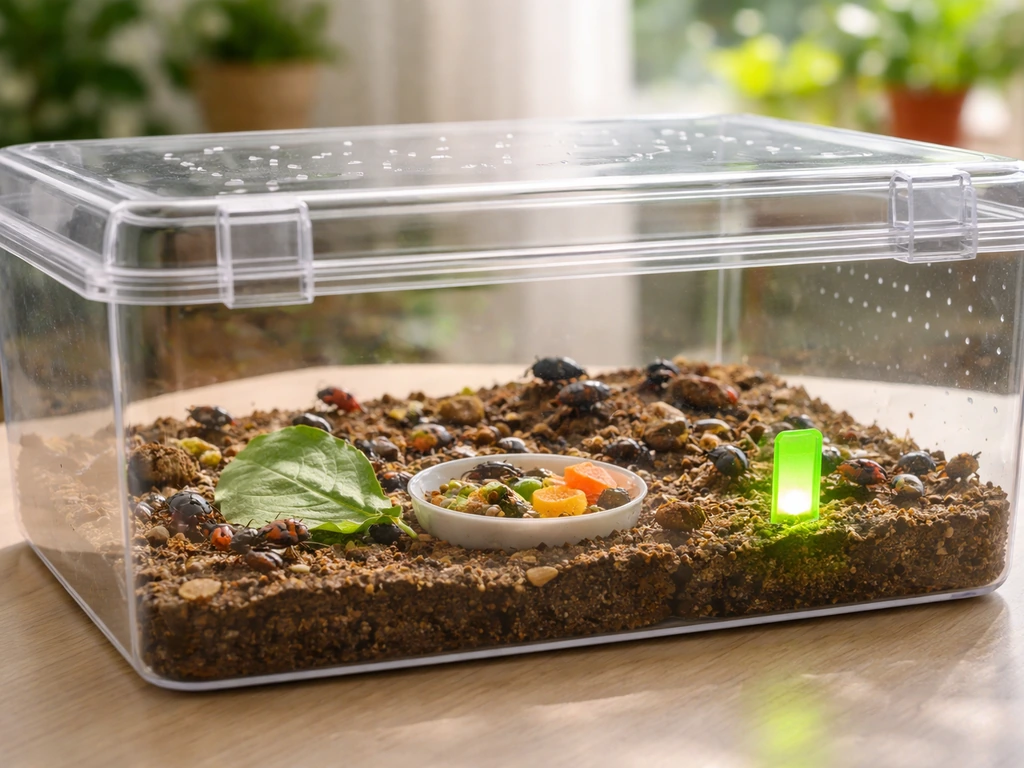
Bugs are pets, and like all pets in Grow A Garden, they need to be fed and kept active to do their jobs. A bug that hasn't been fed will stop performing its passive, and in some cases it won't trigger effects at all. This is the most overlooked failure point for players who hatch a great bug and then wonder why nothing is happening.
For housing, the Bug Hut is the relevant structure for bug-type pets. Having the right housing in place isn't optional if you want your bugs performing consistently. Make sure you've built and upgraded your housing before you start running serious egg cycles, not after. Running bugs without proper housing is a common inefficiency that costs you passive production time.
Positioning matters too. Passive effects like the Caterpillar's growth boost and the Praying Mantis's Zen Zone are described as affecting 'nearby' plants. Place your bugs physically close to the crops you want them to affect. If you have a dedicated leafy-plant section, the Caterpillar belongs there. The Praying Mantis should be stationed near your highest-value variant-target crops.
For the Giant Ant, proximity to your main harvest area maximizes duplicate triggers. Since the duplication fires at harvest time, you want the ant close to the crops you're harvesting most frequently. If you're also growing Hive Fruit, that crop has its own bug-adjacent mechanics worth factoring into your layout decisions.
Why your bugs won't grow: common mistakes and how to fix them
If your bug pipeline isn't working the way you expect, one of these is almost certainly the reason:
- Bug Egg not in stock: With only a ~7% chance to appear per shop refresh, the egg simply may not be available. Check back at the next refresh cycle rather than assuming you've unlocked access. This trips up a lot of new players who think they're missing a prerequisite.
- Not enough egg slots: If you only have one slot and you're trying to scale bug production, you're bottlenecked at one bug per 8 hours. Buy more ascension shop egg slot upgrades before anything else.
- Starved pets: A bug that hasn't been fed stops working. If your Dragonfly isn't turning fruits gold or your Giant Ant duplications seem to have stopped, check feeding status first. This is the most common cause of passive effects silently failing.
- Caterpillar not triggering: If the Leaf Lover passive seems inactive, your plants may not be classified as 'leafy' in the game's internal type system. Sunflowers, for example, have been a point of community confusion. Verify your specific crop types qualify before investing further in Caterpillar.
- Wrong positioning: Proximity-based passives require the pet to be physically near the target crops. If you've moved crops around or placed the bug far from the relevant plants, the passive may not reach. Reposition the bug closer to the intended crop area.
- Hatched eggs sitting idle: Every minute a hatched egg sits uncollected is a minute your next hatch cycle hasn't started. Collect immediately and re-queue your next egg to avoid gaps in your rotation.
- Chasing Dragonfly without a plan: At 1% hatch rate, expecting a Dragonfly within a few egg cycles is unrealistic. If you're running cycles specifically for it and burning Sheckles expecting fast results, you'll burn out. Either commit to a long-term grind or target the Exotic Bug Egg route for faster cycling.
Optimizing for the meta: tier choices, efficiency, and farm layout
For mid-to-hardcore players, the optimal bug setup right now is built around Giant Ant as your economic engine and Praying Mantis or Dragonfly as your variant/quality layer. One Giant Ant running on a high-volume crop area generates meaningful duplicate output that funds your ongoing egg purchases. Stack a second if you can get it. Then use remaining slots for whatever rare bug you're targeting.
Ascension shop upgrades should be sequenced as: egg slots first, then housing upgrades, then any farm capacity expansions that let you plant more crop volume for the Giant Ant to work with. The more crops you're harvesting per cycle, the more duplicate procs you get, the more Sheckles flow back in.
For players who are also growing Ladybugs or running other egg types alongside bugs, keep your Bug Eggs in dedicated slots rather than mixing randomly. It's easier to track cycle timing and feeding schedules when your bug roster is organized. The same logic applies if you're working with Hive Fruit mechanics, where your bug placement strategy may overlap with fruit-specific spawning conditions.
If the game ever introduces a 'Grow All' type mechanic for pets similar to the crop skip feature that advances 24 hours of growth instantly, that becomes the ultimate time-compression tool for cycling eggs fast. Keep an eye on mechanic updates, because that kind of system would reframe the entire egg-timing strategy overnight.
The short version of the meta: buy egg slots, queue Bug Eggs in parallel, collect fast, feed your bugs consistently, position them near the right crops, and prioritize Giant Ant for income and Dragonfly or Praying Mantis for variant plays. That's a setup that holds up from your first bug to your tenth.
FAQ
I hatched a good bug, but nothing is happening. What usually causes that?
No, only fed bugs keep triggering passives. If you hatch eggs and immediately place them, but forget the feeding routine afterward, they can stop working or fail to apply effects at harvest time, which looks like a “bad egg” problem.
How do I avoid running into feeding bottlenecks when I hatch multiple bugs at once?
Feeding and activation are required for bugs to apply their effects, so you should plan your feeding schedule around your egg cadence. If you run 3 to 5 egg cycles in parallel, make sure you can reliably feed all resulting bugs before harvest windows, otherwise duplicate and variant procs will underperform.
Do egg slots alone guarantee faster bug output, or do I need anything else first?
Egg slots affect output scaling, but they also impact planning. When you add more slots, run placement batches so hatch times overlap, and confirm you have enough housing capacity to activate every newly hatched bug immediately, otherwise the extra slots only speed up incubation, not production.
What’s the best way to manage the low chance that the Bug Egg is in stock?
Yes, do not rely on a single stock check. The standard Bug Egg has about a 7% chance to appear per refresh, so missed refreshes can delay your entire cycle plan. Keep a checklist of when you last checked, and pre-build the slot and housing infrastructure so you can buy immediately when it appears.
What should I do if eggs hatch while I’m not online to collect or activate them?
If a hatch finishes while you are away, the bug still needs to be housed and fed before you will see results. Avoid letting hatched bugs sit inactive for long gaps, because the hatch time you paid for is already “spent” and idling reduces the effective number of working cycles.
How close do bugs need to be to the crops to get their passive bonuses?
Positioning affects “nearby” targeting. If your Caterpillar or Praying Mantis effects require proximity, placing them across the farm from the intended crops can cause partial or missing effects even when your bugs are fed and housed.
Where should I place the Giant Ant, and does harvest timing change the placement strategy?
For the Giant Ant, the timing matters because duplication procs at harvest time. Place the ant close to the area you harvest most often, then structure planting so harvest frequency stays high for the ant’s target zone.
Should I build around Caterpillar by default, or are there crop-type caveats?
Yes. Caterpillar is common at 40%, but it may not help if you’re not growing crops in the category it boosts. Before building a full “leafy-only” plan, verify your crop types qualify for the Caterpillar effect so you do not waste slots and housing on mismatched passives.
Can I mix Bug Eggs with other egg types in the same slots, or should I keep them separate?
It’s usually best to keep a separate slot for each bug egg cycle you want to monitor, especially when mixing bug types or coordinating with other pet mechanics. Dedicated bug slots make it easier to track feeding and hatch batches, reducing missed activation windows.
When is it actually worth switching from standard Bug Eggs to the Exotic Bug Egg?
If you can obtain the Exotic Bug Egg, you should prioritize it once available because it dramatically reduces incubation from 8 hours to about 30 seconds. The practical tradeoff is that you need enough egg-slot throughput and a feeding cadence that can handle rapid micro-cycles without letting newly hatched bugs idle.
What’s the most cost-efficient sequencing if I’m starting to scale bug production?
Your ascension upgrade order is a bottleneck decision. If you buy a new single egg before upgrading egg slots, you cap parallel throughput and pay the 50,000,000 Sheckles cost less efficiently. Upgrading slots first typically increases effective Sheckles return per 8-hour cycle.
What’s a quick troubleshooting checklist if my bug passives are weaker than expected?
If your bug pipeline underperforms, the fastest diagnosis is to check in this order: bug feeding status, housing availability, nearby positioning, then crop harvest frequency for Giant Ant. If those are correct, re-check your crop layout against the variant-target design you’re aiming for (Praying Mantis or Dragonfly).
Next Article
Grow Lady Bugs in Grow A Garden: Get, Breed, and Grow
Step-by-step guide to grow lady bugs in Grow A Garden: unlock, breed fast, incubate right, and troubleshoot failures.